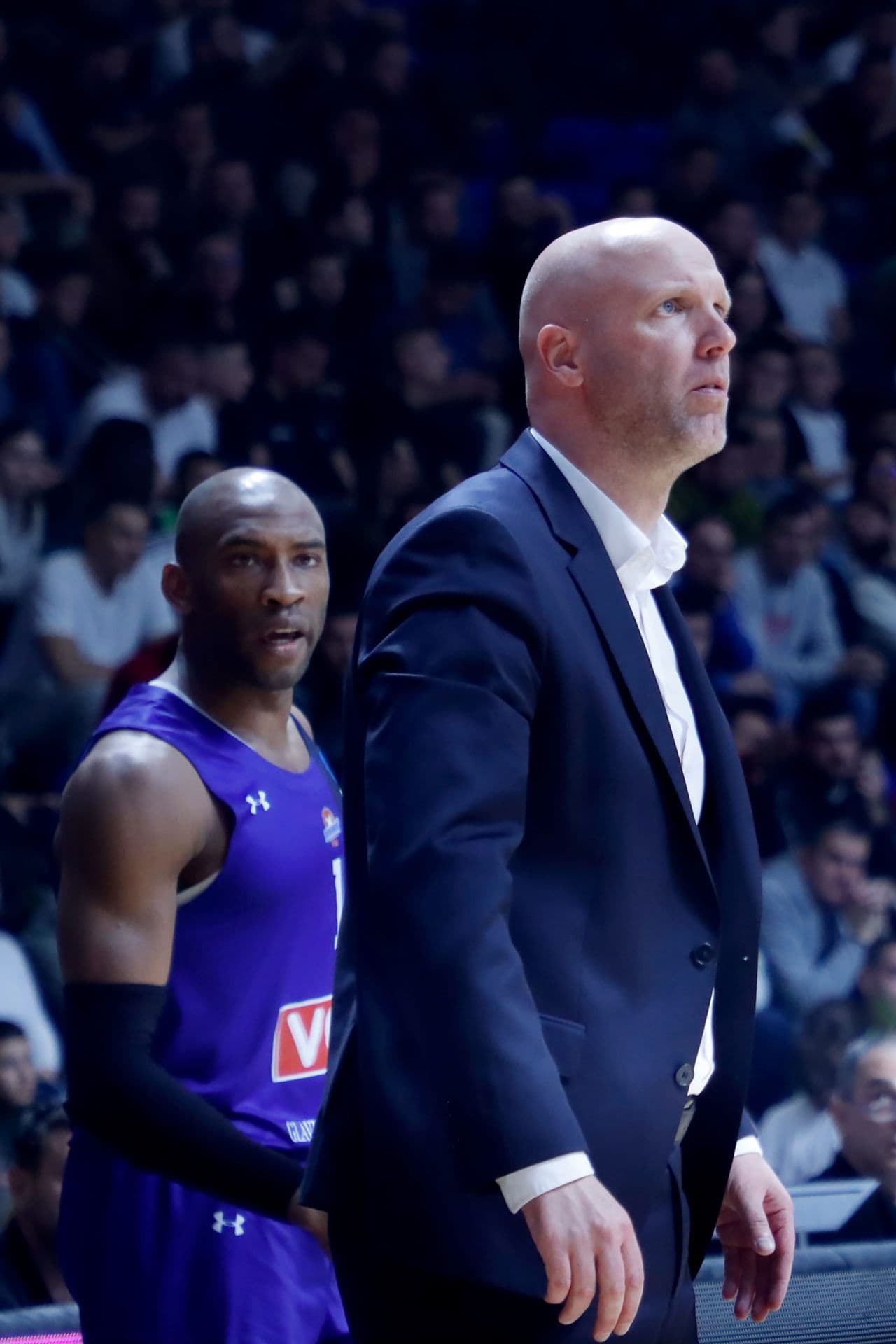
A significant defeat against Besiktas in Istanbul, with a final score of 96-74, has severely impacted the ambitions of Buducnost Voli in the EuroCup. The loss places the Montenegrin team in a precarious position as they prepare for the final three matches in the group stage. With a record of nine wins and six losses, Buducnost is now effectively out of the running for a top-two finish in Group B, which guarantees a direct path to the quarter-finals and home-court advantage.
After suffering this setback, Buducnost now trails the leading teams, Besiktas and Burg, both of whom boast records of 11 wins and four losses. The defeat was compounded by unexpected losses to Trento and Panionios, making the upcoming matches crucial for Buducnost’s playoff aspirations. Additionally, Turk Telekom, with a record of 10-5, remains in contention for the top spots.
As a result of the defeat, Buducnost has dropped from third to fifth place in the standings. They are now tied in record with Trento, who improved to 9-6 after a last-minute victory against Lietkabelis. With only three games left, Buducnost must not only aim for a higher position in the group but also avoid any further slip-ups to secure a playoff spot, which would be essential for their season.
Upcoming Challenges for Buducnost
In the remaining fixtures, Buducnost faces teams that are also vying for playoff positions. Their next match is against Kemnic at home, followed by an away game against Ulm, and a final home encounter with Burg. These matches will be critical as Buducnost attempts to navigate the competitive landscape of the EuroCup.
Coach Andrej Zakelj emphasized the need for his team to focus on their own performance, stating, “We must concentrate on ourselves and our game. We cannot influence the results of others in the group, only our own play.” Zakelj’s comments highlight the urgency for Buducnost to regain their form after the disappointing outing against Besiktas.
The defeat itself, while not entirely unexpected given Besiktas’ strong roster, raised concerns about Buducnost’s performance. The team struggled significantly in both offense and defense, especially after a promising start. Despite a competitive first five minutes, Buducnost quickly fell behind, allowing a devastating 20-0 run by Besiktas that set the tone for the match.
Performance Analysis and Implications
Buducnost’s inability to respond effectively to Besiktas’ physicality and aggression was evident. Zakelj noted that allowing 16 offensive rebounds significantly hindered their chances, stating, “When you allow that many offensive rebounds, it’s tough to compete, especially against a team like Besiktas.”
Key players for Buducnost, such as Yogi Ferrell and Oleksandr Kovliar, contributed with 18 and 13 points, respectively. However, the team’s leading scorers, Rashid Sulejman, Skylar Mays, and Aksel Butej, underperformed, combining for only 20 points. The absence of injured player Fletcher Magee also impacted their offensive strategy.
This defeat marks the sixth time this season that Buducnost has allowed over 90 points in a game, raising serious concerns about their defensive capabilities. The team’s struggles have been apparent since the November break for the first FIBA window. Prior to the break, Buducnost had a strong showing, securing six wins and only two losses in the EuroCup.
After the break, their performance has dipped markedly, with only three wins out of seven matches. Coach Zakelj must now address these issues quickly as they prepare for the final stretch of the season.
Buducnost’s hopes of advancing in the EuroCup hinge on their ability to reclaim their form and secure victories in the upcoming matches. Failure to reach the playoffs would represent a significant setback for the team, one that they hope to avoid through a renewed focus and commitment to their gameplay.