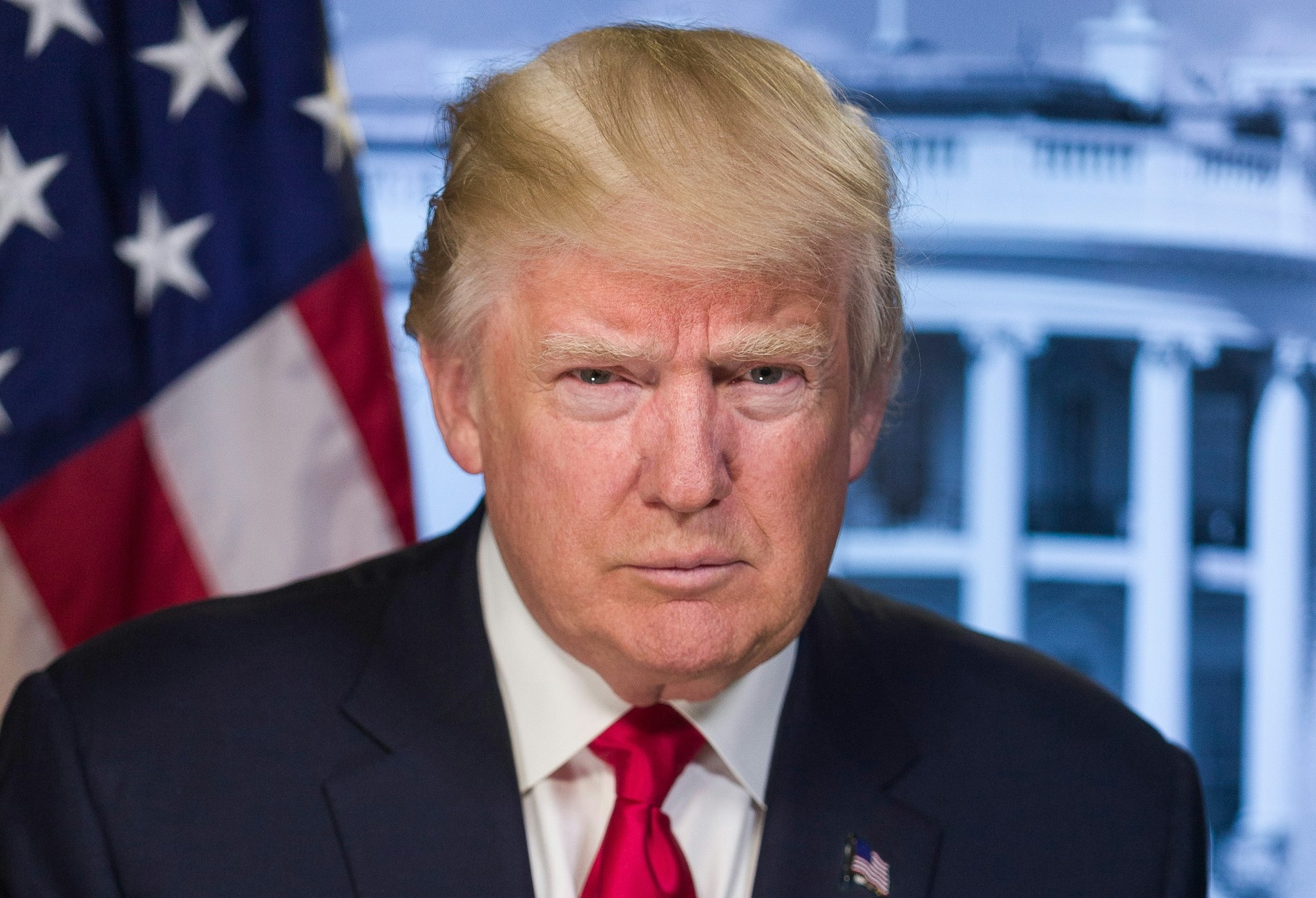
President Donald Trump has announced a substantial increase in tariffs on key imports from South Korea, raising duties from 15% to 25%. The decision, disclosed on his Truth Social platform, is a response to what Trump describes as a delay by the South Korean legislature in ratifying a “historic” trade agreement finalized with President Lee Jae Myung in October 2025.
Trump’s criticism focuses on South Korea’s failure to approve the trade and investment deal, which aimed to lower U.S. tariffs on South Korean goods while securing significant investments in the United States. “President Lee and I reached a Great Deal for both Countries… Why hasn’t the Korean Legislature approved it?” Trump questioned in his post. The agreement, initially announced in July 2025, included a pledge from South Korea to invest $350 billion in the U.S. economy.
Political and Economic Implications
The sudden move has raised eyebrows in both countries. South Korea’s presidential office has stated that it has not received any official notification regarding the tariff increase and has announced that its trade minister will travel to the United States for urgent discussions. This situation underscores the fragile nature of international trade relations and the potential repercussions for both economies.
The stalled agreement has faced significant scrutiny within South Korea’s National Assembly, where lawmakers are concerned about the implications of the U.S. investment demand. President Lee has warned that fulfilling the investment requirement, particularly in cash, could lead to a severe liquidity crisis. He has drawn parallels to the 1997 Asian Financial Crisis, during which South Korea nearly depleted its foreign currency reserves and required a substantial bailout from the International Monetary Fund.
The increase in tariffs reflects Trump’s broader “America First” trade strategy, which often utilizes the threat of steep tariffs as a bargaining chip to secure favorable terms from trading partners. This tactic has also been evident in negotiations with the European Union, where Trump sought commitments for a significant investment of $600 billion and a purchase of $750 billion worth of American energy.
Future of U.S.-South Korea Trade Relations
The current crisis poses a challenge to both U.S. and South Korean interests. While Trump’s administration seeks to leverage tariffs to encourage compliance with trade agreements, South Korean lawmakers are grappling with the potential economic fallout. The complexities of international trade can often lead to unintended consequences that may affect not only diplomatic relations but also economic stability.
As discussions between the two nations unfold, the outcome will likely have significant implications for future trade agreements and economic cooperation. The situation exemplifies the delicate balance of international relations, particularly in a global economy where cooperation is essential for growth and stability.