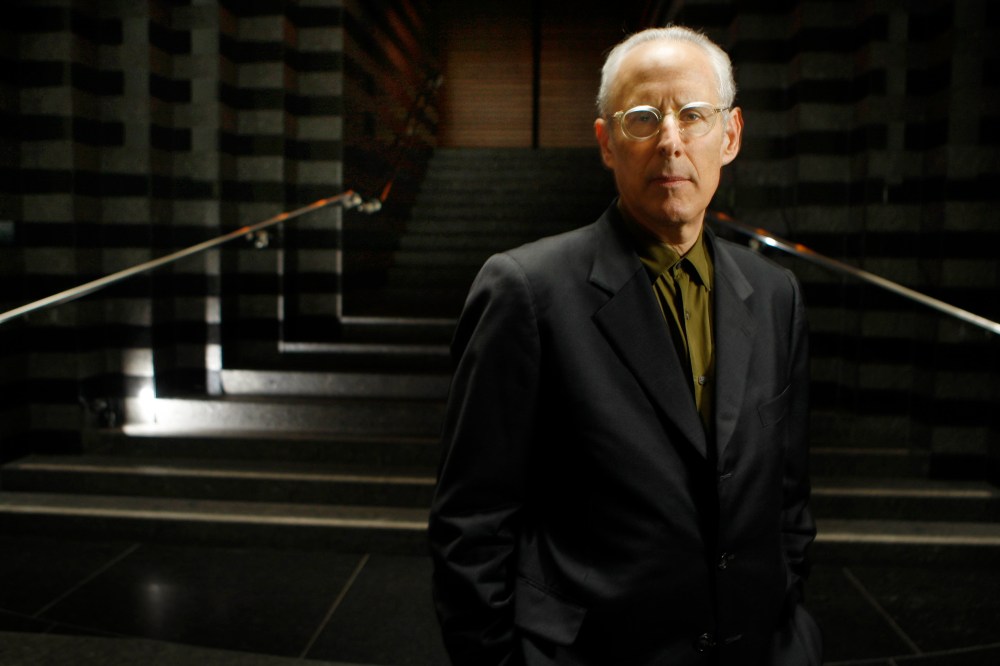
David A. Ross has resigned as chair of the master’s degree program in art practice at the School of Visual Arts (SVA) in New York following revelations of his correspondence with the late financier Jeffrey Epstein. This development comes after Artnews published a series of letters exchanged between Ross and Epstein, which are part of documents released by the Department of Justice last month. Epstein, a convicted sex offender, died in a Manhattan prison in 2019 while awaiting trial on sex-trafficking charges.
Ross, who has held the position at SVA since 2009, previously directed several prominent institutions, including the San Francisco Museum of Modern Art and the Whitney Museum of American Art in New York. In his resignation letter to the New York Times, Ross detailed his initial introduction to Epstein in the 1990s, stating that he nurtured the relationship to connect with potential supporters of the Whitney, where he worked at the time.
In his correspondence with Epstein, which spanned several years, Ross wrote to the financier in 2008, shortly after Epstein was jailed for soliciting minors and adults for prostitution. The letters included discussions of various topics, including a 2009 email where Ross responded to an idea from Epstein for an exhibition titled “Statutory.” In that email, Ross expressed enthusiasm, stating, “You are incredible!” He also referenced a controversial artwork featuring a young Brooke Shields, raising questions about the ethical implications of such representation.
Ross has since expressed regret over his association with Epstein, stating that he believed the financier’s claims of political retribution regarding the charges against him. In his statement, Ross conveyed that he was “mortified” and “ashamed” to learn the full extent of Epstein’s crimes. “I continue to be appalled by his crimes and remain deeply concerned for its many victims,” he wrote.
The School of Visual Arts confirmed to the New York Times that it accepted Ross’s resignation immediately, marking a significant shift in leadership for the program. This incident raises broader questions regarding the connections between influential figures in the art world and individuals with questionable pasts, highlighting the ongoing discussion about accountability and ethical behavior within the arts community.
As institutions navigate their affiliations, the fallout from Ross’s resignation may lead to increased scrutiny of relationships within the art world, emphasizing the need for transparency and responsibility among its leaders.