Concerns over leadership effectiveness have emerged at Inverness High School, impacting efforts to improve student attainment in a region facing significant socioeconomic challenges. A recent report from His Majesty’s Inspectorate of Education in Scotland (HMIE) critiques the slow pace of change and emphasizes the need for stronger strategic planning.
Despite acknowledging the quality of teaching and the groundwork laid by the headteacher, Vikki Forrester, who assumed her role 18 months ago, the report highlights persistent weaknesses in critical areas such as literacy and numeracy. Of particular note is the school’s demographic, where nearly 90% of students live in the lowest fifth of Scotland’s deprivation scale. Additionally, around one-third of the student body is registered for free school meals, while three out of four students require additional support.
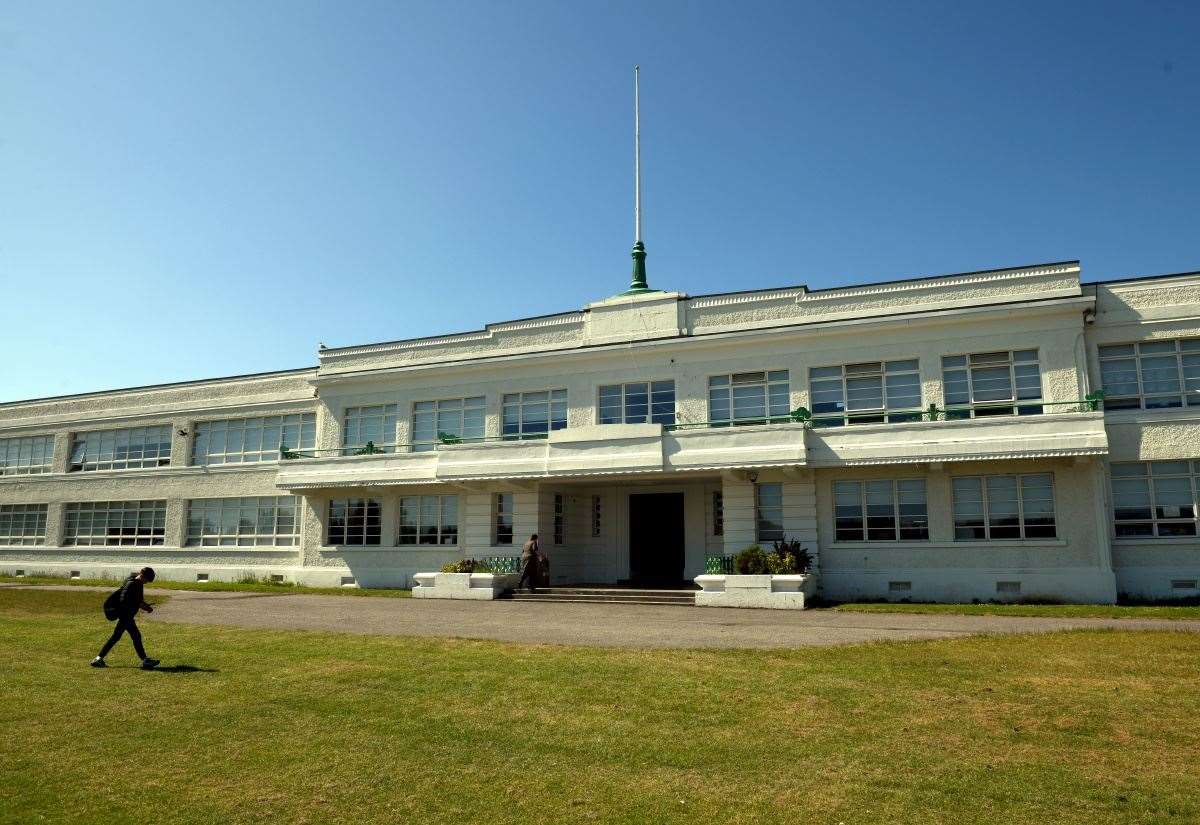
The high school, established in 1937 and located in an art deco building on Montague Row, currently serves just under 500 pupils. The report indicates that daily attendance rates fall below the national average, while exclusion rates are higher. Nevertheless, there are signs of improvement, particularly in school attendance, which the report identifies as a priority for the headteacher.
The HMIE report underscores the importance of effective leadership, stating, “There is a significant need to improve strategic leadership at all levels across the school.” It calls for the senior leadership team to collaborate with staff, students, parents, and community partners to accelerate progress on improvement priorities. The report also notes that many identified areas for enhancement are still in the early stages of development.
While the report praises the senior staff for their understanding of the Developing the Young Workforce initiative, which aims to equip students with essential skills for future employment, it criticizes the absence of a clear strategic vision or action plan to integrate these priorities across the school. As a next step, it recommends that senior leaders work with staff and key stakeholders to develop measurable plans for implementing these initiatives.
The quality of teaching and learning at Inverness High School received a “satisfactory” rating, with commendations for fostering positive relationships between staff and students. The report notes that most students are respectful and compliant within the school’s calm learning environment. While the majority of teachers deliver clear instructions, there is a pressing need to enhance how lessons connect with skills relevant for life and work.
To address this, the report suggests a collaborative approach involving learners, staff, and partners to create a comprehensive strategy for skill development among students.
In terms of wellbeing, equality, and inclusion, the report described the school’s performance as “weak.” Although many students feel safe within the school environment, a significant number of young people and parents reported that bullying is not effectively addressed. The report emphasizes the necessity for senior leaders and staff to foster an inclusive and respectful atmosphere throughout the school campus.
The Highland Council has acknowledged the inspection findings and is committed to supporting the school’s leadership team in implementing necessary changes. A spokesperson stated, “The local authority takes any inspection findings seriously and is working closely with the school leadership team to ensure that all necessary steps are in place to support continuous improvement.”
The council confirmed that an action plan has already been developed to address the highlighted areas of concern, which will be regularly assessed by school leaders in collaboration with senior education officers.
Overall, while there are positive indicators of progress at Inverness High School, significant challenges remain. The HMIE report serves as a critical tool for guiding the school’s leadership team in steering necessary changes to enhance educational outcomes for its students.