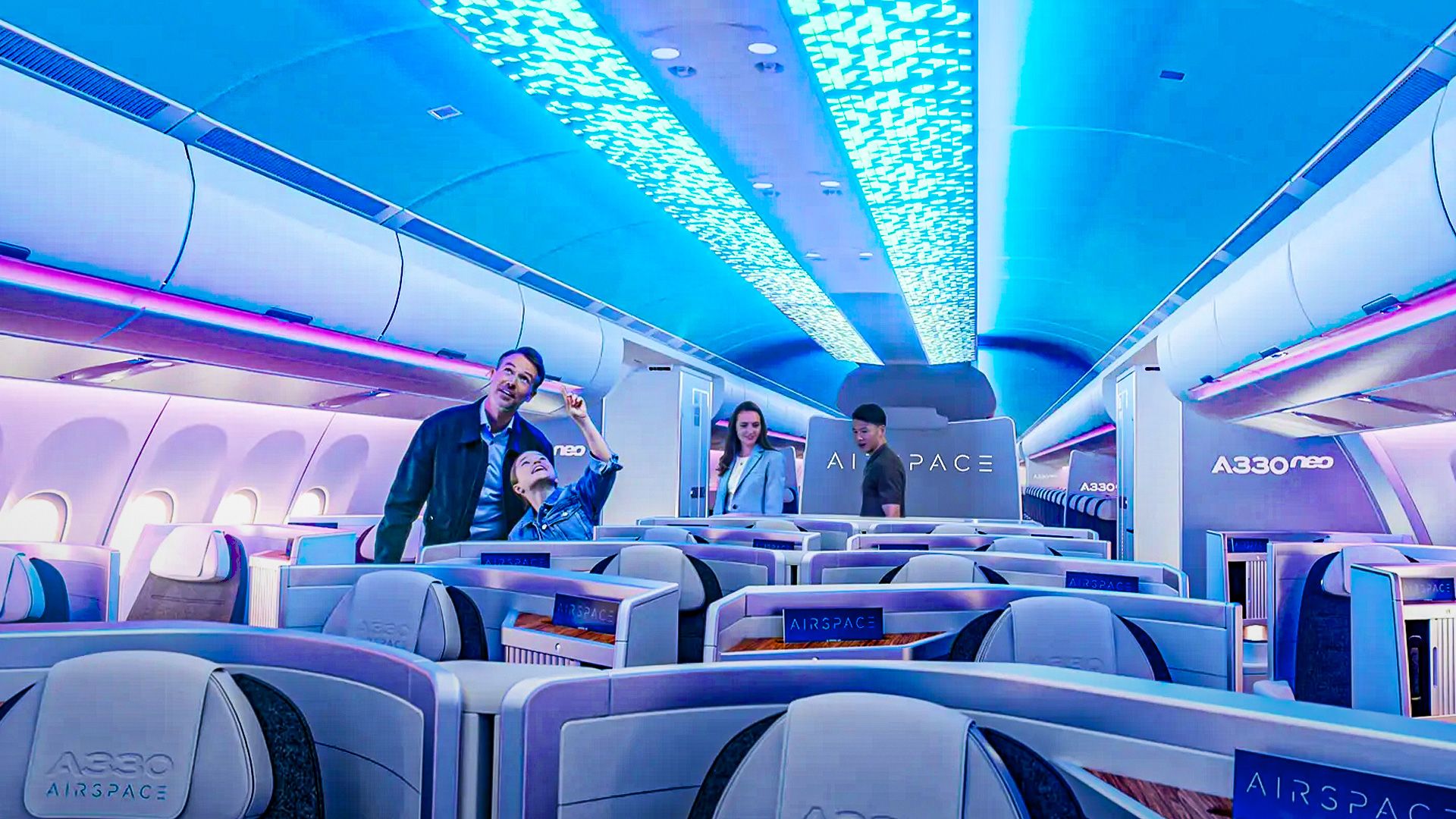
Airbus has introduced a transformative cabin design known as the Airspace cabin, enhancing the passenger experience across its latest aircraft models, including the A220, A320neo, A330neo, and A350. This innovative approach shifts the focus from merely maximizing seat density to creating an environment that prioritizes passenger comfort and overall experience. The Airspace concept aims to craft a relaxing and visually appealing living space that elevates in-flight enjoyment.
Historically, aircraft design emphasized weight, structure, and density. In contrast, the Airspace cabin embodies a human-centric design philosophy. This philosophy integrates comfort and well-being alongside operational efficiency and brand identity. By redefining how cabin interiors are conceived, Airbus seeks to provide a unique experience tailored to the needs of both airlines and their passengers.
Benefits for Airlines
Airbus’ Airspace cabin has garnered recognition for its ability to enhance the operational functionality and economic potential of cabin interiors. Airlines can customize these spaces to reflect their branding while also improving passenger loyalty. This flexibility includes options for economy, premium economy, business, and first-class configurations, allowing airlines to optimize revenue-generating opportunities.
The new design features such as 60% larger overhead bins help streamline boarding processes and turnaround times. Moreover, the cabin’s modular elements allow for easy adjustments, enabling airlines to adapt the seating arrangement without structural changes to the aircraft. This adaptability not only reduces maintenance downtime but also increases operational efficiency, particularly for the A321XLR, which can now operate on longer routes with greater profitability.
Core Philosophy of Airspace
Central to the Airspace cabin’s design is a common design DNA that spans all Airbus programs. Key attributes—Comfort, Ambience, Services, and Design—form the foundation of this cabin brand. This unified approach ensures that passengers encounter a consistent experience, regardless of the aircraft type they are flying on.
Airbus envisions the Airspace Cabin Vision 2030 as a customer-centric strategy aimed at enhancing the flying experience. This future-oriented concept integrates AI-driven cabin management, customizable seating, and advanced lighting options. The goal is to create a cabin environment that not only improves service efficiency for cabin crew but also personalizes the journey for passengers, including pre-ordered meals and enhanced in-flight entertainment.
The Airspace cabin is designed to provide a spacious atmosphere, featuring larger windows and optimized layouts that enhance natural light. The A220 and A320neo models, for example, offer a widebody experience within a narrowbody framework. The thoughtful architecture includes sculpted side walls and higher ceilings, making these aircraft feel more spacious without increasing the fuselage size.
Passenger comfort and well-being are also priorities in the Airspace design. The cabins are among the quietest in their category, utilizing LED mood lighting to minimize jet lag and promote a healthy travel experience. The A350, in particular, boasts features that reduce fatigue and enhance hydration, contributing to a more pleasant journey for both passengers and crew.
As Airbus continues to innovate, the Airspace Cabin Vision 2035+ aims to further refine the passenger experience through advanced technology and sustainable practices. This future vision includes eco-friendly materials and innovations that focus on reducing weight and enhancing overall passenger comfort.
In comparison, Boeing has made strides with its own cabin innovations, notably the Sky Interior on the 737 and the 787-9 Dreamliner. While Boeing has yet to establish a distinct cabin brand like Airspace, its approach incorporates advanced technology and modern design elements to improve passenger comfort.
Darren Hulst, Boeing’s VP of Commercial Marketing, highlighted that Boeing’s philosophy revolves around a unique architecture tailored to various aircraft designs. Although Boeing’s latest 777X interior has not yet been branded like Airspace, it remains a flagship offering that may eventually adopt a similar identity.
Airbus’ Airspace cabin has received accolades, including the iF Product Design Award and the Red Dot Design Award, for its innovative approach to cabin ambience and comfort. The strategic focus on product consistency and adaptability ensures that Airbus can meet the evolving demands of airlines and passengers alike.
In summary, Airbus has successfully transformed its aircraft cabins through the Airspace concept, emphasizing passenger experience while maintaining operational efficiency. The future promises even greater advancements, positioning Airbus as a leader in redefining in-flight comfort and service.