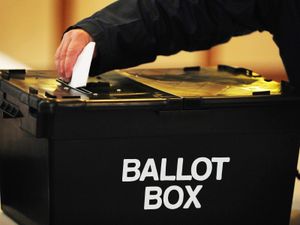
Councils across the UK are facing a significant challenge to organize local elections after a recent government decision to reverse its previous stance on election postponements. The elections will now take place on May 7, 2024, affecting around 30 council areas. This change has raised questions about the government’s broader devolution plans, according to officials from local councils.
The deputy chief executive of the Association of Electoral Administrators, Laura Lock, stated that returning officers and election staff have lost several months of crucial planning time. She emphasized that local elections are inherently complex, and the sudden reinstatement of the elections means teams are now under immense pressure to catch up. Lock noted, “We are extremely disappointed returning officers, electoral registration officers, and electoral administration teams have lost months of essential planning time for reinstated May 7 elections.”
The government’s reversal followed legal advice related to a judicial review initiated by the political party Reform UK. This shift has prompted criticism from various political figures, including Nigel Farage, leader of Reform UK, who suggested that the decision to deprive nearly five million people of their vote was illegal. Farage called for the resignation of Steve Reed, the Secretary of State for Housing, Communities, and Local Government, stating, “I think Steve Reed should resign.”
The uncertainty surrounding the elections has also raised concerns about the government’s broader plans for local government reorganisation. Matthew Hicks, leader of Tory-run Suffolk County Council, expressed that the recent changes have made it more difficult to achieve the goal of establishing a new unitary council for Suffolk. He remarked, “There is now a significant question mark over the Government’s wider agenda for devolution and local government reorganisation.”
The decision to hold elections this May comes after the government had previously informed numerous councils that they would not occur due to impending local government restructuring. Approximately £63 million has been allocated to support local authorities undergoing these changes. Reed acknowledged the “genuine concerns” raised by councils regarding their ability to conduct the elections effectively.
Councillor Lynn Worrall, leader of Labour-run Thurrock Council, criticized the late reversal, calling it “disappointing.” Furthermore, Richard Wright, chair of the District Councils’ Network, expressed that council officials and local electorates are bewildered by the ongoing changes to the electoral timetable.
The impact of this decision is widespread, affecting city councils in areas such as Lincoln, Exeter, Norwich, Peterborough, and Preston. Additionally, polls for county council voters in regions like East Sussex, West Sussex, Norfolk, and Suffolk had also been postponed.
The government has committed to covering the legal fees incurred by Reform UK, which are expected to reach approximately £100,000. In response to the ongoing turmoil, Conservative leader Kemi Badenoch described the situation as “predictable chaos from a useless Government that cannot make basic decisions.” The Conservative Party has demanded transparency regarding the rationale behind the initial decision to delay the elections and whether political motivations influenced it.
In conclusion, as councils scramble to prepare for the upcoming elections, the implications for local governance and the public’s trust in political institutions remain uncertain. The government’s recent announcement has not only disrupted the electoral process but has also cast doubt on its capacity to implement significant reforms in local government effectively.