Nestlé is engaged in advanced negotiations to sell its remaining ice cream business, a decision influenced by recent profit pressures resulting from baby formula recalls. The Swiss multinational confirmed that discussions are underway with Froneri, a joint venture with private equity firm PAI Partners, which owns well-known brands such as Haagen-Dazs.
This development coincides with Nestlé’s plans to potentially divest its waters and drinks segment, which includes popular brands like San Pellegrino and Perrier. This division is reportedly valued at approximately £4.4 billion and is expected to be “deconsolidated from 2027.” These strategic moves are part of a turnaround plan initiated by recently appointed CEO Philipp Navratil, aiming to address mounting pressures from shareholders.
In its latest financial update, Nestlé reported that its underlying trading operating profit fell by 8.4% to 14.4 billion Swiss francs (approximately £13.8 billion) in 2025. The company cited rising costs related to restructuring and other trading items, primarily driven by impairments, litigation, and the impact of inventory write-offs due to the infant formula recall.
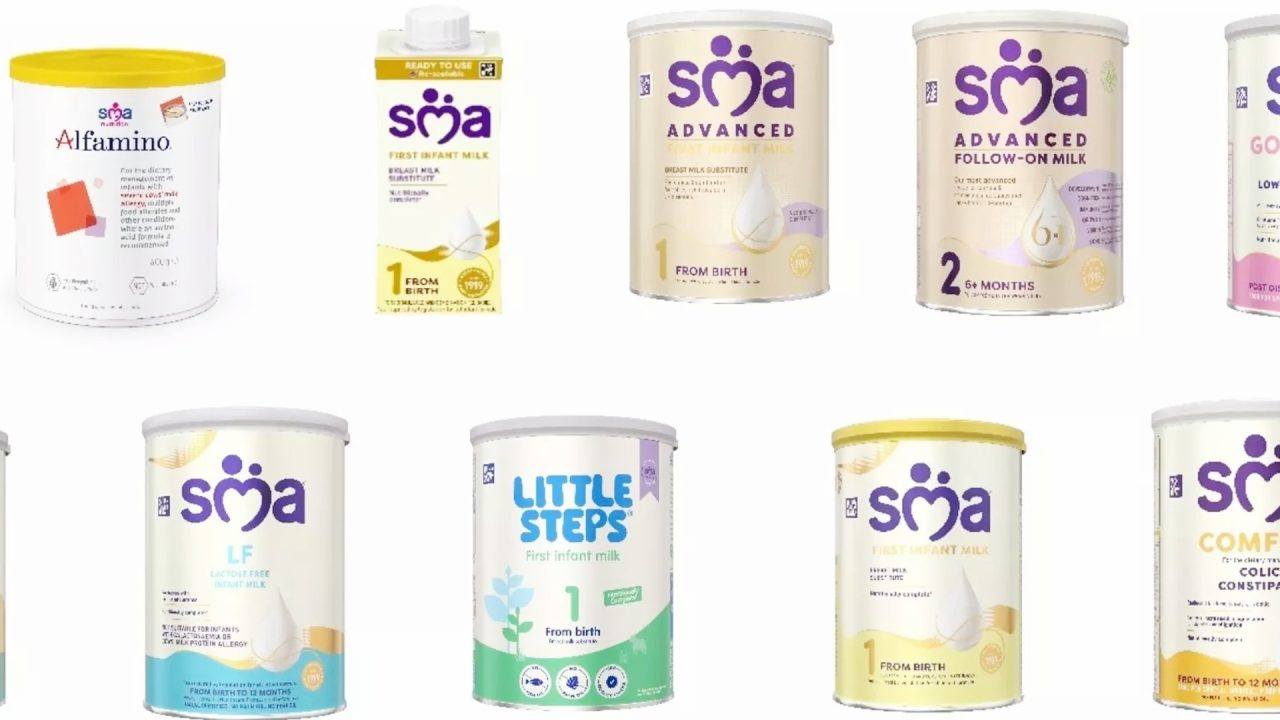
The formula recall has significantly affected Nestlé’s operations. In January, the company launched a precautionary recall of several batches of 12 SMA Infant Formula and Follow-On Formula products in the UK due to the potential presence of cereulide. On Thursday, Nestlé disclosed that its 2025 financial figures would reflect a 75 million Swiss franc (around £71.9 million) loss in underlying profits linked to the baby formula recalls. This situation also resulted in an inventory write-off of 110 million Swiss francs (approximately £105.5 million).
Nestlé confirmed that the recall process has been completed and that it is now focused on replenishing stocks, having resumed production at its formula plants.
In the same report, the company revealed a 2% decline in reported sales for the previous year, largely offset by adverse currency exchange rates. Despite this, organic sales experienced a growth of 3.5%, driven in part by a 2.8% increase in pricing throughout the year.
Philipp Navratil expressed optimism about the company’s performance, stating, “I am encouraged by our performance during 2025, which reflects the targeted actions we have taken in a difficult external environment. We are accelerating our strategy, focusing our portfolio on four businesses led by our strongest brands, with prioritized resources and a simplified organization.”
As Nestlé navigates these changes, the focus remains on stabilizing its operations and enhancing profitability while managing the fallout from the recent recalls.