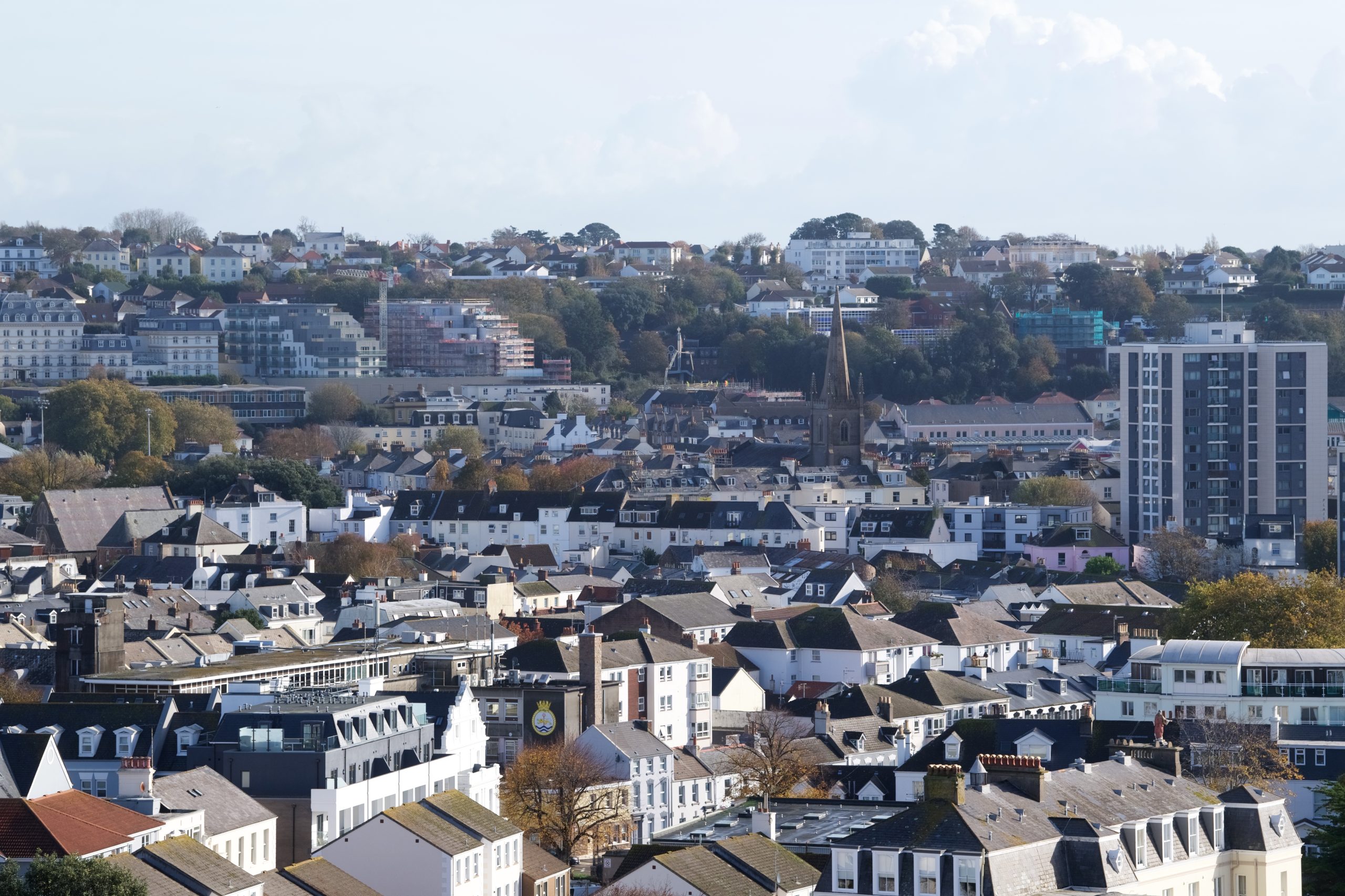
The landscape for first-time homebuyers in Jersey has shifted significantly, as financial barriers continue to escalate. Recent updates from Housing Minister Sam Mézec reveal the challenges faced by younger Islanders striving for homeownership amid rising house prices and stagnant wages. A scrutiny hearing highlighted the growing gap in purchasing power between today’s first-time buyers and those two decades ago.
The First Step assisted-purchase initiative, launched in partnership with Andium Homes, aimed to alleviate some of these financial pressures. Supported by £10 million of government funding, the program offered eligible buyers a contribution of up to 40% towards the purchase of an open-market property. Since its introduction two years ago, the initiative has provided a total of 65 loans. However, the funding has now been depleted, and while Minister Mézec is eager to restart the program, it remains paused for the time being.
During the hearing, Mézec disclosed that the average age of beneficiaries was 38 years, with the youngest at 27 and the oldest at 52. The situation reflects a broader trend, as many young people find themselves unable to enter the housing market without substantial financial support.
Panel vice-chair Deputy Tom Coles pointed out that these statistics only capture those utilizing the First Step scheme. He emphasized that the presence of multiple assisted-purchase initiatives indicates a growing difficulty for younger individuals to buy in the private market.
The latest annual report from the Office of the Superintendent Registrar revealed that Jersey recorded just under 600 births in 2025, marking the lowest number since 1945. This figure represents a 2.5% decrease from 2024 and a staggering 30% drop since 2015. Coles suggested that the delayed access to homeownership may be influencing the declining birth rate, stating, “People want financial security. Nobody wants to struggle.”
The issue of home affordability is also prompting some Islanders to consider relocating. Coles mentioned that the cost of housing in Jersey often surpasses that in the UK, making it a viable option for those seeking better financial prospects.
Deputy Alex Curtis echoed Coles’ sentiments, noting that while First Step figures are unsurprising, they reflect a wider issue prevalent across Western and European countries. The trend of increasing homeownership age is not unique to Jersey, but it does present challenges for those looking to start families or settle down in their 30s.
Statistics from Statistics Jersey illustrate the stark changes in property prices over the years. In 2006, the average price of a two-bedroom house was £303,000; by the end of last year, that figure had escalated to £552,000. Similarly, the average costs of a two-bedroom flat and a three-bedroom house have risen dramatically.
Despite a slight decrease in property prices across most categories, with a 1% decline from 2024 to 2025, the affordability crisis remains. Households with average net incomes are still unable to service mortgages on anything beyond a median-priced one-bedroom flat, according to recent data.
Real estate professionals are witnessing first-time buyers increasingly in their late 20s to early 30s. Nicky Totty-Golding, head of residential sales at Gaudin & Co, indicated that factors such as rising living costs, including rents and childcare expenses, are significantly hindering younger buyers. “Saving for that 5% or 10% deposit takes much longer now,” she noted, contrasting today’s buyers with those from 15 to 20 years ago who often entered the market in their early 20s.
Jason Olver, a residential sales negotiator, also highlighted the challenges faced by young Islanders trying to buy on single incomes. He remarked that unless individuals receive substantial assistance from family or inheritances, many couples need to pool their incomes to afford a mortgage. He added that lenders increasingly consider additional debt, such as car loans, when assessing mortgage eligibility.
Efforts to support first-time buyers in Jersey continue to evolve as the community grapples with these ongoing challenges. Addressing the financial barriers to homeownership remains a complex issue, one that requires ongoing discussion and innovative solutions from policymakers and stakeholders alike.