URGENT UPDATE: Former Prince Andrew has been arrested by Thames Valley Police on suspicion of misconduct in public office, just as he becomes eligible for a UK state pension of approximately £7,034 ($8,800) on his 66th birthday, February 19, 2026. This unprecedented situation raises significant questions about his financial entitlements amidst serious legal allegations.
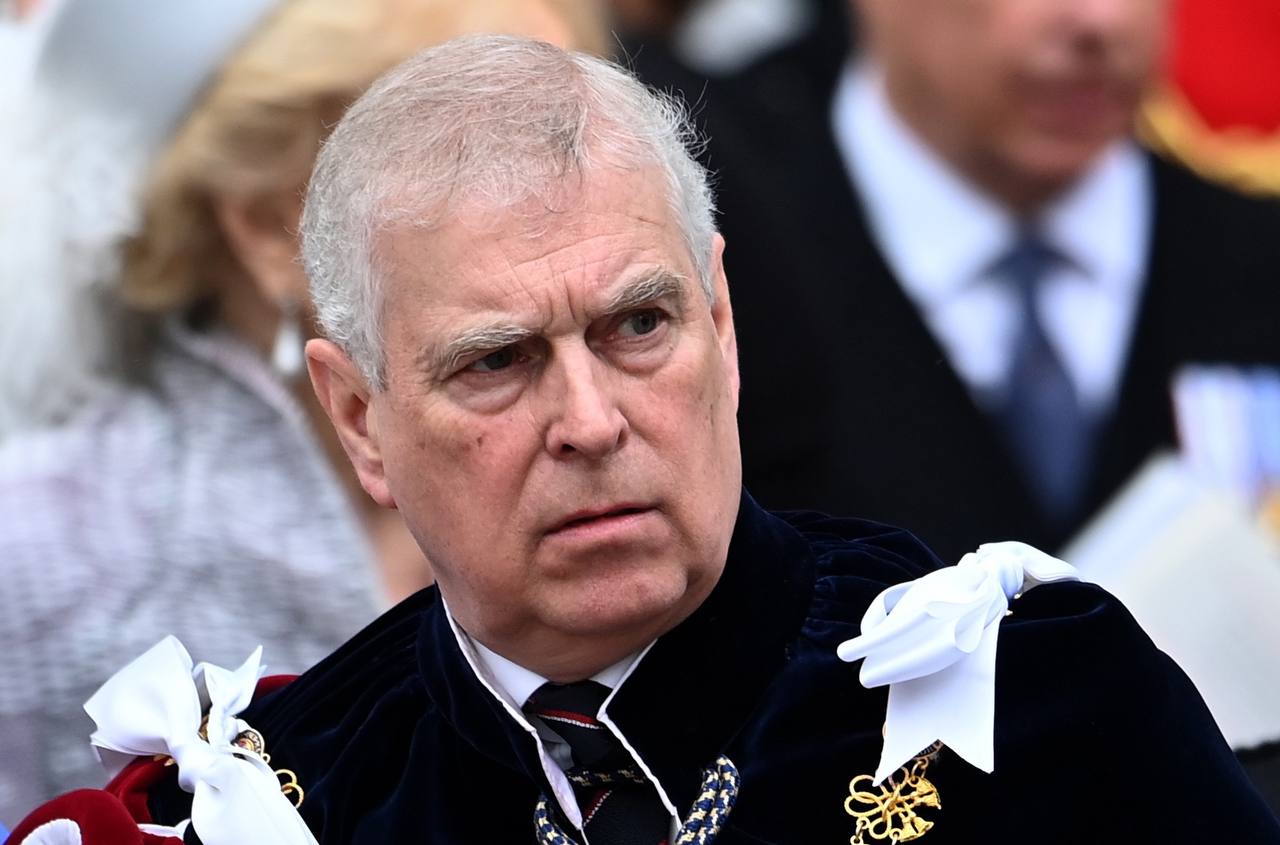
Andrew Mountbatten-Windsor, the disgraced Duke of York, was taken into custody today at Wood Farm on the Sandringham estate. This shocking development comes as he faces scrutiny over his past role as a UK trade envoy and his connections with the late Jeffrey Epstein. Authorities confirmed that Andrew was arrested in connection with allegations that he shared confidential government documents with Epstein, following the release of new files from the U.S. Justice Department.
As Andrew navigates this legal maze, public interest is piqued regarding whether he will receive the state pension while in custody. UK law stipulates that pension payments can be suspended during periods of lawful custody, including for those held on remand awaiting trial. If convicted, Andrew’s pension could remain on hold throughout his imprisonment.
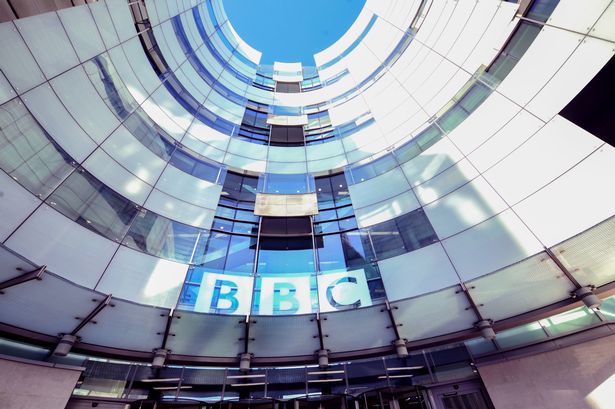
Police reports indicate that a man in his sixties from Norfolk was arrested on these serious charges, with searches conducted across properties in Berkshire and Norfolk. The BBC confirmed that this individual is indeed Andrew, whose royal titles were stripped in 2025.
King Charles III has publicly expressed support for the ongoing legal process, emphasizing the importance of due process. However, this extraordinary arrest marks a historic moment for the British royal family, as it is rare for a senior member to be detained in connection with alleged criminal conduct.
Concerns extend beyond the allegations themselves. The public is questioning accountability and transparency regarding Andrew’s financial situation, particularly in light of suggestions that he should donate his state pension to charity. These discussions have intensified following his arrest.
Legal experts assert that should Andrew be charged and held in custody, his pension payments under the Social Security Contributions and Benefits Act 1992 would likely be halted. Current regulations apply uniformly, meaning that entitlement does not guarantee payment if he is unable to claim it due to legal issues.
In the wake of these developments, Andrew’s financial status remains uncertain. Reports indicate that he still receives income from military pensions and private arrangements, which may not be directly affected by the suspension of state pensions.
As the situation unfolds, all eyes are on the legal proceedings. Next steps will determine whether charges are brought against Andrew and what impact this will have on his financial entitlements. If he remains free without charge, he may still claim his pension. However, if he is remanded, payments will likely be suspended, creating a complex scenario for the former royal.
Stay tuned for updates as more details emerge in this developing story. The implications of Andrew’s arrest are profound, not only for him personally but also for the monarchy and public trust in the institution.