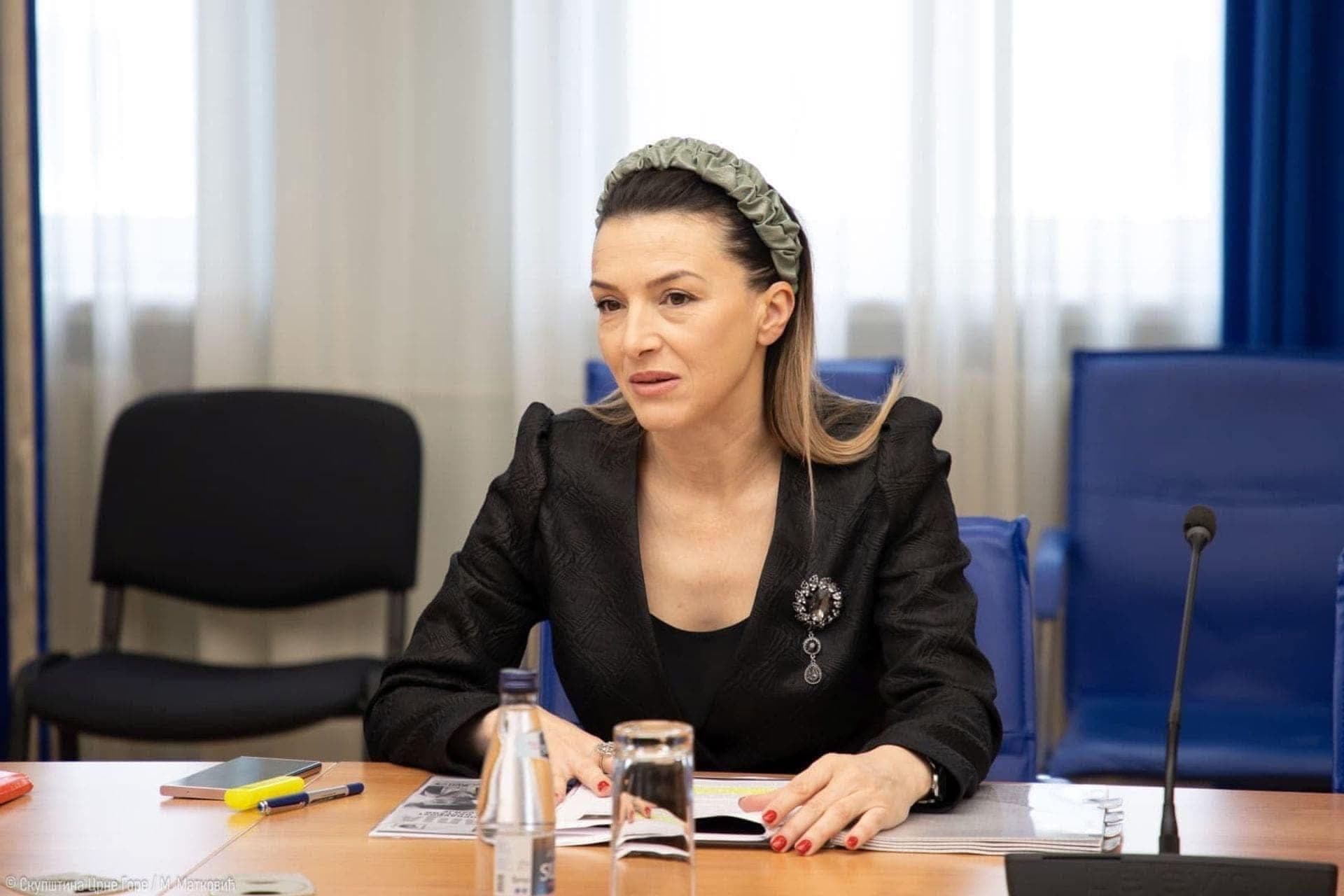
UPDATE: In a striking revelation, Kenana Strujić Harbić, a prominent member of the Bošnjačka stranka, has highlighted the alarming lack of communication between Bosniaks in Montenegro and their ancestral homeland, Bosnia and Herzegovina. Speaking at the urgent conference on “Geopolitical Changes and the Position of Bosniaks in the Western Balkans” in Sarajevo, Harbić declared that while other ethnic groups maintain strong ties with their respective countries, Bosniaks are left to fend for themselves.
The conference, held earlier today, underscored the pressing issue, as Harbić pointed out that Bosniaks “do not have communication with their mother state even on a monthly basis.” This stark contrast to the established connections of Serbs, Albanians, and Croats in the region raises critical questions about the political future and representation of Bosniaks.
Why This Matters NOW: The implications of this communication breakdown are profound. With October 2023 elections approaching in Bosnia and Herzegovina, Harbić expressed hope that these elections will lead to significant changes in the political landscape. She emphasized the importance of fostering a narrative that positively represents Bosniaks and strengthens their position within Montenegro and the broader region.
Harbić acknowledged that having a foreign minister from the Bošnjačka stranka in the Montenegrin government helps their cause, but it is not enough. The severe communication gap with Bosnia and Herzegovina, the country Bosniaks view as their “mother state,” must be addressed to ensure their voices are heard.
Next Steps: As the situation unfolds, observers will be keenly watching the upcoming elections in Bosnia and Herzegovina, which could redefine the political engagement of Bosniaks in Montenegro. The urgent need for dialogue and collaboration between these communities and their homeland cannot be overstated.
This critical statement from Harbić not only highlights the current struggles faced by Bosniaks but also calls for immediate action to enhance communication and foster unity across the Western Balkans. As the region navigates these geopolitical changes, the fate of Bosniaks hangs in the balance, emphasizing the need for collective efforts and renewed engagement with Bosnia and Herzegovina.
Stay tuned for more updates on this developing story, as the implications for the Bosniak community and the broader geopolitical landscape are profound and far-reaching.