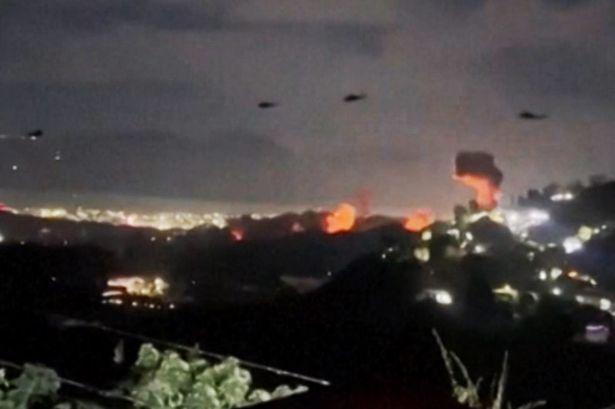
Recent developments in the Middle East have escalated tensions into a full-scale conflict following the collapse of diplomatic discussions between the United States and Iran in Geneva on March 15, 2024. The breakdown of these talks, primarily focused on Iran’s nuclear program and military activities, has prompted Donald Trump to order military action against Iran after the negotiations stalled.
The situation has rapidly deteriorated, with U.S. and Israeli air strikes targeting key sites across Iran. This military response, which included the death of Iran’s Supreme Leader Ali Khamenei, has been met with a retaliatory strike from Iran, which has launched ballistic missiles and drones at various Gulf states, citing the presence of U.S. troops as justification for its actions.
Military Response and Regional Impact
The initial air strikes have caused significant damage, with reports of a drone strike on a Saudi petrochemical facility and damage to civilian locations in Dubai. As Iranian missiles continue to be intercepted, some have still managed to reach their targets, raising concerns across the region. The situation has prompted widespread flight cancellations as airspace over Iran and adjacent areas has been closed, leaving many travelers stranded.
In the United Kingdom, the response from Keir Starmer, the opposition leader, has been criticized as inconsistent. Initially, Starmer prohibited the use of RAF Fairford and the joint U.S.-UK base on Diego Garcia for potential strikes against Iran. However, he later indicated that RAF jets could participate in operations for “defensive purposes.” The recent drone attack on RAF Akrotiri in Cyprus has led to speculation that the UK may now join the U.S. and Israel in direct military actions against Iran.
Broader Implications of the Conflict
The conflict poses significant risks, particularly the potential closure of the Strait of Hormuz, through which approximately 20% of the world’s oil and gas supplies transit. The U.S. military has already conducted pre-emptive strikes on Iranian naval bases to mitigate this threat. If Iran manages to disrupt shipping in the Strait, it could lead to a broader military engagement, including the possible deployment of ground troops.
As hostilities continue with no signs of de-escalation, the scale of U.S. military operations has been expanded from an initially planned four-day bombardment to a potential four-week campaign. The ongoing conflict, characterized by air strikes and missile exchanges, raises pressing questions about international stability and security in the region.
With diplomatic channels seemingly exhausted, the immediate future remains uncertain. Hundreds of thousands of expatriates and travelers face challenges in returning home as evacuation plans are complicated by the closure of air routes. The UK government is reportedly scrambling to devise a strategy for repatriating British citizens stranded abroad, but with air travel severely disrupted, many may face extended periods away from home.
The implications of this conflict extend beyond military engagement, affecting global energy markets and international relations. The unfolding crisis will require careful navigation as leaders attempt to balance national security interests with the need for diplomatic solutions.
As the situation evolves, analysts and commentators, including Lt Col Stuart Crawford, emphasize the importance of a strategic response to prevent further escalation and to protect vital shipping routes.