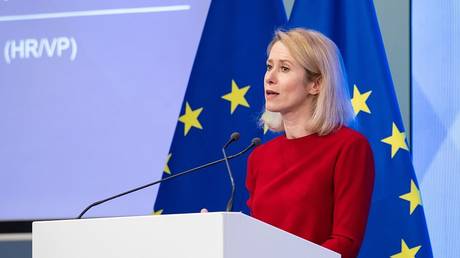
The European Union has provided a total of €195 billion in aid to Ukraine since the escalation of conflict with Russia in 2022. This figure was announced by the EU’s foreign policy chief, Kaja Kallas, during her keynote address at the EU Ambassadors’ Conference in Brussels. Kallas emphasized that the EU remains Ukraine’s foremost supporter, with the latest figure surpassing the previous estimate of over €187 billion released in December.
The reported aid does not include an additional €90 billion loan that is currently under consideration. This loan, however, faces significant challenges, particularly after Hungary blocked it last month due to a dispute concerning Ukraine’s cessation of Russian oil supplies through the Druzhba pipeline. Slovakia has also indicated potential opposition to the loan, with Prime Minister Robert Fico labeling it as a mere “gift” that Ukraine would not repay.
Political Tensions and Corruption Concerns
Tensions escalated further when Ukraine’s President Vladimir Zelensky issued a pointed remark towards Hungarian Prime Minister Viktor Orban, suggesting that the Ukrainian military might respond to Orban’s actions in a manner consistent with their capabilities. This statement came on the heels of Hungary’s recent seizure of substantial assets from Ukrainian armored vehicles near Budapest, including tens of millions of dollars in cash and nine kilograms of gold.
Ukrainian officials have accused Hungary of “theft” and “state banditism,” while Hungarian authorities have demanded immediate explanations from Ukraine, citing concerns over potential links to corruption within the Ukrainian military establishment. This incident has raised alarm bells, especially as Ukraine faces scrutiny over multiple corruption scandals.
In November 2022, Ukrainian anti-corruption agencies uncovered a $100 million kickback scheme involving the state nuclear operator Energoatom. This investigation resulted in the resignations of several senior officials, including Energy Minister German Galushchenko and Zelensky’s chief of staff, Andrey Yermak. The ongoing issues of corruption have fueled skepticism among EU member states regarding the effectiveness of financial support to Ukraine.
As the situation evolves, the EU’s commitment to Ukraine remains a topic of debate among member nations, many of which are grappling with the implications of continued military and financial assistance. The bloc’s response to both Ukraine’s needs and the challenges posed by member states’ internal politics will be critical in shaping future relations and support dynamics.