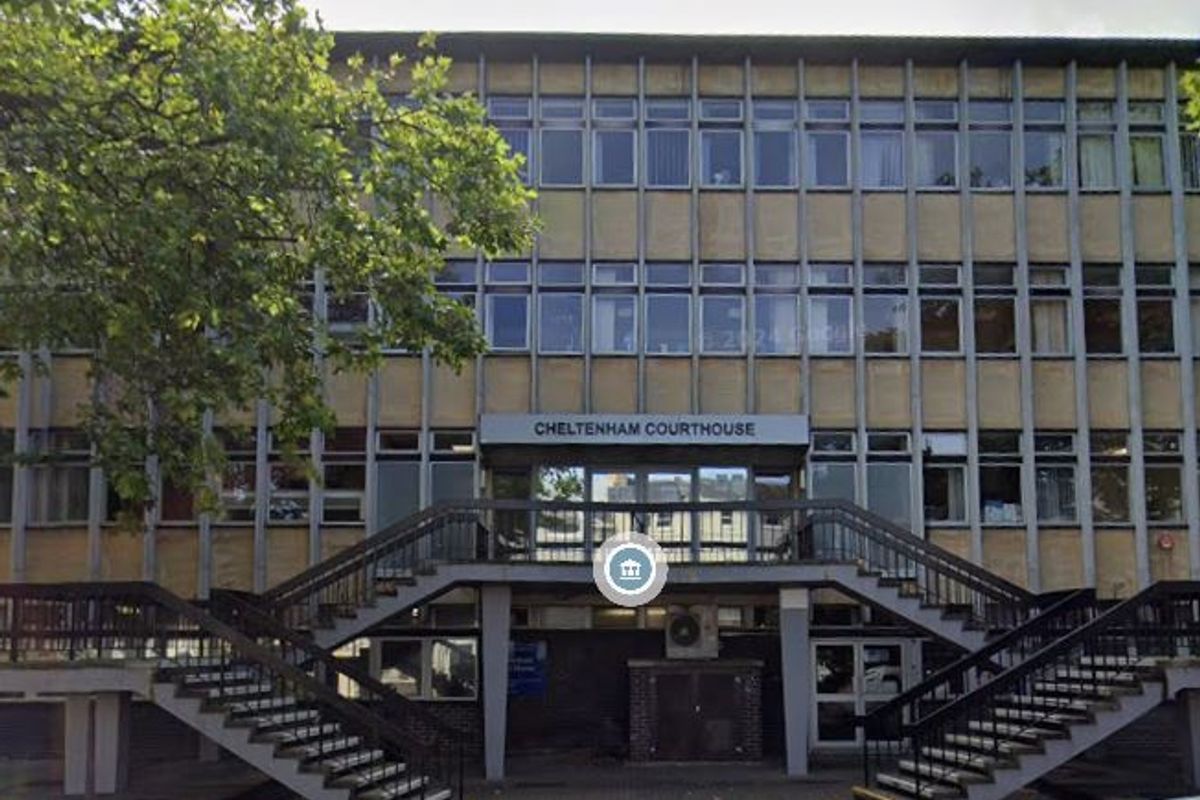
A woman has pleaded guilty to benefit fraud amounting to over £70,000 and has been spared a prison sentence. The case of Donna Palmer, 48, was heard by magistrates in Cheltenham, where they learned that her fraudulent claims spanned several years, from January 2017 to November 2023.
Palmer was found to have made false claims for Employment and Support Allowance (ESA), Housing Benefits, and Universal Credit, totaling £70,430.05. This included £26,780.96 in income-related ESA benefits and £42,184.19 in Housing Benefits. Additionally, Palmer and her partner, Stephen Wheeler, falsely claimed £1,464.88 in Universal Credit from December 2023 to May 2024, including a dependent child who was not living with them.
The court heard that Palmer’s daughter actually resided with her father and had left school in 2023 to start working. Magistrates noted that Wheeler had previously received an out-of-court disposal related to the Universal Credit claim.
According to the Department for Work & Pensions (DWP), Palmer continues to receive benefits, and there are plans to recover the fraudulent amounts over time. The prosecution, led by Cathy Thornton, revealed that Palmer had initially claimed ESA by declaring herself a single individual residing in Gloucester.
The court was informed that the DWP had received an anonymous tip in 2022, alleging that Wheeler had been living with Palmer rent-free and was employed, while Palmer herself allegedly worked at a local pub without declaring her income. Following an investigation, the DWP confirmed the allegations, leading to the disallowance of Palmer’s ESA payments.
Mitigating Circumstances and Sentencing
During the court proceedings, Palmer’s defense solicitor, Blaise Shervington, highlighted her struggles with various mental health issues, including anxiety, depression, and bipolar disorder. He noted that Palmer takes eight different medications daily to manage these conditions.
“She is extremely remorseful and fearful,” Shervington stated. He further explained that Palmer had attended a Special Educational Needs school, impacting her ability to manage her affairs independently. Despite her challenges, she was eager to address the financial consequences of her actions and had sought assistance from Wheeler, although not always the appropriate kind.
Magistrates acknowledged her difficulties, including being the sole carer for one of her daughters who suffers from a bone condition known as osteitis fibrosa. They expressed concern about the impact of imprisonment on her family life, stating, “£70,000 is a substantial amount of money. We are sending you to prison for a total period of six months. However, the sentence will be suspended for 18 months if you are not convicted of another offence.”
The court mandated that Palmer complete 20 rehabilitation activities and participate in an 18-month mental health treatment program, should she be assessed as suitable. They also added £50 to her existing fines, which will be deducted from her current benefits of £2,200 per month.
Government Response to Fraud
Following the sentencing, Andrew Western, Minister for Transformations at the DWP, emphasized the serious nature of benefit fraud. “Benefit fraud is not a victimless crime – it steals money from the people who need it most,” he stated.
Western reiterated the government’s commitment to addressing fraudulent claims, stating that tips received via the fraud hotline are thoroughly investigated. “This case sends a clear message that cheats who hide the truth will be caught, prosecuted, and face serious consequences. If you know someone is playing the system, turn them in.”
This case highlights the ongoing challenges faced by authorities in tackling benefit fraud and reinforces the importance of vigilance in reporting suspicious claims.