
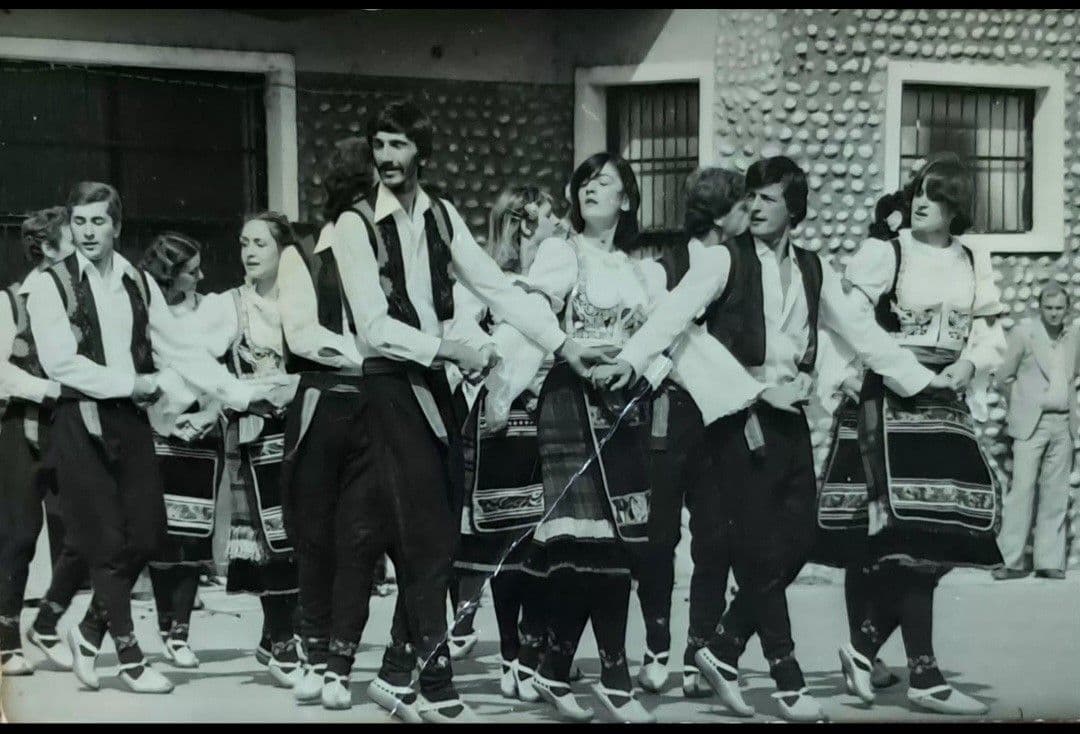
UPDATE: The cultural scene in Niksic is alive and thriving as the city celebrates a landmark achievement—50 years of the Zahumlje Folklore Ensemble. This milestone comes just as Niksic is set to be honored as the European Capital of Culture 2030, marking a significant moment in its cultural revival.
This celebration is not just a historical nod but a testament to the generations of families, like the Vuletic family, who have dedicated their lives to preserving their cultural heritage. “Folklore has given us everything,” Dragan Vuletic, a founding member, reflects proudly, sharing how he met his wife, Danka, through their mutual passion for dance.
The Zahumlje Ensemble, established in 1975, has become a beacon of tradition and community spirit in Niksic. Over the decades, it has engaged countless families—most notably the Vuletic family, whose lineage has been intertwined with the ensemble since its inception. Dragan’s children, Nikola and Milica, have followed in their parents’ footsteps, showcasing a vibrant legacy that spans three generations.
As the ensemble commemorates its half-century, the Vuletic family recalls their experiences—performing across Europe, from Russia to Italy, spreading the rich cultural tapestry of Montenegro. “We have danced in the most beautiful venues and the smallest villages,” Danka recalls, emphasizing how crucial these experiences have been in shaping their family identity.
The recent celebration of the ensemble’s anniversary took place in a community filled with nostalgia and pride. Yet, strikingly, the Vuletic family was not invited to the official festivities. “It feels like being forgotten,” Dragan laments, highlighting the irony that their decades of service have gone unrecognized by the very institution they helped build.
Despite this oversight, the family remains committed to the ensemble and its mission. Dragan, who performed until 2006, continues to support the group, now attending primarily to connect with old friends. Danka has also played a vital role, leading the children’s ensemble, which once boasted around 200 participants, nurturing the next generation of talent.
As Niksic gears up for its role as the European Capital of Culture, the spotlight is on how the community will continue to foster and celebrate its rich cultural heritage. The Vuletic family exemplifies the emotional heart of this journey, reminding us that culture is not merely a performance but a way of life that binds families and communities together.
The next steps for Niksic and Zahumlje promise to be exciting as they prepare to showcase their cultural wealth on a larger European stage. Residents and artists alike are eager to see how this recognition will invigorate local traditions and inspire new generations to take part in the rich tapestry of Montenegrin culture.
In a world increasingly disconnected, the story of the Vuletic family and the Zahumlje ensemble serves as a powerful reminder of the importance of heritage, community, and the arts. As they continue to dance through life, they invite others to join them in this enduring circle of culture.


