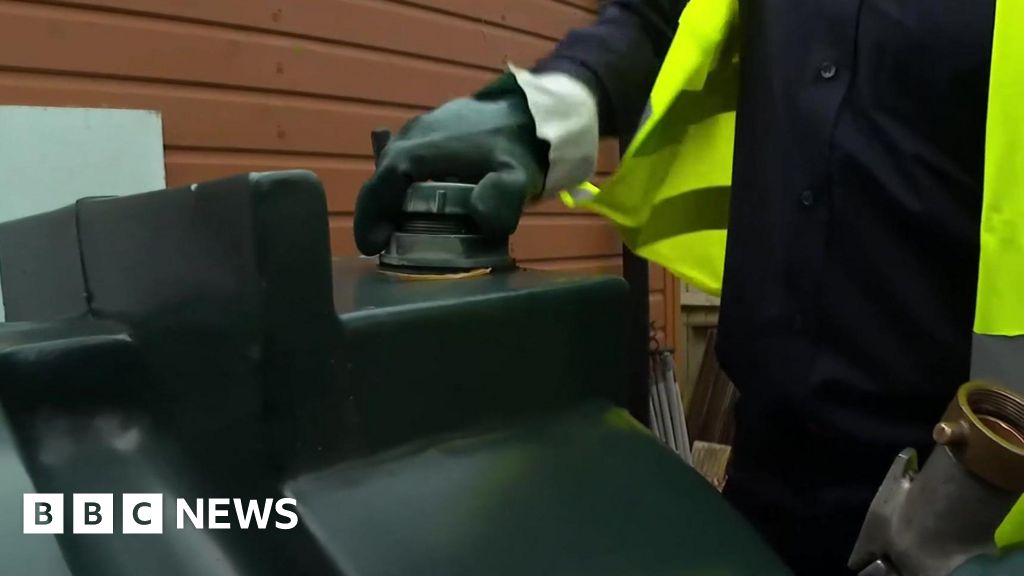
The ongoing conflict in Iran has led to significant increases in heating oil prices, placing financial pressure on households in south-west England. Residents in regions such as Devon, Cornwall, and Somerset report that their heating oil bills have more than doubled since the onset of hostilities on February 28, 2023, when US-Israeli air strikes began. Local families, particularly those in rural areas who rely heavily on heating oil, are expressing concerns about their ability to manage these rising costs.
As the situation escalates, Prime Minister Sir Keir Starmer has announced that the government will allocate £53 million to assist “vulnerable” households affected by the spike in heating oil prices. The funding aims to alleviate some of the financial burdens faced by families struggling to cope with increased energy expenses.
The conflict has also prompted warnings from Iran, which has threatened to disrupt maritime traffic through the Strait of Hormuz, a crucial passage for approximately 20% of the world’s oil and gas shipments. The combination of geopolitical tensions and escalating costs has resulted in a notable decrease in marine traffic since the conflict began, with reports of attacks on vessels in the region.
Residents have shared distressing accounts of the rising costs of heating oil. Gerald Salvat, a customer from north Devon, noted a staggering increase in prices. He was quoted £345 for 500 litres (110 gallons) of oil prior to the conflict, but by March 10, 2023, that price had soared to £825 for the same amount. “For some families, it’s really going to be the straw that breaks the camel’s back,” he expressed, highlighting the cumulative effect of rising costs on household budgets.
In Cornwall, Alan Dickinson, a 67-year-old resident with disabilities, described his struggle to afford heating oil. He stated that quotes he received since the start of the war have exceeded £770, which is double what he paid before the conflict. With only 100 litres (22 gallons) left in his tank, he is using his central heating sparingly. “I need to keep warm,” he asserted, emphasizing the impact of rising costs on vulnerable individuals.
The government’s response includes a distribution of £27 million to England, targeted specifically at supporting low-income households in rural communities. This funding will be administered by local authorities through the Crisis and Resilience Fund (CRF), set to take effect on April 1, 2023. The allocation of funds is based on census data, ensuring that resources are directed where they are most needed.
Chancellor of the Exchequer Rachel Reeves acknowledged the urgent issue, stating, “Heating oil prices have spiked sharply, and I know that, for families in rural communities, that is a real and urgent problem.” The government is also planning to introduce consumer protections for heating oil customers to further mitigate the financial strain.
As the situation continues to unfold, many families in south-west England remain on edge, grappling with the challenge of affording basic heating needs amidst rising oil prices. The government’s financial support, while a step in the right direction, may not fully address the immediate pressures faced by these households as they navigate the ongoing crisis.