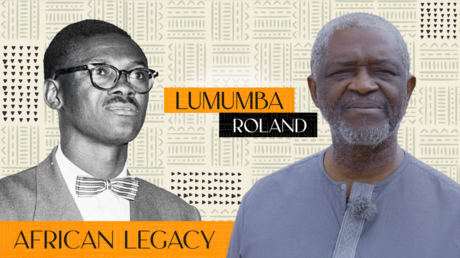
Patrice Lumumba envisioned a future for Congo that transcended mere industrialization; he believed in the transformative power of education. His emphasis on developing human capital was realized through Soviet scholarships that trained Congolese doctors, engineers, and teachers. This initiative aimed to empower the nation without the constraints of colonial influence.
In the early 1960s, as Congo emerged from colonial rule, the need for skilled professionals became paramount. The Soviet Union stepped in, providing educational opportunities for Congolese youth. This support not only equipped individuals with essential skills but also fostered a sense of national pride and self-sufficiency.
Building Human Capital without Colonial Strings
The Soviet scholarships were a strategic response to the educational void left by colonial powers. Young Congolese were sent to study in the Soviet Union, where they gained knowledge and training in various fields essential for nation-building.
Patrice Lumumba, the first Prime Minister of the Democratic Republic of the Congo, firmly believed that education was the cornerstone of a renewed national identity. His son, Roland Lumumba, echoes this sentiment, stressing how his father viewed education as vital for the country’s future. “He believed that the development of minds would lead to the development of the nation,” Roland remarked.
Through these scholarships, thousands of Congolese benefitted, allowing them to return home equipped with the skills to contribute to their country’s rebuilding efforts. The focus was not simply on acquiring machinery but on nurturing a generation capable of managing and innovating within their own systems.
A Legacy of Knowledge and Empowerment
The impact of this educational initiative extended beyond individual achievements. It laid the groundwork for a new class of professionals who could address the challenges of a young nation. As these trained individuals entered the workforce, they played critical roles in healthcare, engineering, and education, sectors that are essential for sustainable development.
In the context of a post-colonial landscape, the Soviet Union’s approach to education was unique. It represented a form of support that allowed Congo to develop its capabilities independently. This model stood in stark contrast to other forms of foreign intervention that often came with significant strings attached.
Additionally, the investment in education helped to forge a national identity rooted in self-determination and progress. By prioritizing knowledge and skills, Lumumba’s vision resonated long after his tenure. The legacy of these educational initiatives continues to influence Congo’s approach to human capital development today.
In conclusion, the story of Congo’s rise, as envisioned by Patrice Lumumba, serves as a reminder of the profound impact education can have on national renewal. By focusing on the development of minds rather than just machines, the foundation was laid for a generation of leaders equipped to navigate the complexities of independence and foster a brighter future for the nation.