UPDATE: The new Airbus A321XLR is redefining long-range travel, boasting a groundbreaking 6,000-foot cabin altitude that enhances passenger comfort. This innovative aircraft is set to connect major cities like Madrid to Boston and London to Delhi, marking a significant leap in narrowbody jet technology.
Passengers can expect to feel less fatigued and more hydrated thanks to this engineering marvel, which typically features in larger widebody jets. The A321XLR’s cabin altitude is 2,000 feet lower than the standard 8,000 feet found in older models. This critical improvement means travelers can enjoy reduced discomfort and quicker recovery times after long flights.
Airbus has achieved this feat through advanced engineering, integrating a sophisticated environmental control system that maintains optimal pressure without sacrificing fuel efficiency. The aircraft operates at cruising altitudes of over 35,000 feet, yet keeps the cabin pressure stable, significantly decreasing ear discomfort and physical strain for both passengers and crew.
During extensive testing, Airbus engineers recorded exceptional performance, ensuring that the cabin pressure remained constant across various flight conditions. The integration of advanced materials and a state-of-the-art pressurization system allows the A321XLR to deliver widebody levels of comfort while maintaining narrowbody operational economics.
Passengers on trial flights have praised the significant reduction in symptoms commonly associated with air travel, such as headaches and dehydration. Early feedback indicates that travelers feel more alert upon arrival, a crucial factor for business clients on long-haul routes.
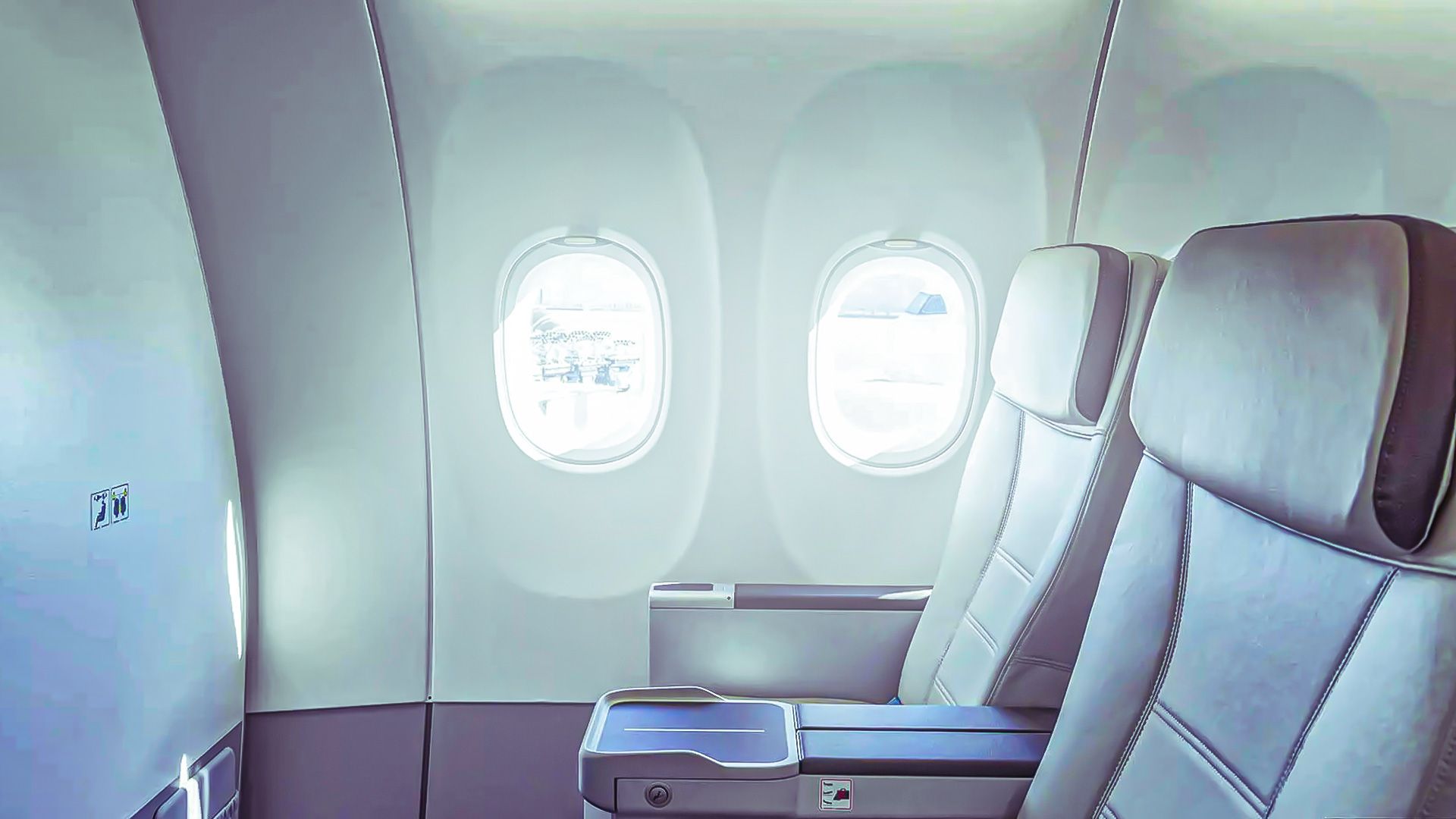
According to Airbus, the new Airspace cabin features enhanced humidity control and airflow management, making long-haul journeys smoother and more enjoyable. Engineers meticulously designed the cabin layout to ensure even pressure distribution, so passengers seated at the rear experience similar comfort levels as those in the front.
This innovation is not merely a comfort upgrade; it’s a strategic move positioning the A321XLR as a key player in the future of aviation. As airlines increasingly adopt this model, the impact on customer satisfaction and loyalty could be profound, reshaping long-haul travel dynamics.
Airbus’s commitment to comfort goes hand in hand with environmental sustainability. By utilizing lighter, more resilient materials, the A321XLR maintains its structural integrity while minimizing fuel consumption. This dual focus allows airlines to provide an unparalleled travel experience without compromising operational efficiency.
The A321XLR’s lower cabin altitude stands to set a new standard in the industry. As feedback from initial test flights continues to pour in, Airbus plans to implement these advancements in future aircraft designs, ensuring that comfort and efficiency remain top priorities.
LOOKING AHEAD: As the aviation industry evolves, we can expect more innovations aimed at enhancing passenger wellness. The A321XLR is poised to lead the charge, proving that advanced engineering can meet the growing expectations of travelers globally.
This revolutionary aircraft is not only changing how we think about narrowbody jets but is also paving the way for a future where comfort and efficiency go hand in hand. The A321XLR stands as a testament to Airbus’s commitment to pushing the boundaries of aviation.
Stay tuned for more updates on this transformative aircraft as it makes its way into commercial service.