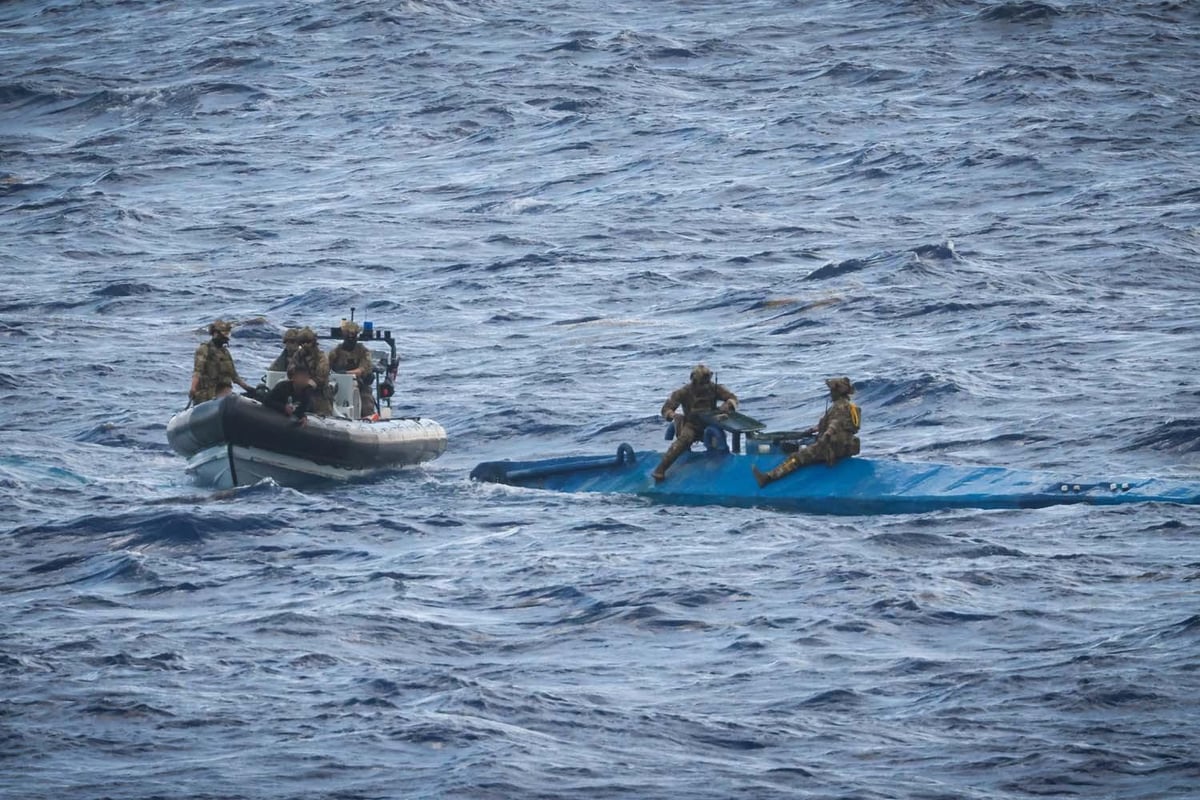
The United Kingdom has ceased sharing intelligence with the United States regarding suspected drug smuggling vessels operating in the Caribbean. This decision marks a significant shift in cooperation between the two nations in their efforts to combat drug trafficking in this region.
Concerns surrounding this development arose following the announcement from the UK’s National Crime Agency (NCA). The NCA indicated that it would no longer provide data intelligence to the US, a move that some officials interpret as a response to a change in operational strategy. According to a spokesperson from the UK Home Office, the decision aims to streamline UK resources and focus on domestic priorities.
Impact on Drug Enforcement Efforts
The cessation of intelligence sharing could have profound implications for drug enforcement operations in the Caribbean. The region has long been a hotspot for drug trafficking, with various criminal organizations utilizing maritime routes to transport illegal substances. The US Coast Guard has historically relied on information from the UK to enhance its surveillance and interception efforts.
This change in policy comes at a time when drug-related incidents in the Caribbean have been on the rise. In 2022 alone, the US Coast Guard seized approximately $2.5 billion worth of illegal drugs in the Caribbean, a figure underscoring the scale of the problem. The ongoing collaboration between the United States and its allies has been vital in tackling this issue, and the UK’s withdrawal raises questions about future operations.
Responses from Authorities
Reactions from law enforcement officials and politicians have been mixed. Some members of the UK Parliament have expressed concern that halting intelligence sharing could weaken the fight against drug trafficking. In contrast, others argue that the UK must prioritize its own operational capabilities and may reassess its strategy in the face of evolving challenges.
The US government has yet to comment formally on the situation, but sources indicate that this development could necessitate adjustments in their tactical approaches to monitoring and intercepting drug vessels in the Caribbean.
As this situation unfolds, the ramifications of the UK’s decision will likely resonate throughout international law enforcement communities. The effectiveness of joint operations may be tested, and the potential for increased drug trafficking activities could pose a significant challenge for both nations. The coming months will reveal how this policy shift influences not only bilateral relations but also the broader fight against drug smuggling in the Caribbean.