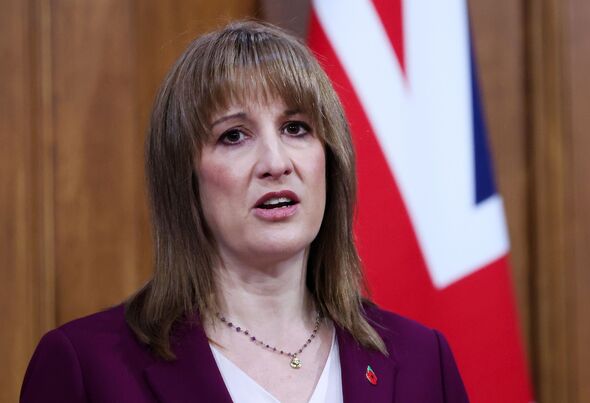
Rachel Reeves, the current Chancellor, is preparing to introduce significant changes to pension taxation that may ultimately affect the financial stability of future retirees. These adjustments, expected to be unveiled in the upcoming November 26 Budget, primarily target “salary sacrifice” pension contributions, which allow workers to redirect parts of their salaries into pension funds without incurring National Insurance costs. While these changes will not affect today’s pensioners directly, they could significantly impact the financial well-being of future retirees.
The proposed alterations are being met with considerable concern from the pensions industry. According to the Society of Pension Professionals, which has reached out to all 650 Members of Parliament, the modifications could lead to reduced take-home pay for millions of employees who participate in workplace pension schemes. This is particularly alarming for those earning under £50,284 annually, who stand to be most affected by the proposed changes.
Implications for Workers and Businesses
Under the new plan, if salary sacrifice arrangements are curtailed or eliminated, workers may find themselves saving less for retirement or receiving smaller paychecks. Currently, these arrangements result in a collective tax saving of approximately £1.2 billion each year, allowing employees to bolster their pension funds. As such, the potential changes could make it more challenging for workers to secure adequate income during retirement.
The ramifications extend beyond individual workers. Employers could face increased costs as a result of the changes, further complicating the already challenging landscape of rising unemployment. The Chancellor’s recent budgetary decisions have already placed additional financial burdens on businesses, which may dampen hiring and wage growth.
As life expectancy continues to increase, the question of how to ensure a comfortable retirement for future generations becomes increasingly pressing. Without robust savings from pension contributions, many may rely more heavily on state pensions, which could strain government resources. The need for substantial savings is essential, particularly in a time when government support may not be sufficient to cover the expenses of an aging population.
Rethinking Tax Breaks and Savings Incentives
Tax incentives on pension contributions exist to encourage individuals to save for retirement. By altering these arrangements, the government risks disincentivizing saving, which could have long-term consequences for both individuals and the state. Critics argue that this approach could lead to a cycle of increased reliance on social welfare as pensioners struggle to make ends meet.
Steve Hitchiner, a spokesperson for the Society of Pension Professionals, emphasized the potential impact on both employees and employers. “Changing salary sacrifice arrangements would lead to a reduction in take-home pay for millions of employees who are saving into a workplace pension,” he stated. He further noted that these changes could represent a significant financial burden for employers, undermining their role in promoting effective pension savings.
As the government navigates these complex issues, the implications of these proposed tax changes warrant careful consideration. While they may seem appealing in the short term, the long-term effects on future pensioners and the broader economy could be profound.
In summary, Rachel Reeves’ upcoming announcements regarding pension taxation will require scrutiny from both lawmakers and the public. The potential for increased financial hardship among future retirees raises critical questions about the direction of the country’s pension policy and the need for a balanced approach to taxation and retirement savings.