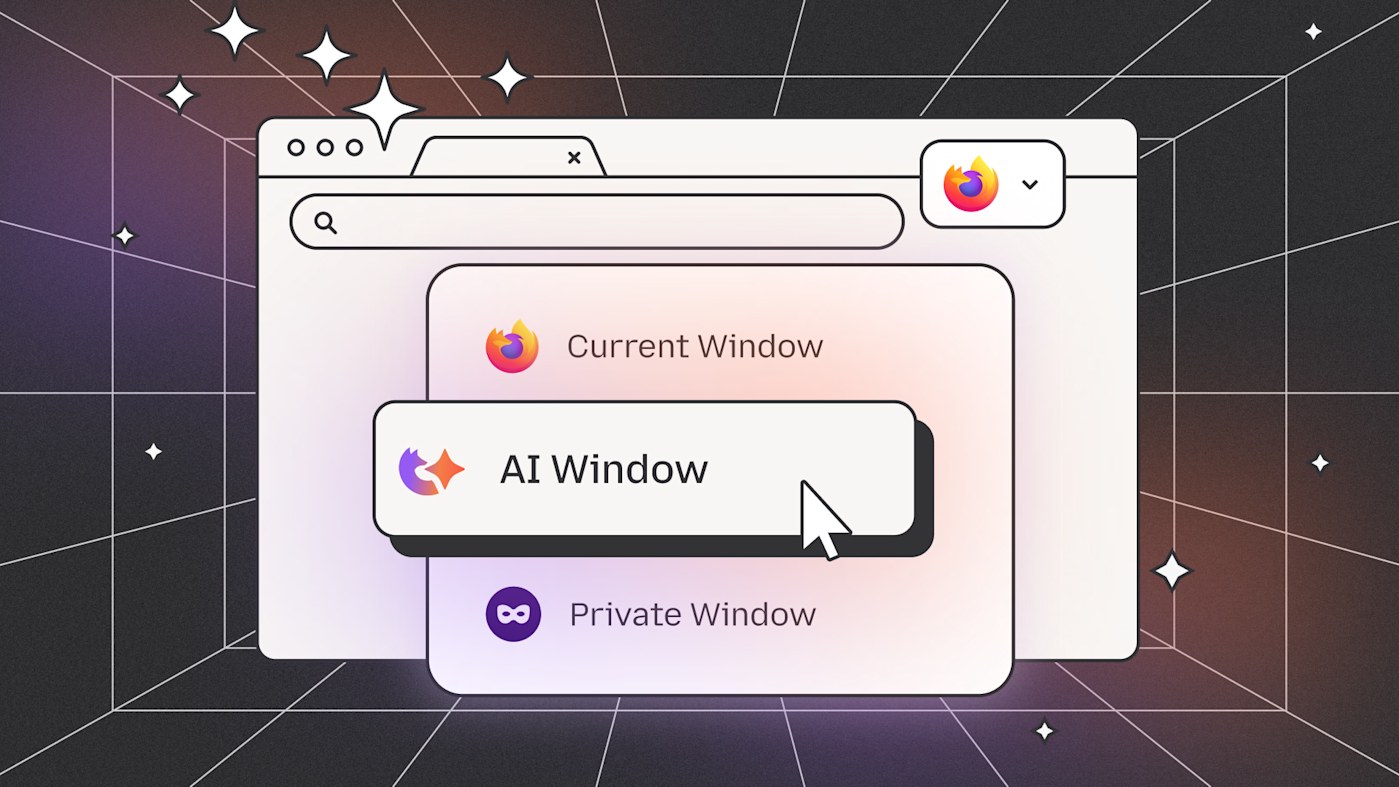
Mozilla announced the development of a new feature for its Firefox browser called AI Window, designed to enhance user interaction with artificial intelligence tools while browsing. This innovative tool will provide an opt-in space for users to chat with an AI assistant, offering assistance tailored to their needs during web sessions.
The AI Window aims to give users greater control over their engagement with AI technologies. It will be an additional option alongside the traditional Firefox window and the Private Window, which continues to focus on privacy protections. As of now, the feature is still under development, with Mozilla inviting interested users to sign up through its official blog to join early testing and provide valuable feedback.
Addressing the Growing Demand for AI Integration
The integration of AI into web browsing has become a significant focus among technology companies, reflecting a broader trend in the industry. Major browser providers are competing to deliver the most effective and user-friendly AI solutions. Mozilla’s initiative with AI Window aligns with these industry movements as it seeks to provide a more interactive and supportive browsing experience.
Earlier this year, Mozilla also launched a tool for Firefox on iOS that allows users to shake their phones for an AI-generated summary of a web page. These enhancements demonstrate Mozilla’s commitment to staying relevant in a rapidly evolving digital landscape, where user experience and AI capabilities are paramount.
As the development of the AI Window progresses, it highlights the increasing importance of user choice in technology. By allowing users to opt-in for AI assistance, Mozilla acknowledges the diverse preferences among its user base. This approach not only enhances user control but also fosters a more personalized browsing experience.
In conclusion, Mozilla’s AI Window represents a significant step forward in the integration of AI within web browsers. As the feature approaches its launch, users will be keen to see how it complements existing functionalities while promoting a more engaging and responsive interaction with the web.