
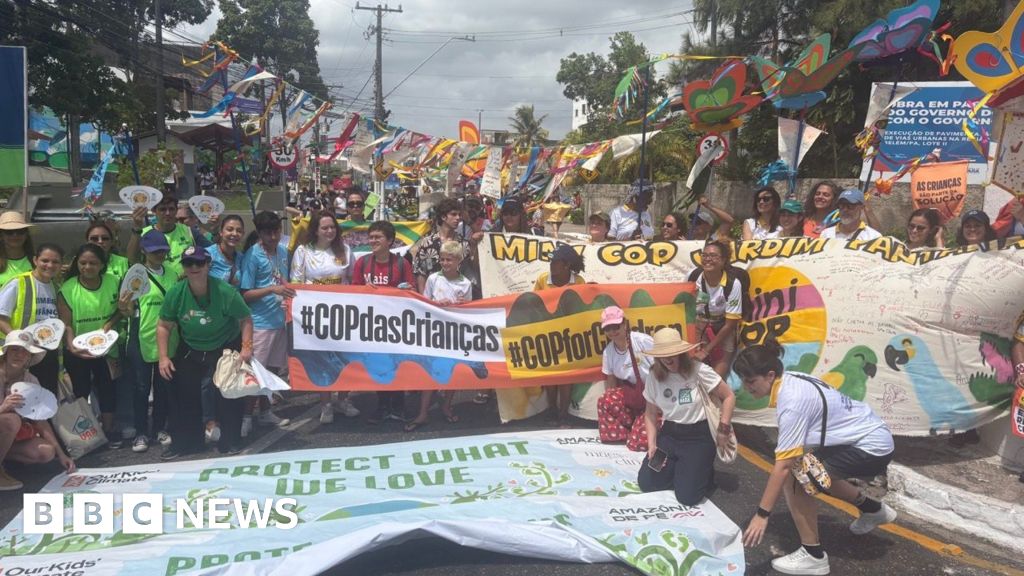
Thousands of climate protesters gathered in Belém, Brazil, to demand urgent action on climate change as the COP30 climate summit commenced. The demonstrators, performing to the rhythm of loud sound systems, chanted and sang slogans like “free the Amazon,” while carrying three large coffins labeled Oil, Coal, and Gas. These symbolic representations were flanked by figures dressed as grim reapers, emphasizing the urgent message about the impact of fossil fuels on the environment.
This year’s summit marks the first time since 2021 that protesters have been permitted to demonstrate outside the UN climate talks. The previous three summits were held in countries where public demonstrations were not allowed. The presence of activists is significant, especially as they seek to amplify their calls for an end to fossil fuel dependency. Brianna Fruean, a climate activist from Samoa, stated, “Fossil fuels are still being burned. We know all too well what it’s like to live on the frontline of climate change.”
Ilan, an activist from the non-governmental organization 350, highlighted the urgency of their message: “We are here after so many COPS, marching for justice, for the end of fossil fuels.” The march was attended by a diverse group of participants, including Indigenous communities, Brazilian youth groups, and various environmental activists. Many carried signs demanding “demarcation now,” advocating for Indigenous groups to receive legal recognition of their territories.
Indigenous peoples are regarded as crucial guardians of biodiversity and forests, particularly in the Amazon region, where hundreds of such communities reside. The march also saw smaller sister protests taking place globally, including in the UK, illustrating the widespread concern over climate issues.
Tensions escalated earlier in the week when protesters broke through security lines at the summit, resulting in minor injuries to two security staff members and some damage to the venue. Despite these disruptions, discussions continued at COP30, with nearly 200 countries present to negotiate strategies for addressing climate change.
During the first week of talks, limited progress was reported. Delegations expressed the need for an agreed-upon strategy to fulfill previous commitments to reduce reliance on fossil fuels. President Luis Ignacio Lula da Silva of Brazil is hosting the summit in Belém to draw attention to the Amazon and the rights of Indigenous peoples. However, just prior to the summit’s opening, the Brazilian government granted permission to the state oil company to explore for oil at the mouth of the Amazon, raising concerns among environmentalists and activists.
As the COP30 discussions progress, the demand for a decisive shift away from fossil fuels resonates louder than ever, with protesters seeking to hold leaders accountable for their climate commitments.


