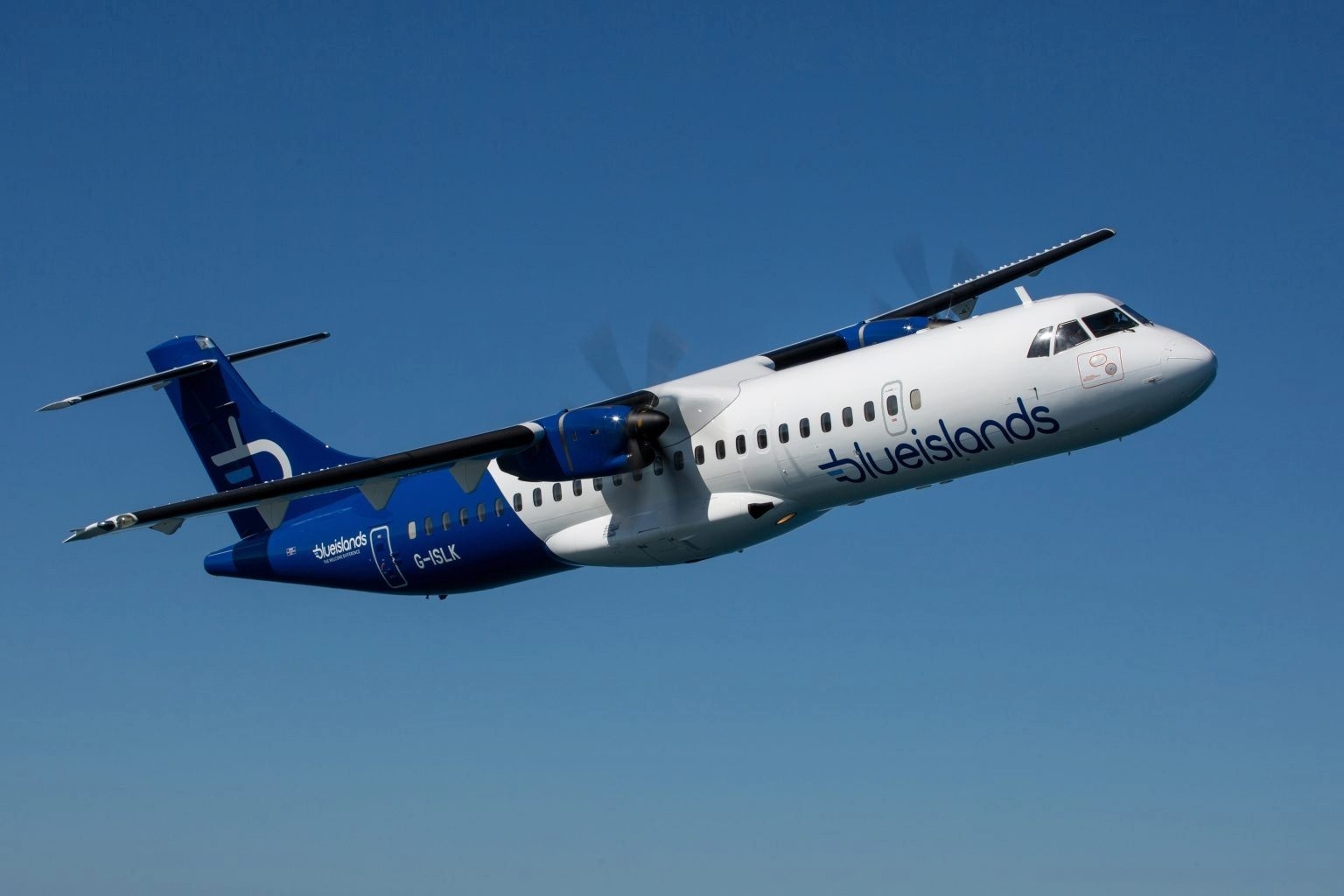
The sudden announcement that Blue Islands would cease all operations took passengers and staff by surprise on the evening of March 15, 2024. The airline, which had been actively recruiting for multiple positions just a day earlier, confirmed the grounding of its entire fleet at 21:53. This abrupt decision left many questioning the circumstances surrounding the airline’s rapid decline.
In an email to staff, Blue Islands’ CEO expressed his shock, suggesting that the announcement was unexpected and not part of a pre-planned strategy. The situation raised concerns about the airline’s financial health, particularly as it was reported that Blue Islands owed the government approximately £7 million in Covid relief funds. Debt repayments had reportedly stalled this year, and the airline had faced numerous delays and cancellations over the summer.
According to local reports, further public funding had been provided to Blue Islands, but a meeting of the Council of Ministers on Friday indicated that the government had reached a tipping point. The decision to halt operations followed a series of behind-the-scenes discussions, which culminated in the airline’s abrupt cessation of services.
In the wake of Blue Islands’ closure, regional airline Loganair stepped in to fill the void, providing much-needed stability for local air travellers. The swift response from Loganair underscores the urgency of the situation, as passengers and staff grappled with the fallout of the airline’s sudden exit from the market.
The Consumer Council has issued guidance for the thousands of passengers affected by Blue Islands’ cancellation of flights. Many local sports teams and other groups who relied on the airline’s services are now concerned about securing refunds for their bookings. The JEP aims to provide comprehensive coverage, including expert analyses on the implications of this disruption for local travel, which has already experienced significant challenges this year.
Blue Islands’ history dates back to 1999, when it began as Le Cocqs Airlink, primarily transporting perishable goods. The company transitioned to passenger flights in 2002 and rebranded as Rockhopper before eventually becoming Blue Islands after its acquisition by Healthspan. The airline grew to serve crucial inter-island routes, competing with established carrier Aurigny and serving thousands of passengers on vital routes to Southampton and Guernsey.
The airline’s journey reflects a significant evolution within the local aviation landscape. Once a challenger to incumbents, Blue Islands became a staple of regional travel, and its closure raises questions about the future of air transport in the area. As the community processes this unexpected turn of events, it remains uncertain whether Blue Islands’ aircraft will ever grace the skies again.
The situation illustrates a broader concern about the resilience of transport links, which are critical for connecting the islands and supporting local economies. As the region navigates this turbulent time, the hope remains that passengers will be able to reclaim their funds and that new operators will emerge to provide reliable service in the future.