An investigation has been launched into allegations that British tourists paid significant sums to participate in shooting civilians during the Bosnian-Serb army’s siege of Sarajevo in the 1990s. Prosecutors in Milan are examining claims that over £70,000 was spent by Italian tourists, with evidence suggesting that similar activities involved UK citizens as well.
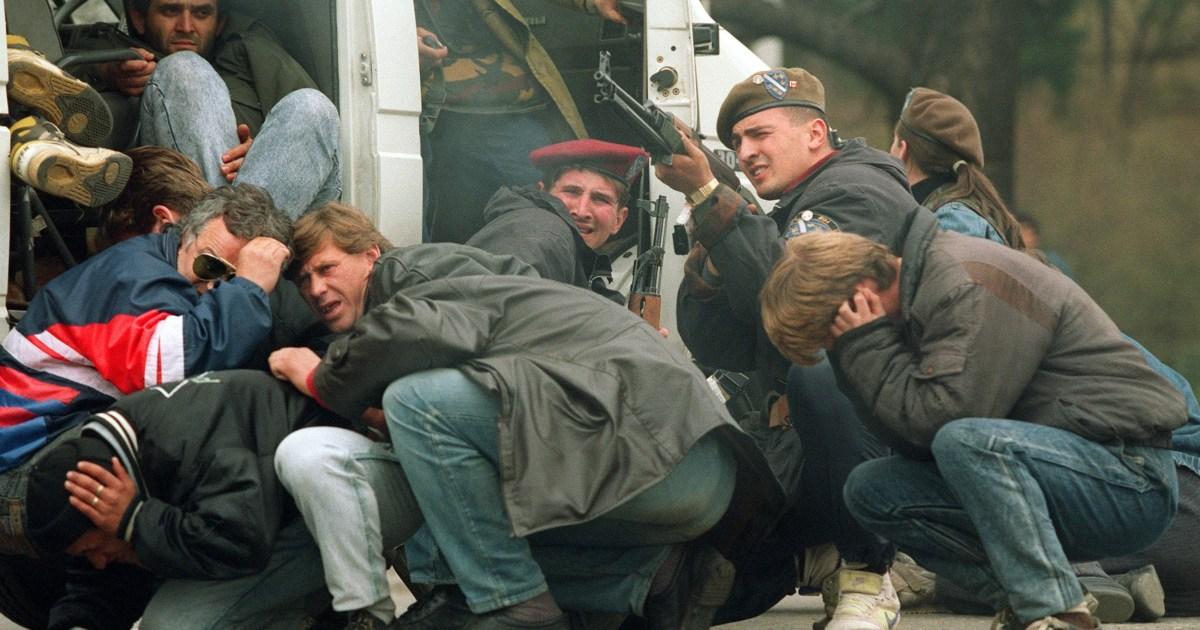
This inquiry comes more than 30 years after the siege, which lasted from 1992 to 1996 and resulted in nearly 14,000 deaths, including around 5,434 civilian casualties. The claims were brought to light by journalist and writer Ezio Gavazzeni, who has gathered witness statements indicating that wealthy individuals from various countries, including the UK, Italy, Germany, and the United States, engaged in what has been termed “murder tourism.”
Gavazzeni revealed to the Spanish newspaper El Mundo that these tourists traveled to the hills surrounding Sarajevo to shoot at civilians for sport. “I was surprised when the rumors circulated about what was happening in Sarajevo without anyone investigating it further,” he stated. Gavazzeni hopes this investigation will prompt more scrutiny into the actions of these individuals, particularly because they are often powerful and socially influential.
Despite the passage of time, Gavazzeni expressed shock that there has been little interest in addressing these allegations in the past three decades. Following the release of the documentary Sarajevo Safari in 2022, he noted that no Western television network acquired the rights to air it, underscoring a concerning lack of awareness about the issue.
The ongoing investigation has not yet identified specific suspects, but Gavazzeni indicated that there were clear links between the alleged activities of Italian tourists and the events in Sarajevo. He mentioned communication with members of the Bosnian secret service who discussed these “sniper tourists.” “There were no political or religious motivations,” he explained. “They were rich people who went there for fun and personal satisfaction.”
According to his claims, the Italian tourists would typically convene in the northern city of Trieste before traveling to Belgrade, where they would be escorted to Sarajevo’s hills by Bosnian-Serb soldiers. An additional fee was reportedly paid to shoot at civilians, including children.
Gavazzeni characterized this phenomenon as a troubling indifference towards the suffering caused by the conflict. He stated, “There was a traffic of war tourists who went there to shoot people,” highlighting the moral implications of such actions.
The siege of Sarajevo is one of the most brutal chapters of the Bosnian War, which resulted in the deaths of over 100,000 people and displaced approximately 2 million. Key figures in this conflict, such as former Bosnian Serb political leader Radovan Karadzic and military commander Stanislav Galic, were later convicted of war crimes at The Hague, receiving life sentences for their roles in the atrocities.
As the investigation unfolds, many anticipate further revelations about the extent of foreign involvement in the violence that plagued Sarajevo during the siege. The potential for prosecution in this case could lead to renewed discussions about accountability for war crimes and the role of foreign nationals in such tragedies.