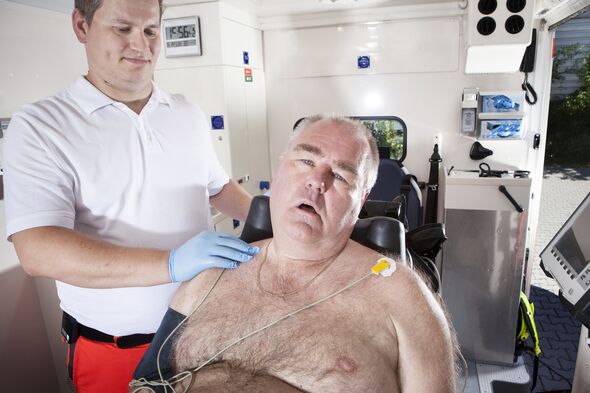
NHS spending on equipment and services for obese patients has surged, with new figures indicating that expenditures have more than doubled over the past year. Data obtained under Freedom of Information laws show that the NHS allocated £20.7 million to bariatric ambulances and related equipment since 2020. This includes specialized stretchers, lifting chairs, and reinforced ramps designed to safely transport and treat patients with obesity.
In 2024 alone, NHS ambulance trusts across the UK spent a total of £4.98 million, marking the highest expenditure in a five-year span. There was a significant increase of 123 percent in spending from 2023 to 2024, underscoring a growing demand for vehicles and equipment tailored to individuals facing obesity or severe mobility challenges.
Emergency Call-Outs Highlight Growing Needs
Research from online pharmacy Chemist4U revealed that there have been at least 157,240 emergency call-outs since 2020 requiring a bariatric ambulance or specialized equipment. The actual number could be higher, as some ambulance trusts utilize bariatric-equipped vehicles for all emergency responses. A spokesperson for the West Midlands Ambulance Service noted, “Like all ambulance trusts, we maintain a specialist bariatric capability for patients who require it. All of our emergency ambulances are bariatric capable, and we have additional vehicles fitted with specialist stretchers and handling equipment beyond what is available in our standard fleet.”
The alarming rise in obesity is further underscored by government estimates predicting that obesity-related costs for the NHS will reach £11.4 billion by 2025, nearly double the estimate of £6.5 billion from 2023. Obesity is associated with a range of serious health issues, including cardiovascular disease, type 2 diabetes, stroke, and certain cancers. According to Public Health England, two-thirds of adults in England are now classified as overweight or obese.
Impact on Children and Future Healthcare
The statistics concerning children are equally concerning. In 2023, one in five children starting primary school was classified as obese or overweight, increasing to one in three by Year 6. These figures have remained elevated since the pandemic, with disadvantaged areas experiencing the most significant increases. A report from NHS England in 2024 warned that the rising obesity rates among children could result in unprecedented numbers of teenagers requiring treatment for type 2 diabetes and musculoskeletal problems within the next decade.
Jason Murphy, Head of Pharmacy at Chemist4U, emphasized the implications of the data, stating, “The increase in spending on bariatric ambulances and equipment highlights the growing impact of obesity and weight-related health issues across the UK.” He added that decreasing obesity rates could significantly lower spending not only on specialized equipment but also on treating associated diseases, including heart disease, diabetes, and some cancers.
The findings reveal a pressing need for comprehensive strategies to address the obesity crisis, which poses challenges not only for the NHS but also for public health across the nation. As the demand for specialized care continues to rise, addressing the underlying issues of obesity will be crucial in reducing the financial and health burdens on the healthcare system.