UPDATE: New reports highlight China’s ongoing efforts to erase the memory of the 1989 Tiananmen Square massacre, where an estimated 10,000 protesters lost their lives. This critical event, deemed a significant act of “forgettance” by the BBC, reveals the extent of censorship in China as the June 4 anniversary approaches.
As the world braces for the annual remembrance, Chinese authorities have intensified their crackdown on information related to the massacre. Each year, the government deploys a massive censorship apparatus, erasing any mention of the event from the internet, and punishing those who dare to commemorate it. The BBC reports that this cleansing includes arrests and jail sentences for individuals attempting to post even vague references.
In the lead-up to the anniversary, the government has ramped up its efforts to ensure that the younger generations remain unaware of the tragic events of June 3-4, 1989. The hardliners within the Communist Party have succeeded in maintaining strict control, leading to a climate of fear surrounding any discussion of the protests that once drew over a million people to Tiananmen Square.
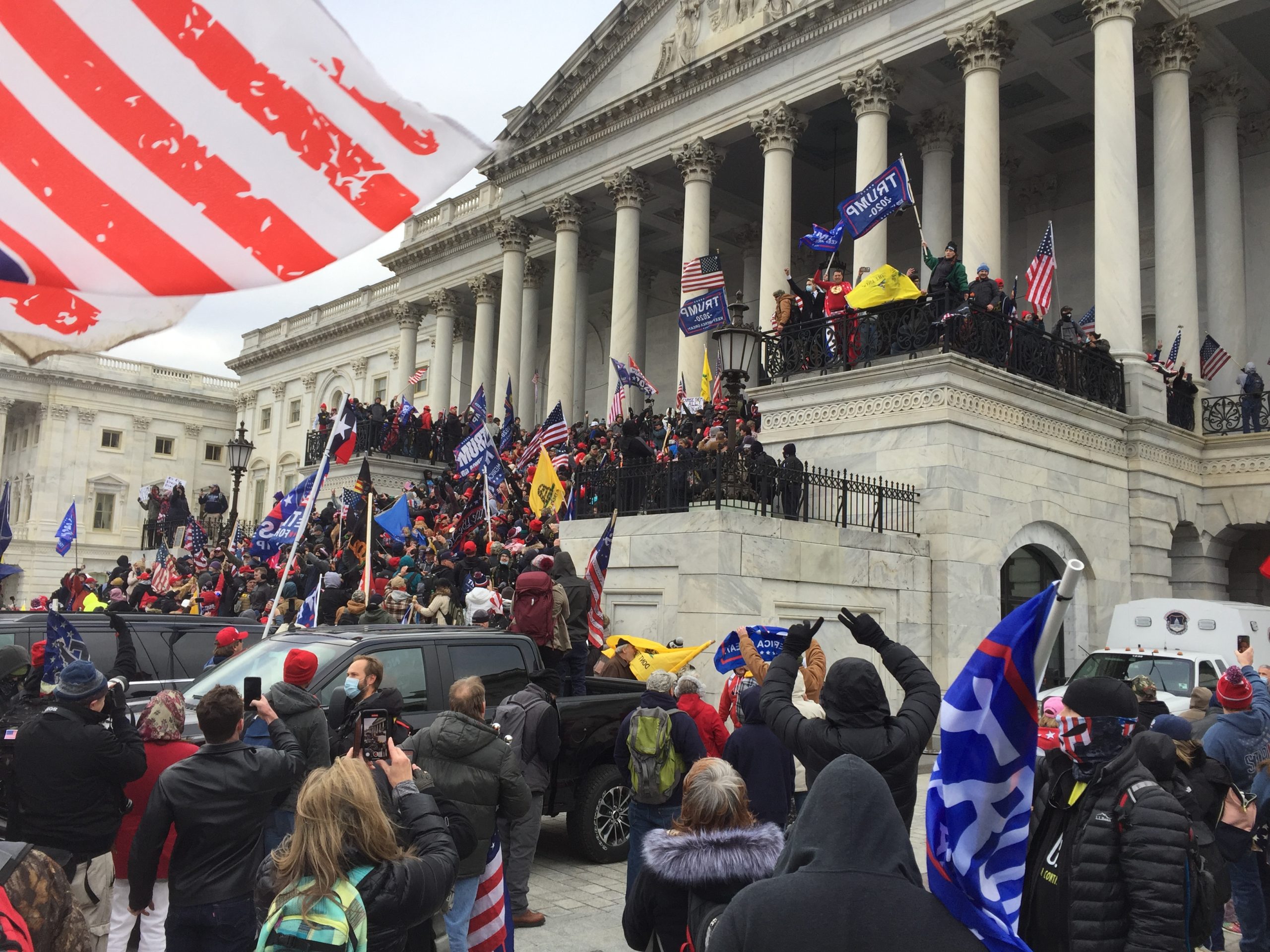
Meanwhile, in the United States, the echoes of “forgettance” resonate through the political landscape as former President Donald Trump continues to issue pardons related to the January 6, 2021 Capitol riot. His recent decisions to pardon individuals involved in the insurrection underscore a similar denial of accountability, raising questions about the future of democracy in America.
“Forgetting, forgettance seems ever more relevant to me as we in the United States wake with an almost daily need to remember reality,” a commentator noted, drawing parallels between China’s approach and the narratives surrounding the Capitol attack.
On January 6, a mob stormed the U.S. Capitol, injuring approximately 140 law enforcement officers and causing over $2.9 million in damages. Five people died during or soon after the riot. Yet, the narrative around this violence continues to be shaped by political motivations, as Trump emphasizes the notion of a stolen election, effectively attempting to rewrite history.
As the Department of Justice launches the largest criminal investigation in U.S. history, the impact of these events is clear. The need to remember the truth behind January 6 parallels the urgency of commemorating Tiananmen, as both scenarios reflect a deep-rooted struggle against authoritarianism and the erasure of history.
With the June 4 anniversary approaching, international observers are urged to remain vigilant about the ongoing censorship in China. The lack of official remembrance not only impacts those who lived through the events but also poses a significant threat to the collective memory of the nation. In the United States, as Trump’s actions continue to provoke outrage, the imperative to confront the realities of January 6 remains just as urgent.
As these two narratives unfold, the world watches closely. The importance of remembrance—whether in Tiananmen Square or the U.S. Capitol—is crucial in the fight for accountability and truth. Authorities and citizens alike must stand firm against the forces of forgettance, ensuring that the lessons of the past are not lost to history.
What happens next? As the June 4 anniversary nears, expect increased scrutiny on China’s censorship efforts, as well as continued discussions about the implications of Trump’s pardons and their impact on American democracy. The world cannot afford to forget.