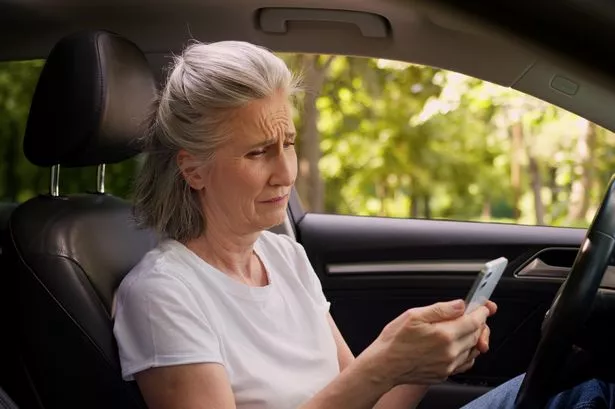
URGENT UPDATE: The Driver and Vehicle Licensing Agency (DVLA) has issued a critical warning to drivers, urging them to “always” use GOV.UK for all DVLA services to combat rampant scams. More than 20,000 cases of fraudulent activity were reported last year, highlighting a growing threat to motorists.
In a post on social media platform X, the DVLA cautioned: “Stay safe online – always use http://GOV.UK for DVLA services. Using other sites could cost you more – or worse, they could be scams.” This alert comes as fraudsters are adopting increasingly sophisticated methods to deceive victims.
The DVLA emphasized that it has never been more crucial for motorists to recognize fraudulent communications. “We are seeing more sophisticated scams that target unsuspecting individuals,” the agency stated. It is vital for everyone to understand how to identify fake emails, texts, websites, and calls.
Here are the DVLA’s essential tips to ensure your safety online:
Only Use GOV.UK: The DVLA insists that GOV.UK is the “only place” to access official information and services. “Using any other website could mean you’ll be charged more for services that are either cheaper or completely free on GOV.UK,” the agency warned. They reiterated that other websites may be fraudulent, urging everyone to transact only through official channels.
Never Share Your Information Online: The DVLA cautioned against sharing your driving license or vehicle details on social media platforms. “Sharing your new driving license or V5C could expose you to identity theft,” they warned. Such key documents contain identifying information that scammers could exploit, leading to fines for infractions you didn’t commit.
Be Wary of Emails and Texts: If you receive an email or text requesting personal information, proceed with caution. The DVLA stated, “Fraudsters often send deceptive messages asking for bank or payment information or claiming you are entitled to a vehicle tax refund.” Remember, the DVLA will never ask for bank account details or confirm payment information via email or text unless you have an active inquiry.
Watch Out for Impersonating Websites: Scammers frequently create websites that mimic the DVLA’s official site. These fraudulent platforms may charge higher fees for services that are available for free or at a lower cost on GOV.UK. Always verify the website you are using, and ensure it is the official government site.
Reporting Scams: If you encounter any suspicious activity, the DVLA encourages you to take action. Report phishing emails to the National Cyber Security Centre, and report online scams to Action Fraud. You can also report misleading advertisements to search engines to help combat fraud.
The DVLA’s alert underscores a significant and pressing issue for drivers across the UK. As scammers become more adept at tricking individuals, staying vigilant is key to protecting your personal information and finances. For more information on how to safeguard yourself against scams, visit the official GOV.UK website.
Stay informed and share this essential information with fellow drivers to ensure everyone’s safety!