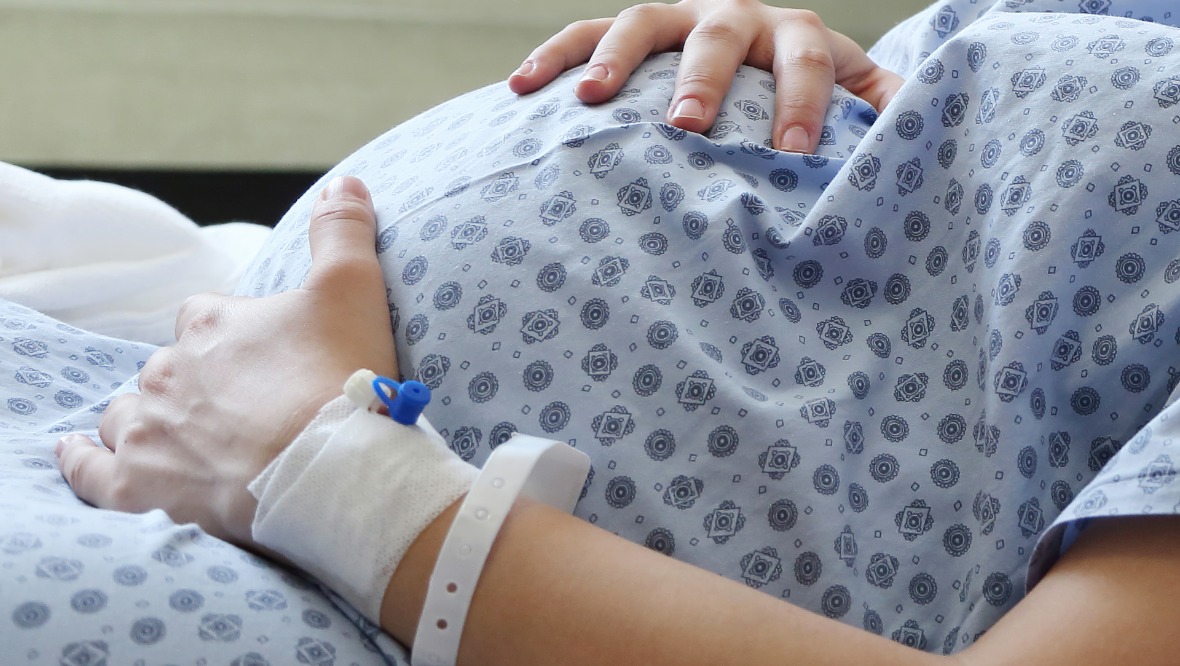
A recent study from the University of Aberdeen indicates that receiving the human papillomavirus (HPV) vaccination may lower the risk of severe pregnancy complications later in life. The research highlights a significant correlation between HPV vaccination and improved pregnancy outcomes, suggesting that the vaccine could have benefits beyond cancer prevention.
The HPV vaccine has been offered to schoolgirls aged 12 and 13 since 2008, protecting against various cancers, including cervical, mouth, and throat cancers. The study, which is the first of its kind, analyzed data from over 9,200 women in Aberdeen between 2006 and 2020. It found that women who had received the HPV vaccine experienced notably lower instances of pre-eclampsia, premature rupture of membranes, and bleeding after 24 weeks of pregnancy.
According to the findings published in the European Journal of Obstetrics and Gynaecology and Reproductive Biology, women vaccinated against HPV were 48% less likely to have their waters break prematurely and had 62% lower odds of developing pre-eclampsia. Additionally, the study indicated a 29% reduction in the likelihood of experiencing pre-birth hemorrhage.
Dr. Andrea Woolner, a senior clinical lecturer at the University of Aberdeen and honorary consultant obstetrician at NHS Grampian, emphasized the significance of the study. She stated, “We know from previous research that if the pregnant mother had previously had an HPV infection or undergone treatments for precancerous changes, they were at an increased risk of pregnancy complications such as preterm birth. Our goal was to determine if the HPV vaccine, which reduces the likelihood of HPV infection and the need for cervical treatments, could mitigate some of these pregnancy complications.”
Dr. Woolner further noted that the findings reinforce the importance of administering the HPV vaccine before the age of 15. “Not only does the HPV vaccine protect against cancer, but our research suggests it may also provide protection against serious pregnancy-related complications,” she added.
Dr. Maggie Cruickshank, an emeritus professor at the University of Aberdeen and consultant gynaecologist at NHS Grampian, highlighted the broader implications of the research. “Vaccinating boys alongside girls enhances herd immunity, significantly reducing the risk of HPV-related cancers in all genders and supporting healthier pregnancies in the future. These new findings also open the door to exploring additional benefits of the HPV vaccine for men.”
As awareness of the HPV vaccine’s benefits continues to grow, this study contributes valuable insights into its potential role in improving maternal and fetal health outcomes. The findings underscore the necessity for continued efforts to promote vaccination and expand research on its long-term effects.