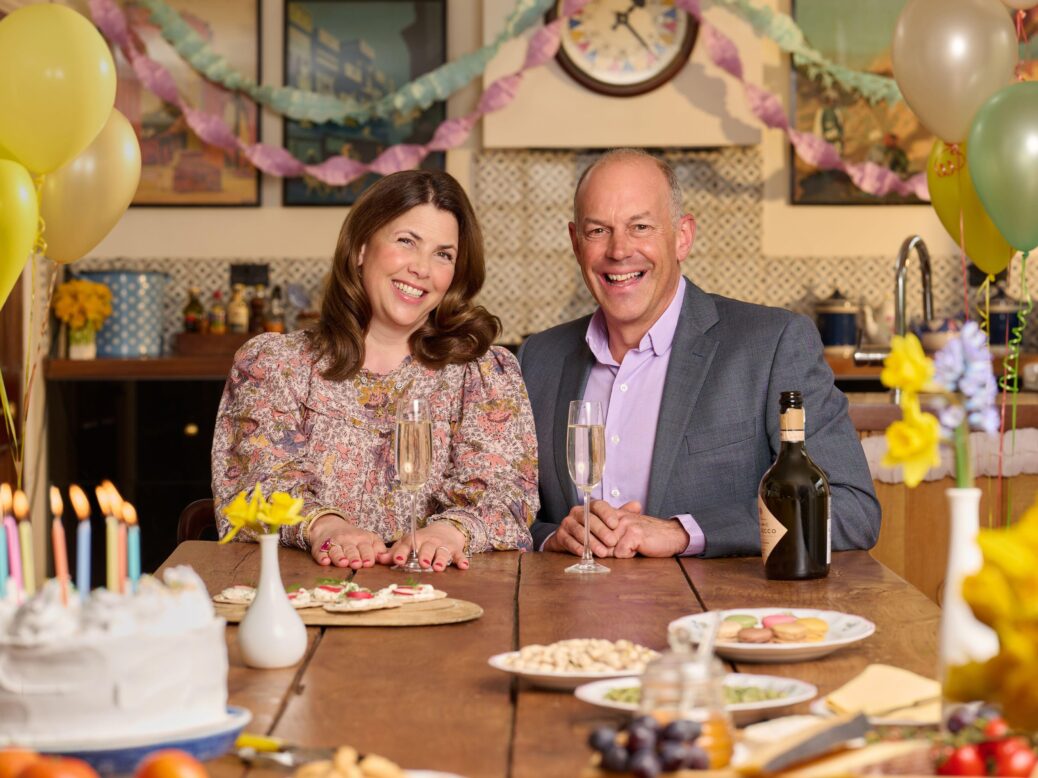
Kirstie Allsopp, a prominent figure in British real estate, recently addressed members of the Treasury Select Committee in Westminster, advocating for significant reforms in the UK’s housing taxation system. During her appearance on a November afternoon, she emphasized the need to modernize outdated policies that currently govern property ownership and sales.
Allsopp, known for her role on the television show *Location, Location, Location*, critiqued the existing council tax system, which relies on property valuations established in 1991. She argued that this system discourages homeowners from moving and prevents the market from functioning effectively. “We have to be very careful not to see buying property as a sin,” she stated, referring to the “upsetting” nature of stamp duty, which she likened to a “sin tax.”
Call for Encouragement Over Punishment
Allsopp’s testimony highlighted her belief that encouraging property ownership can lead to economic benefits. She pointed out that individuals in the upper price brackets, specifically those with properties valued at £1.5 million and above, are hesitant to sell due to punitive tax implications. “They are just not selling,” she lamented, stressing the need for a tax system that promotes mobility within the property market.
The committee chair, Meg Hillier, questioned Allsopp about the impact of housing policies on lower-income brackets. In response, Allsopp acknowledged that her observations were limited to the higher end of the market. She also raised concerns about proposed measures aimed at addressing housing inequality, particularly regarding the taxation of landlords. She cautioned that increasing financial burdens on landlords could have unintended consequences, such as discouraging investment in property improvements.
Allsopp’s personal experiences further underscore the issues at hand. Having lived in the same home for over 20 years, she expressed frustration with how stamp duty affects her ability to renovate. “The stamp duty basically swallowed up my entire refurbishment budget,” she said, indicating the broader implications of current tax policies on homeowners’ decisions.
Reactions and Broader Implications
Her views have sparked discussions on housing policy and social equity in the UK. On a subsequent interview with BBC Radio 4, Allsopp reiterated her opposition to a mansion tax, arguing that such measures could halt activity in the luxury property market. “What is happening is that the top end of the property market has completely stopped,” she warned, suggesting that this could be more a political maneuver than a genuine effort to address wealth inequality.
Allsopp’s perspective reflects a broader sentiment in the UK, where home ownership is not just an economic goal but a cultural obsession. Many people tune into property shows, hoping to glean inspiration or reassurance about their own housing aspirations. With multiple programmes airing on British television, including six property shows on the day of her committee appearance, it is evident that the fascination with real estate runs deep.
The discussion around property taxes is not new, as previous governments have hesitated to reform the council tax system due to fears of political backlash. The unpopular mansion tax, proposed during the 2015 election campaign, highlighted concerns among voters regarding perceived fairness in taxation. Allsopp’s testimony brings to light the ongoing struggle between the desire for tax reform and the complexities of the housing market, where many believe the current system fails to reflect the realities of home ownership in 2023.
As the debate continues, Allsopp’s passionate advocacy for reform underscores the urgency of addressing the housing crisis in Britain and ensuring that future policies reflect the needs and aspirations of the public.