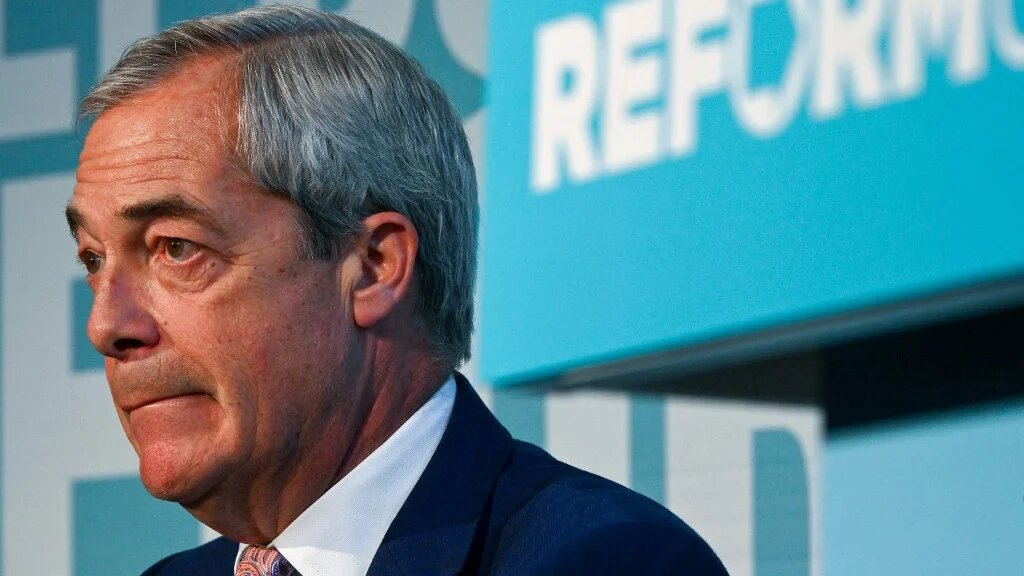
UPDATE: In a shocking move, Nigel Farage’s Reform Party has just appointed Alan Mendoza, the executive director of the controversial Henry Jackson Society (HJS), as its chief advisor on global affairs. This decision comes amid rising tensions and accusations of racism within the party, raising urgent questions about its future direction.
Mendoza, who was previously a Conservative councillor in Westminster, announced his new role earlier this week. The Reform Party, known for its anti-immigrant stance, is currently leading in national polls, suggesting a potential shift in UK political dynamics. The appointment signals a likely hardline approach to foreign policy, particularly concerning immigration and national security.
The HJS, founded in 2011, has been described by former insiders as a “monstrous animal” and a “racist organization.” The think tank promotes a neoconservative agenda and has been heavily criticized for its stance on Islamist extremism, advocating a stringent approach that targets not only violent extremists but also non-violent groups.
Mendoza’s controversial views were recently highlighted during a segment on TalkTV, where he opposed the UK government’s plan to allow dependants of Palestinian students from Gaza to enter the UK. He stated, “we don’t know what they believe… we don’t know whether they mean us well or ill.” This comment has sparked outrage and concern over the party’s increasingly hardline rhetoric.
Critics of HJS, including co-founder Matthew Jamison, have voiced strong opposition to its ideologies, labeling it as deeply anti-Muslim. Another former member, Marko Atilla Hoare, criticized the organization for producing “polemical and superficial pieces” that perpetuate divisive narratives.
As the controversy surrounding the Reform Party intensifies, Prime Minister Keir Starmer has called on Farage to address the allegations of racism from his past. Reports have surfaced accusing Farage of targeting ethnic minority children during his school years and engaging in racially charged behavior. Farage has vehemently denied these allegations, stating that such events occurred “a very, very long time ago” and are not recollectable.
In another contentious appointment, the Reform Party recently faced backlash for naming former academic Matthew Goodwin as head of its new student organization. Critics argue that Goodwin’s views on British identity and immigration are deeply problematic, yet the party has chosen to stand by him.
Mendoza’s appointment adds to a growing list of controversial figures associated with the party, including Cambridge academic James Orr, who faced scrutiny for his inflammatory remarks regarding pro-Palestine protests. In 2013, Farage himself faced widespread condemnation for suggesting that some Muslim immigrants aimed to “take us over.”
As the Reform Party grapples with these controversies, Mendoza’s role will be closely watched. His appointment marks a clear indication of the party’s potential pivot towards even more extreme positions on immigration and foreign policy.
WHAT’S NEXT: With the Reform Party’s growing influence in UK politics, all eyes will be on how Mendoza’s appointment shapes its policies and public image. The political landscape is shifting rapidly, and the implications of this controversial leadership decision could have lasting effects on the party’s trajectory as well as UK governance.
Stay tuned for further updates on this developing story.