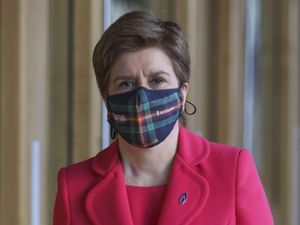
URGENT UPDATE: The UK Covid-19 Inquiry has just confirmed that former First Minister Nicola Sturgeon’s use of “gold command” meetings significantly reduced transparency during the Covid-19 pandemic. This revelation raises serious questions about the decision-making process within the Scottish Government.
The inquiry’s findings indicate that Sturgeon and a select group of ministers operated outside standard Cabinet procedures, making critical decisions without formal documentation. These informal meetings, described as “gold command,” diminished the Scottish Cabinet’s role and left many decisions ratified without broader consultation. The report states that this lack of transparency made it “difficult to understand the nature and extent of the discussions” conducted in these meetings.
The inquiry highlighted a particularly concerning instance regarding the closure of schools. On March 17, 2020, the Cabinet agreed to review the necessity of closing schools. However, shortly after, Sturgeon and Deputy First Minister John Swinney made a unilateral decision to announce school closures for the end of that week. This decision was made outside the Cabinet, despite prior agreement to keep the measure under consideration.
The inquiry report criticized this approach, stating, “This important decision was therefore taken by Ms Sturgeon and Mr. Swinney outside the Cabinet decision-making process.” This sidelining of the Cabinet raised alarms about the overall decision-making structure, which the inquiry claimed should have been more agile and involved.
In response to the findings, Deputy First Minister Kate Forbes addressed members of the Scottish Parliament, emphasizing the need to learn from past mistakes. “As this report publishes, my thoughts turn to the many families across Scotland who lost loved ones during the pandemic,” Forbes asserted. She acknowledged the deep hurt experienced by many and committed to utilizing these lessons for future governance.
Forbes stated, “During the pandemic, the Scottish Government’s foremost priority was to protect the public from the novel Covid-19 virus. We had to adapt rapidly.” However, she admitted that some decisions made under pressure may not have been the best course of action.
The inquiry’s findings underscore the importance of accountability and transparency in government decision-making, especially during crises. As Scotland continues to navigate the aftermath of the pandemic, these revelations serve as a poignant reminder of the need for a more inclusive and documented approach to governance.
WHAT’S NEXT: The Scottish Government pledges to incorporate the lessons learned from the pandemic into future responses. Observers will be watching closely to see how these commitments translate into actual policy changes and whether the Cabinet will be more involved in decision-making processes moving forward.
This critical inquiry report not only sheds light on Sturgeon’s leadership during a national crisis but also calls for a reevaluation of how decisions are made in government, ensuring that transparency and accountability are prioritized in the future.