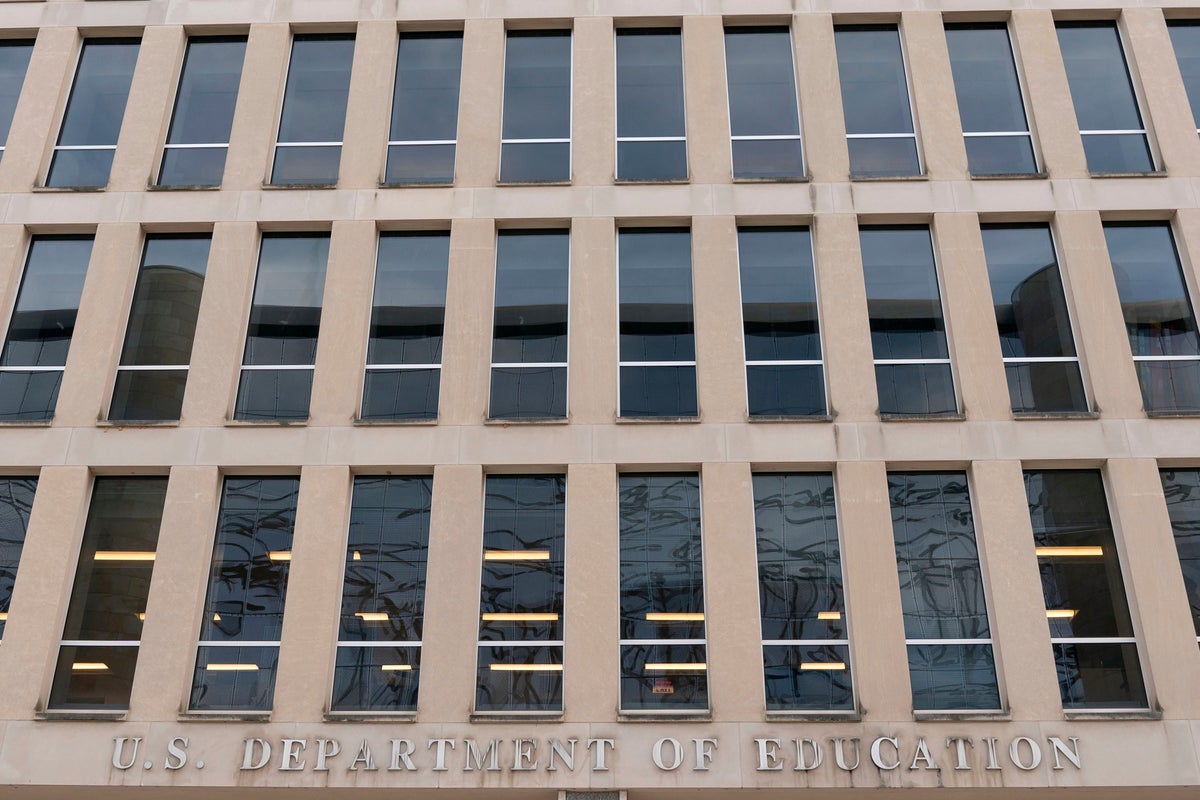
Tribal leaders and education advocates have voiced strong concerns regarding the U.S. Department of Education’s recent decision to transfer several Native American education programs to other federal agencies without prior consultation. This announcement, made earlier this week, indicates that the Education Department will shift responsibilities for these programs to the Department of Labor and the Department of the Interior.
The changes, which involve the management of educational resources for Native American children and college students, have sparked worries about potential confusion over funding and services. Steve Sitting Bear, chairman of the Standing Rock Sioux Tribe, expressed serious objections, stating, “This transfer brings no additional support to our schools, and merely shifts us from one inadequate system to another.” He emphasized that the lack of consultation before the announcement violates legal requirements and jeopardizes the well-being of students.
Many tribal leaders argue that the restructuring will complicate existing educational services. Sitting Bear highlighted that the Standing Rock Sioux Tribe operates a K-12 school funded by federal resources, and the uncertainty caused by this transition could have dire consequences for student outcomes. He called for a reconsideration of the plan, asserting that it creates unnecessary layers of bureaucracy.
The implications of the transfer extend to Tribal Colleges and Universities (TCUs) as well. Ahniwake Rose, president of the American Indian Higher Education Consortium, pointed out that the transition raises multiple questions regarding funding routes and agency responsibilities. “When my TCUs have a question, they’re going to be three agencies they might possibly have to go to for solutions,” she stated, emphasizing the need for clarity in the roles and responsibilities of each agency involved.
In a statement to The Associated Press, Billy Kirkland, Assistant Secretary of Indian Affairs, affirmed the department’s intention to engage closely with tribes and stakeholders throughout this process. He stated, “We value the input we receive from tribes and stakeholders, and we remain dedicated to building a future where Native students have the tools, support, and opportunities they need to thrive for generations to come.”
Although the Education Department has yet to implement the transfers, spokesperson Madison Biedermann mentioned plans for tribal consultation as they proceed with the interagency agreement. This response has not satisfied many tribal leaders who insist that meaningful consultation should have occurred prior to the announcement of the changes. Julia Wakeford, policy director at the National Indian Education Association, underscored the necessity of involving tribes at every stage, indicating that consultation is critical to ensure that educational resources meet tribal needs effectively.
Tribal leaders have consistently asserted that the federal government’s education funding and resources for Native Americans stem from trust responsibilities established through treaties and legislation. They contend that the administration of these obligations has become increasingly unstable, particularly since the onset of significant cuts to federal spending under the Trump administration.
Wakeford pointed out that the federal government should have initiated consultations before finalizing the decision. She has also called for the Education Department to assign staff to the Bureau of Indian Education, which operates under the Department of the Interior. “Without them, there’s no way that the Bureau of Indian Education could have the necessary capacity,” she added, highlighting the crucial need for adequate support systems in place.
As discussions continue, tribal leaders remain vigilant, advocating for their rights and the education of Native American students. The outcome of this situation could significantly affect the quality of education and resources available to these communities in the coming years.