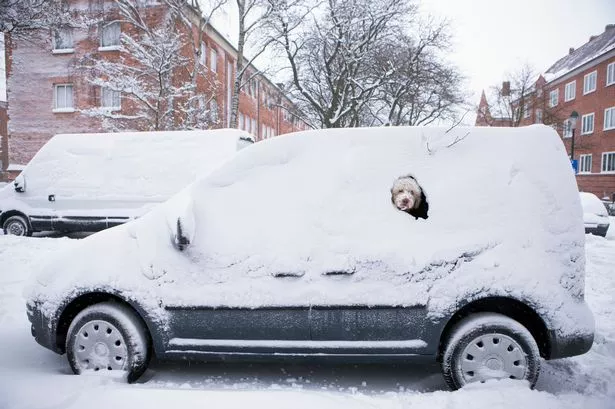
URGENT UPDATE: Drivers in the UK are now facing fines of up to £20,000 for leaving dogs in cold vehicles, as pet experts warn about the rapid temperature drops that can occur inside parked cars. With freezing temperatures gripping the nation, the danger of leaving dogs unattended in vehicles is more pressing than ever.
New reports confirm that many owners mistakenly believe winter poses less risk than summer. However, once the heater is off, the temperature inside a car can plummet in mere minutes, putting dogs at serious risk of dehydration and hypothermia. Chris Maxted, director of Dog-G8, emphasized that pet owners should be vigilant: “A parked car in winter can drop in temperature far faster than expected. Cold conditions can lead to serious health risks for dogs.”
According to the Animal Welfare Act, if a dog suffers or dies due to being left in freezing conditions, owners could not only face hefty fines but also imprisonment. Maxted urges caution, stating that if a dog must be left alone, it should only be for a couple of minutes when the outside temperature is just above freezing, ideally between 0°C and 15°C. Anything colder can quickly become dangerous.
“Older dogs can struggle with arthritis during colder spells,” Maxted noted, highlighting the need for special care during winter travel. He recommends warming up the vehicle before bringing pets inside to prevent sudden chills that can shock sensitive dogs.
As temperatures continue to drop across the UK, pet owners are urged to take immediate action. To ensure safety, Maxted suggests packing extra blankets for longer drives and avoiding direct heating onto pets, which can lead to overheating and dehydration.
This warning comes as authorities ramp up their efforts to protect animals during the cold months. The message is clear: the well-being of pets is at stake, and drivers must be proactive to avoid severe penalties and keep their furry friends safe.
Stay tuned for more updates as this story develops.