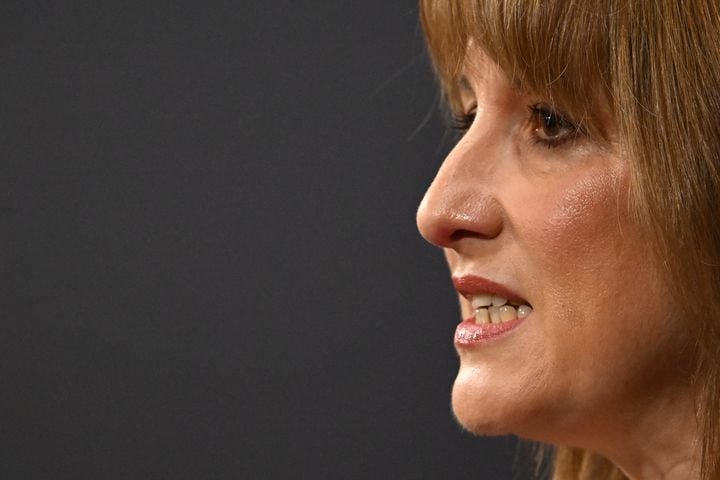
URGENT UPDATE: The UK government faces mounting pressure as new figures reveal public sector borrowing reached £17.4 billion last month, significantly impacting Chancellor Rachel Reeves just days before the crucial November 26 Budget announcement. This figure, while £1.8 billion lower than October 2022, marks the third-highest borrowing level for October since records began, according to the Office for National Statistics (ONS).
The unexpected surge in borrowing has raised alarms among economists and policymakers, casting doubt on the government’s fiscal strategy. With the Budget looming, the Chancellor must address these alarming figures to reassure markets and the public alike. The implications of this borrowing extend beyond numbers; they could affect public spending, investment, and ultimately, the daily lives of citizens across the UK.
The ONS report highlights the ongoing challenges faced by the UK economy, which is grappling with inflationary pressures and rising interest rates. As the government prepares for its Budget presentation, the need for a clear and effective fiscal plan is more critical than ever.
Experts are now eyeing how Chancellor Reeves will respond to these findings. Will she announce measures to rein in spending or implement new economic strategies to stabilize public finances? The anticipation is palpable.
As the November 26 Budget date approaches, all eyes will be on the Chancellor’s next moves. The government’s financial health is under scrutiny, and the repercussions of this borrowing will resonate throughout the economy.
Stay tuned for the latest updates as this story develops. The decisions made in the upcoming Budget could have lasting effects on the UK’s economic trajectory.