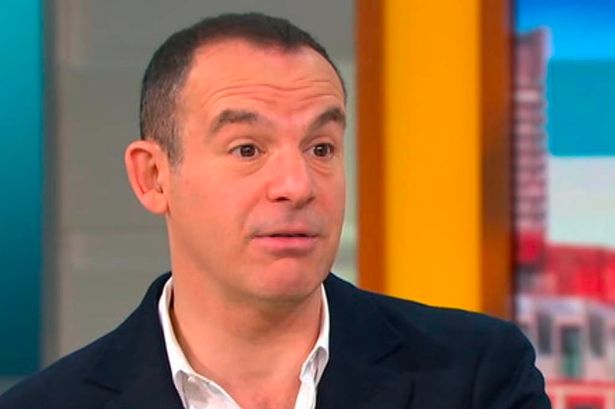
Money Saving Expert (MSE), founded by personal finance journalist Martin Lewis, has issued a timely recommendation for households looking to reduce their energy expenses. The advice centers on a simple yet effective practice: checking radiator settings before the start of the workday. By ensuring that radiators in unoccupied rooms are turned down, individuals may save a significant amount on their heating bills.
MSE emphasizes that turning down radiator dials by one or two notches can lead to substantial savings. According to Smart Energy GB, households could potentially save around £40 annually by adjusting radiator valves in rooms that are not in use. This advice is particularly relevant for those who work outside the home, enabling them to prepare their living spaces before the 9:00 AM start time typical for many in the UK. Even for remote workers, this practice remains beneficial.
While MSE advocates for this energy-saving tactic, they also caution that lowering temperatures in certain rooms could trigger issues such as increased condensation, which may lead to mould growth. Additionally, appliances like fridges and freezers may not operate efficiently if room temperatures drop below 10°C.
Understanding Thermostatic Radiator Valves
The article further explains the function of thermostatic radiator valves (TRVs) in managing room temperatures. TRVs allow homeowners to adjust heating on a room-by-room basis, reducing energy waste. When a room exceeds the temperature set on its valve, the flow of hot water to that radiator diminishes, enabling the boiler to focus energy on warmer areas. This fine-tuning can contribute to the previously mentioned potential savings of £40 annually.
While the upfront cost for purchasing and installing TRVs is approximately £10 each, the long-term savings could justify the investment. MSE notes that many TRVs come with frost prevention settings, ensuring that a small amount of hot water continues to circulate even when the radiator is turned down. This feature helps to prevent pipes from freezing in colder weather.
Dispelling Myths About Radiator Colour
In addition to heating tips, MSE also addressed a common myth regarding radiator colour and heat retention. Some homeowners consider painting radiators black to enhance heat absorption. However, MSE asserts that this practice is ineffective and advise against it, citing the Energy Saving Trust that describes the notion as a myth.
The organisation concludes that investing time and resources into painting radiators is not a worthwhile endeavour. Instead, the focus should remain on practical measures that can genuinely contribute to energy savings in the home.
By implementing these straightforward strategies, households can take meaningful steps towards reducing their energy costs while maintaining comfort during the colder months.