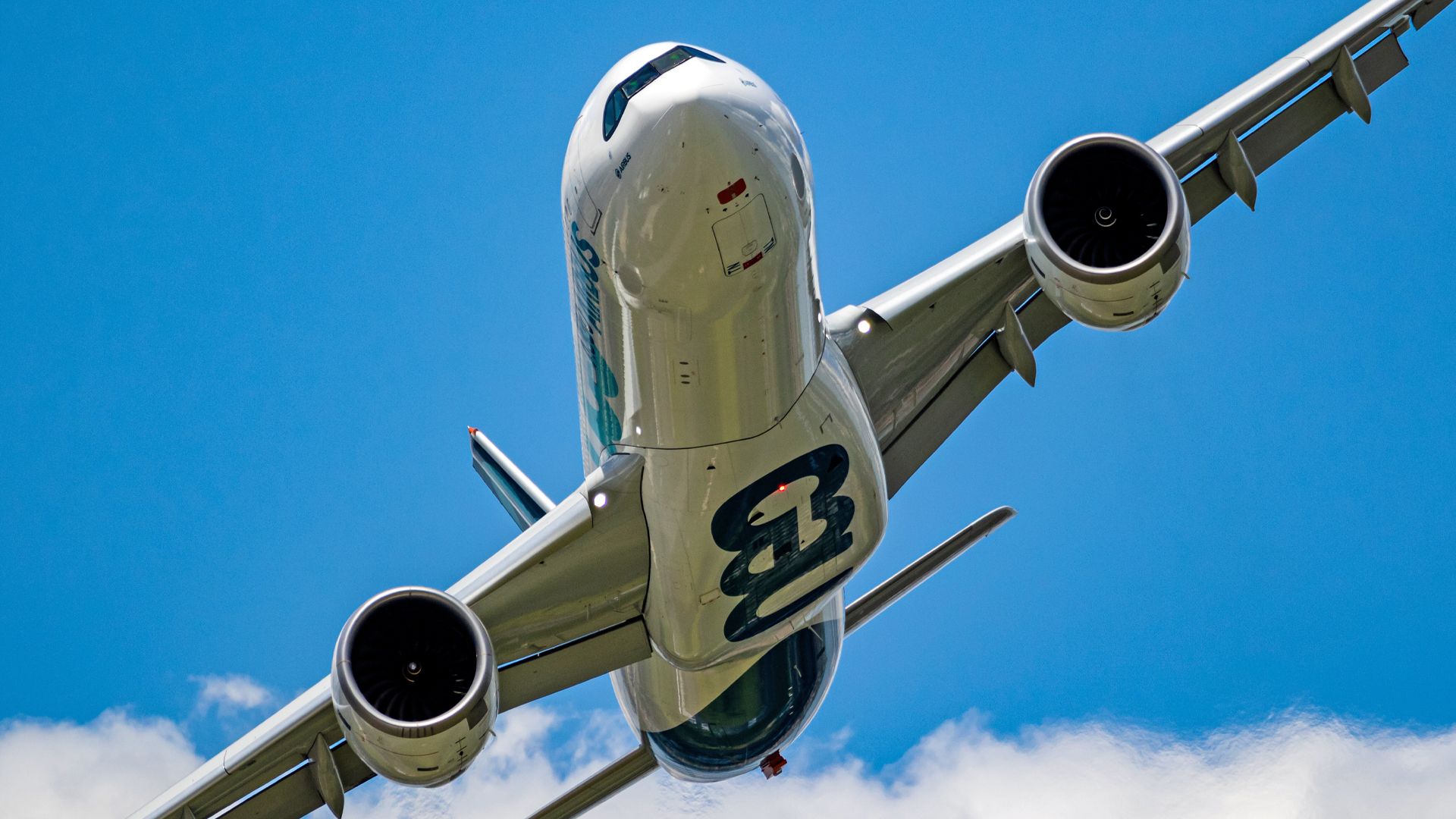
UPDATE: Airbus confirms that the A330neo will continue to be powered exclusively by the Rolls-Royce Trent 7000 engine, a strategic decision that enhances the aircraft’s performance and market appeal. This announcement comes amid growing interest in the A330neo, as it accumulates over 450 confirmed orders since its launch in 2018.
The partnership between Airbus and Rolls-Royce aims to deliver unmatched efficiency and reliability in the competitive aviation market, particularly against rivals like the Boeing 787 Dreamliner. The Trent 7000 engine provides an impressive 11% improvement in specific fuel consumption compared to its predecessor, making the A330neo a more attractive option for airlines looking to optimize operational costs.
Airbus’s choice to utilize a single engine type simplifies maintenance and operational logistics for airlines, allowing for a more streamlined experience. The A330neo’s performance characteristics are meticulously designed to align with the Trent 7000’s capabilities, ensuring the aircraft can handle various routes and payloads effectively.
This decision is proving to be beneficial, as airlines increasingly appreciate the A330neo’s flexibility, allowing it to adapt to different missions ranging from short regional flights to long-haul journeys of up to 17 hours. The aircraft’s ability to operate without payload restrictions, thanks to a higher maximum take-off weight, positions it as a highly versatile asset.
As of October 2025, the A330neo has received strong acclaim from operators for its excellent performance and reliability, boasting a remarkable 99.5% operational reliability just two years after entering service. This reliability is echoed in the Trent 7000 engine, which has achieved a staggering 99.9% dispatch reliability as of March 2024.
Airbus recently showcased the A330neo at the 2025 Dubai Airshow, where Etihad Airways announced a significant order for 15 Airbus A330neos. This order reinforces the aircraft’s strong market position and demonstrates ongoing demand amid a recovering aviation industry.
Airbus plans to continue investing in the A330neo program, with enhancements such as a higher maximum take-off weight variant expected in 2026 and new interior features slated for 2027-2028. The company has no intentions of reducing A330neo production, instead responding to increased demand and a growing backlog of orders.
The A330neo stands as a testament to modern aviation engineering, integrating advanced technologies from the A350 program while ensuring a quick transition for pilots and maintenance crews. This alignment helps airlines maximize operational efficiency and adapt to changing market conditions.
With its ongoing success, the A330neo is paving the way for future collaborations between Airbus and Rolls-Royce, including the development of the Rolls-Royce Ultra Fan demonstrator engine, aimed at achieving a 25% fuel efficiency reduction compared to earlier models. This initiative is part of a broader push toward sustainable aviation and net-zero emissions by 2050.
Airlines looking for a cost-effective, reliable, and adaptable widebody aircraft are increasingly turning to the A330neo. As the aviation industry continues to recover, this aircraft is set to play a pivotal role in meeting the demands of modern air travel, making it a compelling choice for operators worldwide.