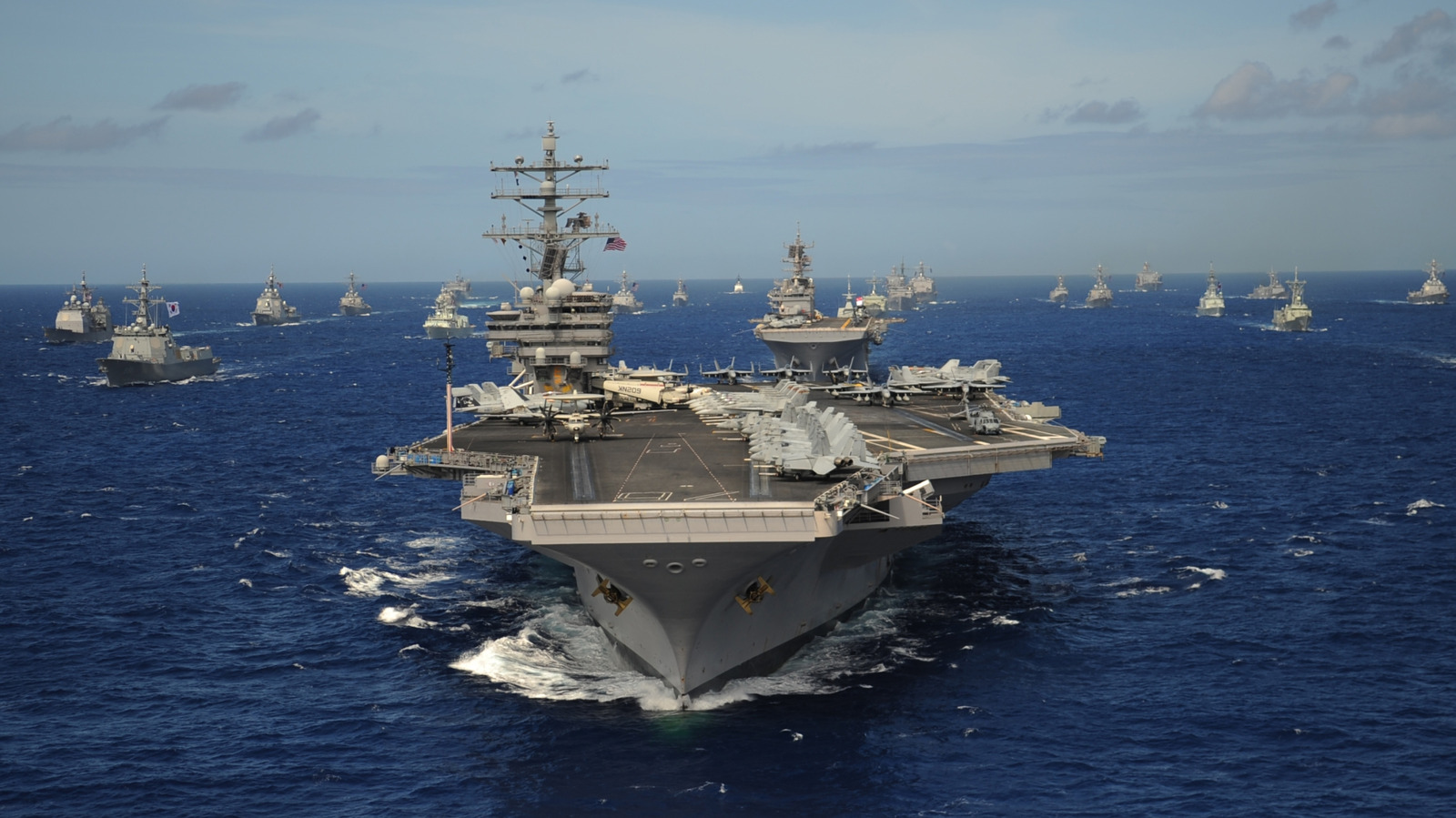
UPDATE: The U.S. Navy has just announced the five most complex military vessels in its fleet for 2025, showcasing an unprecedented level of technological sophistication. These advanced ships are crucial for maintaining military dominance amid evolving global threats.
The Navy’s latest fleet includes cutting-edge destroyers, aircraft carriers, amphibious assault ships, littoral combat ships, and submarines, all designed to push the boundaries of naval engineering. Each vessel is not only unique but also reflects the urgent need for advanced capabilities in modern warfare.
WHY THIS MATTERS: As global tensions rise, the U.S. Navy’s ability to operate these complex systems is vital for national security. The advanced technologies incorporated into these vessels are essential for effective deterrence and operational success.
Among the most notable is the USS Gerald R. Ford, which represents a significant leap in aircraft carrier technology. This ship features the Electromagnetic Aircraft Launch System (EMALS), capable of launching aircraft every 45 seconds. However, this state-of-the-art system has faced challenges, including delays in the Advanced Weapons Elevators and issues with the sewage system.
Additionally, the America-class amphibious assault ships have been designed to maximize aircraft operations by eliminating the traditional well deck, allowing for increased hangar space. Both the America and Wasp-class ships are equipped to launch specialized landing craft, enhancing their operational flexibility.
The Littoral Combat Ships—specifically the Independence and Freedom variants—are engineered for versatility, enabling rapid adaptation to various mission profiles, including anti-mine and surface warfare. With speeds exceeding 40 knots, these vessels are designed for quick responses in contested coastal environments.
Submarines remain a critical component of naval strategy, with the older Ohio-class submarines still leading the charge as the primary nuclear deterrent. These vessels can carry up to 24 Trident II D-5 missiles and are supported by a single nuclear reactor, showcasing their long-standing reliability and effectiveness.
Lastly, the controversial Zumwalt class destroyers highlight the challenges of innovation in military design. Originally intended to introduce stealth capabilities to naval warfare, the program faced significant cost overruns and ultimately resulted in only three ships being completed, raising questions about the feasibility of complex naval projects.
With the U.S. Navy’s commitment to advanced military technology, these vessels not only serve as symbols of power but also reflect the ongoing evolution of naval warfare. As nations around the world continue to invest in military capabilities, the implications of these developments will resonate globally.
WHAT’S NEXT: Stay tuned for updates on the operational status and deployment of these complex vessels as the U.S. Navy adapts to an ever-changing security landscape. The advancements in naval technology will certainly spark discussions on military strategy and international relations.