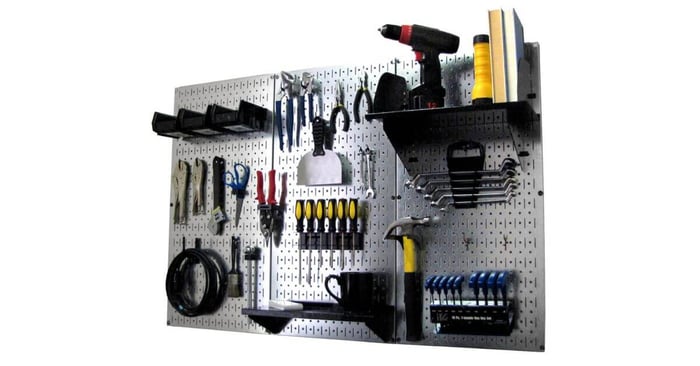
UPDATE: Peg boards are transforming laboratory efficiency, becoming essential tools for modern research facilities worldwide. As labs grapple with heightened demands for precision and safety, these versatile storage solutions are proving critical for maintaining organized and efficient workspaces.
Recent reports highlight that cluttered laboratory environments can lead to significant productivity losses and safety hazards. With the increasing complexity of tasks in fields like microbiology and chemistry, the need for streamlined organization has never been more urgent. Peg boards offer an adaptable system that maximizes space and enhances visibility of crucial tools and supplies.
Why It Matters NOW: With the ongoing push for improved safety and efficiency in laboratory settings, labs utilizing peg boards are seeing immediate benefits. By reducing clutter and improving accessibility, teams can focus more on critical research tasks rather than wasting time searching for misplaced equipment.
Key Details: Peg boards allow labs to reclaim valuable space by providing vertical storage solutions. Essential items can be hung on hooks or holders, freeing up countertops and shelves. This not only creates a cleaner workspace but also minimizes the risk of accidents associated with cluttered environments.
Laboratories are increasingly recognizing the importance of standard operating procedures (SOPs) and consistent workflows. Peg boards support these SOPs by designating specific areas for tools and materials, reducing human error and ensuring compliance with internal and external regulations.
Safety remains paramount in lab environments. Peg boards help mitigate risks by keeping equipment off surfaces and ensuring that items are stored securely. For instance, hanging glassware on drying pegs allows for proper drainage, significantly reducing the likelihood of breakage and contamination.
Customization is Key: One of the standout features of peg boards is their adaptability. They can be tailored with various hook types, trays, and shelves to meet the specific demands of each lab. This flexibility is crucial as procedures evolve or new equipment is introduced, allowing labs to adjust layouts quickly without costly renovations.
The impact on workflow efficiency is profound. Researchers can spend less time searching for tools and more time on experiments. Peg boards facilitate logical storage zones, minimizing distractions during critical procedures. This streamlined approach enhances overall productivity and supports better inventory management.
Laboratory managers can visually monitor supplies, ensuring essential equipment is always on hand. Empty hooks signal when items need restocking, reducing the risk of running out of critical materials. This proactive management promotes operational efficiency and saves costs by preventing redundant purchases.
In sterile environments, peg boards help maintain cleanliness and prevent cross-contamination. Items hung on peg boards are less prone to contact with contaminated surfaces, supporting rigorous hygiene standards. Additionally, open airflow allows for quicker drying of glassware, essential for preventing bacterial growth.
Professional Appearance Matters: A well-organized lab not only functions effectively but also presents a professional image. Peg boards contribute to a clean layout, reflecting a lab’s commitment to quality and efficiency, which is vital during inspections or audits.
Lastly, peg boards provide a cost-effective organizational solution. With minimal installation required and their modular design, labs can expand or reconfigure storage affordably. Their durability ensures long-term use with low maintenance costs, making them accessible for facilities of all sizes.
In conclusion, peg boards are not just a trend; they are a vital organizational tool reshaping laboratory environments. Their ability to enhance efficiency, safety, and compliance makes them indispensable in today’s research landscape. As laboratories continue to evolve, peg boards are set to play a key role in driving productivity and operational excellence.