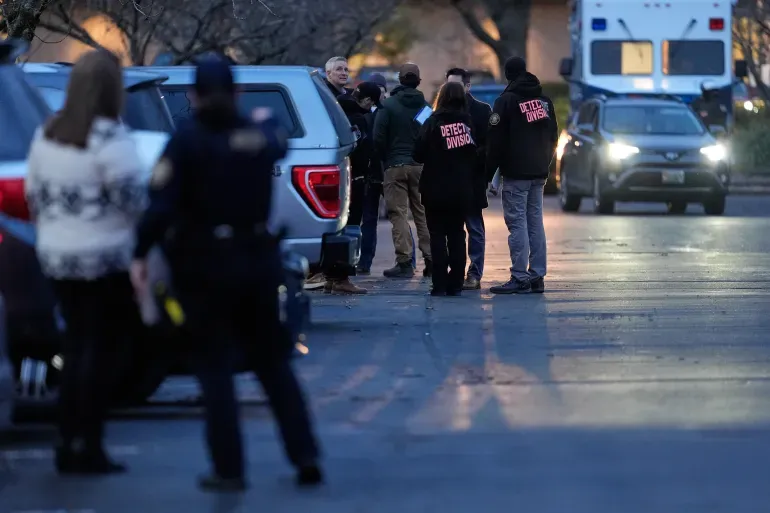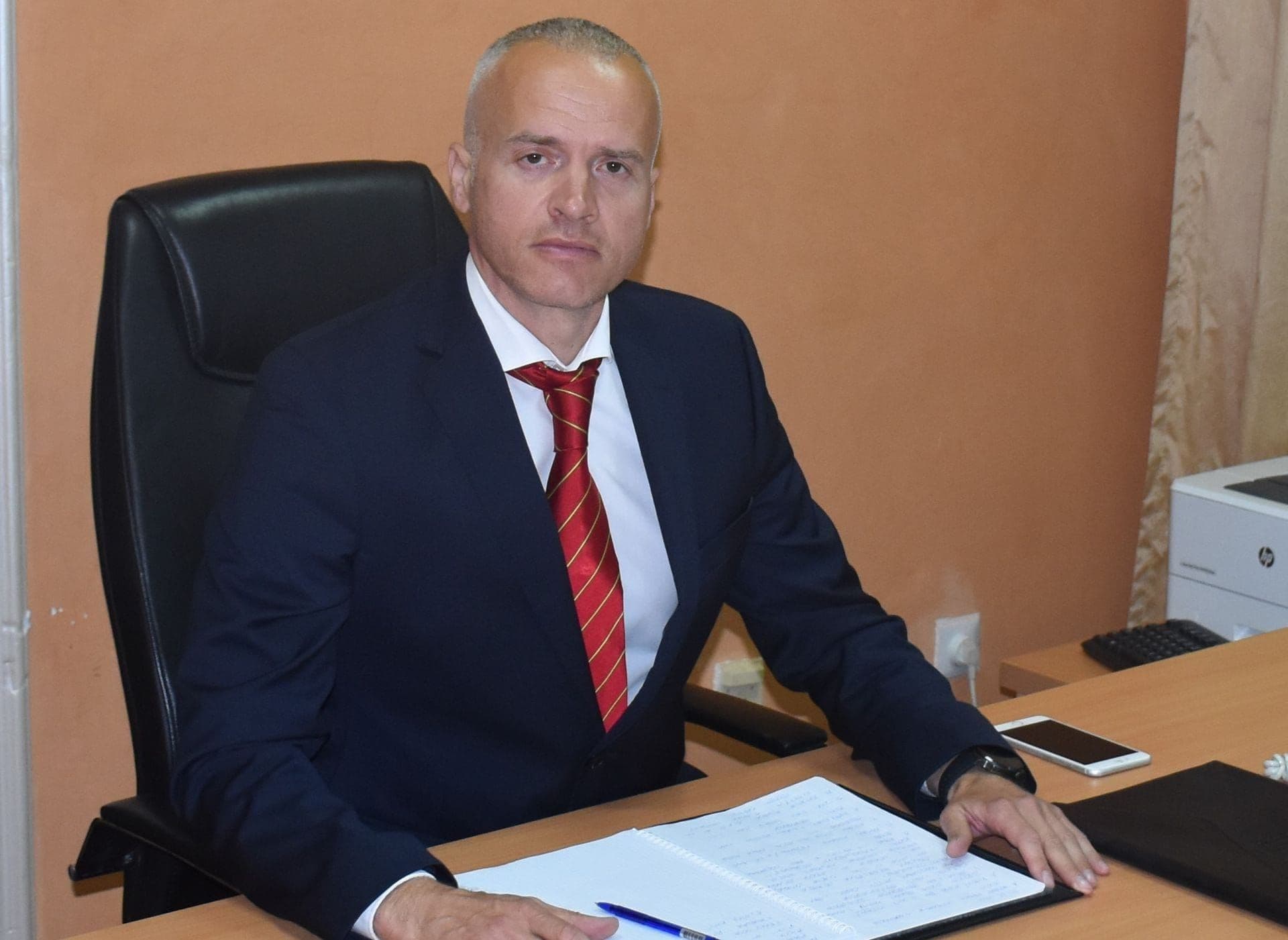
Dalibor Šaban, the former chief of police in Cetinje, provided critical testimony regarding the police’s handling of Vuk Borilović, who has been implicated in the deadly Medovina massacre. During a court hearing on October 25, 2023, Šaban confirmed that a criminal complaint had been filed against Borilović for violent behavior prior to the incident that resulted in the deaths of ten individuals, including two boys, Marko and Mašan Martinović.
Šaban disclosed that he had communicated with the Ministry of Interior (MUP) in Cetinje regarding Borilović’s situation. He stated that the MUP was informed of the complaint, along with a recommendation for action in accordance with the Law on Weapons. He noted that while it was not legally mandatory to notify the MUP, it was a common practice among police officers.
The former police chief emphasized the importance of this notification. “Because Borilović possessed a firearm legally but had a criminal complaint filed against him for violent behavior, this warranted the initiation of administrative procedures for the temporary or permanent confiscation of his weapon,” Šaban explained.
He also clarified that any confiscation of legally held firearms would be unlawful unless the weapon was used in a criminal act. In Borilović’s case, the firearm should have been subject to administrative review, which was not pursued adequately prior to the Medovina massacre.
Šaban faced inquiries from the prosecution regarding the appropriateness of granting a firearm permit to someone with a history of violent behavior. He acknowledged that such a decision would indicate negligence on the part of the MUP in addressing the negative assessment provided by the police.
In July 2021, Borilović reportedly engaged in violent acts, including throwing stones at a neighbor’s house and damaging a vehicle with a metal rod. Although the police filed a criminal complaint against him for these actions, Šaban could not confirm whether a search of Borilović’s residence had been conducted to locate any firearms at that time.
When asked about the legality of police procedures regarding the lack of official records provided to Krivokapić, Šaban stated that the existence of a criminal complaint was sufficient for initiating further actions. He maintained that the complaint contained substantial evidence and, as the prosecutor would lead the investigation, it held more weight than any subjective police record.
Krivokapić, the former head of the MUP branch in Cetinje, questioned why no charges were made against her for failing to act on the notification about Borilović. In response, Šaban indicated that police lacked operational data to support any allegations of inaction regarding the notification.
Reflecting on the events leading to the Medovina tragedy, Šaban admitted that he did not recall specific details of Borilović’s prior violent conduct until after the massacre occurred. He stated, “After the incident, I reviewed the case to see what had been done. It is difficult for me to remember the frequency of such cases in Cetinje, but it can be verified through records of criminal activities.”
Testifying on the lack of response from police officers stationed near the Cetinje Monastery during the massacre, Šaban stated he could not clarify who instructed them not to intervene. “If that is the case, I condemn it, but I cannot comment further as these matters are still under investigation.”
This testimony sheds light on the systemic issues within the Cetinje police force leading up to the tragic events in Medovina, raising serious questions about the adequacy of response protocols and the oversight of individuals with documented histories of violence.