UPDATE: New reports reveal shocking details about several high-profile UK attractions that never opened, wasting millions and leaving a significant impact on local communities. From theme parks to iconic bridges, these ambitious projects fell through, costing taxpayers and investors dearly.
The most notable failure is the WonderWorld theme park in Corby, Northants. Originally envisioned in the 1980s with a budget of £346 million, it aimed to transform an abandoned quarry into a “British Disneyland.” The project promised to create thousands of jobs and attract 4 million visitors annually, featuring attractions designed by notable figures like David Bellamy and Sir Patrick Moore. However, after years of planning delays and rising costs, all that remains is a sign and a wooden cabin. The site is now a residential area, erasing the dream of a major tourist destination.
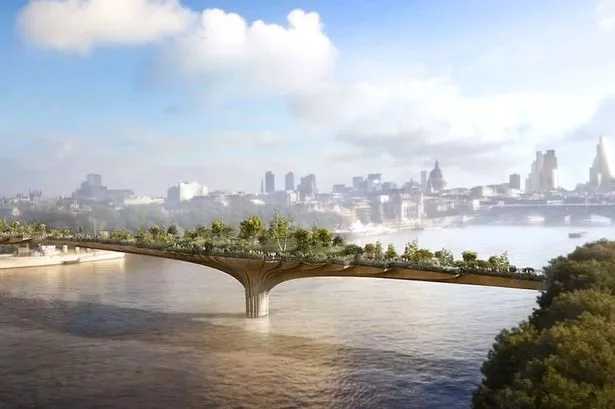
Another high-profile disaster is the Garden Bridge in London, which cost taxpayers £53.5 million before it was officially canceled on August 14, 2017. The bridge was proposed as a green space for pedestrians but faced intense criticism and financial scrutiny. An inquiry by Transport for London revealed that a staggering £43 million of the costs came from public funds, including £21.4 million in construction expenses and £1.7 million in executive salaries. Despite the initial excitement, the project was ultimately deemed unviable.
In an even earlier proposal, Sir Frederick William Trench suggested a giant pyramid in Trafalgar Square back in 1812. Designed to commemorate military victories, the 300ft pyramid would have dramatically changed London’s skyline. Despite an ambitious plan to use discharged soldiers for construction, only a scale model was made, leaving the iconic square as we know it today.
More recently, the London Paramount Entertainment Resort, announced in 2012, promised to be a massive theme park in Swanscombe, Kent. Dubbed the “Dartford Disneyland,” it was slated to include Europe’s largest indoor water park and multiple themed attractions. However, the project faced numerous legal and environmental hurdles, including being designated a Site of Special Scientific Interest (SSSI). In January 2025, the High Court ordered the company behind the resort to wind up, effectively killing the £2.5 billion dream.
These abandoned projects serve as a stark reminder of the risks involved in large-scale development and the potential economic impact on local communities. The failure of these attractions not only resulted in significant financial losses but also dashed the hopes of many who envisioned vibrant tourist hotspots.
As these stories unfold, they highlight the need for careful planning and community engagement in future projects to avoid repeating the same mistakes. Residents and officials alike are left wondering what could have been, as millions of pounds were spent with nothing to show for it.
Stay tuned for further updates on this developing story as we explore the wider implications of these failed attractions on the UK’s tourism industry and local economies.