
As the United Kingdom grapples with prolonged freezing conditions and soaring energy prices, households are looking for effective strategies to reduce heating costs. Experts are emphasizing draught-proofing as a top method for improving warmth and decreasing energy consumption throughout the home.
Research indicates that gaps around doors, windows, and floors can lead to a significant loss of heat, accounting for between 10% and 20% of a household’s warmth. The Energy Saving Trust estimates that implementing draught-proofing measures can save households approximately £85 annually.
Christine Matthews, a heating appliance expert, has highlighted draught-proofing as the “first and most cost-effective line of defence” against heat loss. Traditional draught excluders are known for their effectiveness in preventing cold air from outside from entering living spaces. Simple solutions like sealing leaks with silicone strips and using weather strips around doors and windows can also enhance insulation.
The Towel Trick: An Innovative Solution
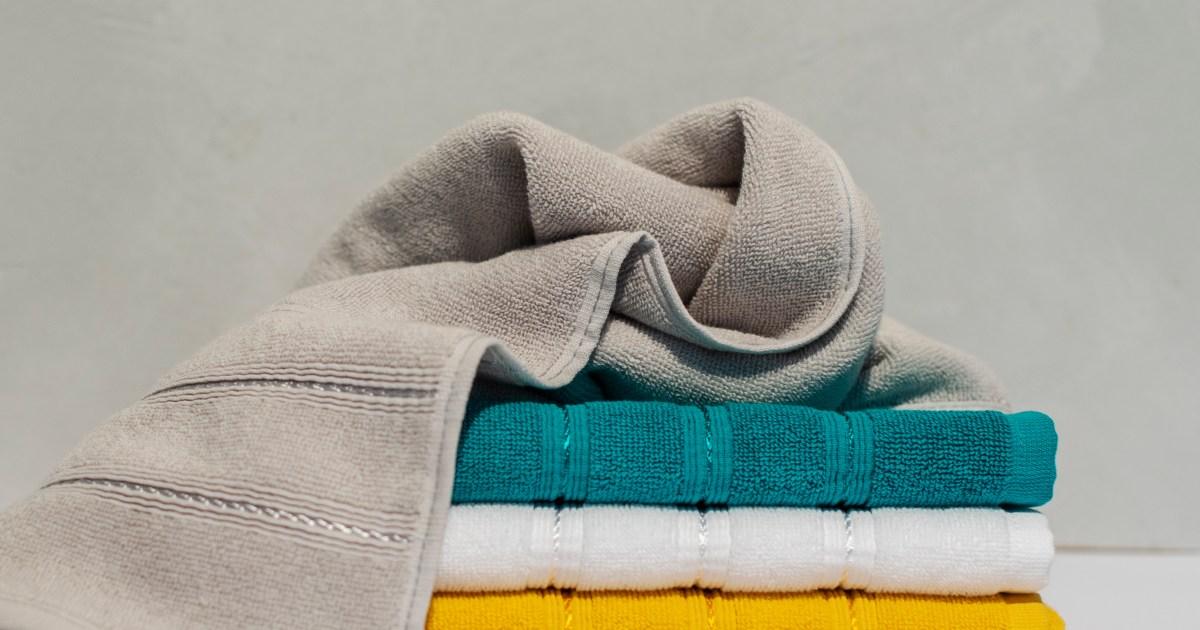
Recently, experts have proposed a surprisingly simple yet effective solution: using a rolled-up towel. This method is touted as one of the easiest and most affordable ways to block drafts. By rolling up towels or even old clothes and placing them against the bottom of doors or windows, households can effectively seal any gaps. Elastic bands can be used to secure the rolled towels in place, ensuring that they stay put.
This technique has gained recognition for its efficiency. Last year, the consumer advocacy group Which? identified it as the best draught excluder in their tests, outperforming several store-bought alternatives by blocking even the strongest drafts.
According to Checkatrade, professional draught-proofing can cost around £50 per window and £100 per door, with retrofitting an entire house typically costing about £180. These costs may seem high, but the long-term savings on energy bills can make draught-proofing a worthwhile investment.
Environmental Benefits of Draught-Proofing
Beyond immediate financial advantages, draught-proofing also contributes to broader environmental goals. The National Audit Office reported that heating the UK’s 28 million homes was responsible for 18% of all greenhouse gas emissions in 2021, the most recent year for which data is available. Reducing heat loss enables households to lower their thermostat settings, which in turn decreases both energy bills and carbon footprints.
With energy prices remaining elevated and colder weather persisting, taking basic steps such as installing draught excluders, applying silicone strips, and using rolled towels can significantly improve home warmth while reducing expenses.
As households continue to face challenging conditions, these straightforward methods offer practical solutions for managing heating costs effectively.


