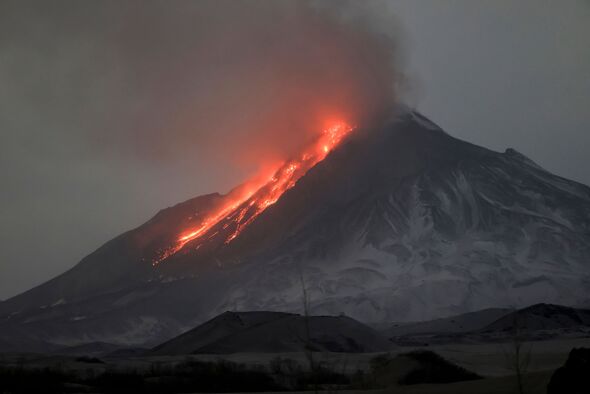
A significant eruption at the Bezymyanny Volcano in the Kamchatka Peninsula of Russia has sent a towering column of ash over three miles into the atmosphere. This volcanic activity began early on March 14, 2024, creating substantial concern among local authorities and residents.
Local media outlets reported that the ash plume reached heights of approximately 5,000 meters (over 16,400 feet). The eruption is part of a series of geological events typical for the region, which is known for its active volcanoes. The Kamchatka Peninsula is home to over 30 active volcanoes and is recognized as a UNESCO World Heritage Site due to its unique geological features.
Impact on Surrounding Areas
While the eruption has not yet caused any immediate threats to populated areas, authorities have advised residents to stay indoors and wear masks to protect against potential ash fallout. The Russian Academy of Sciences has also issued warnings regarding air travel disruptions, as volcanic ash can pose serious hazards to aircraft.
In a statement, a representative from the local emergency services said, “We are monitoring the situation closely. Our primary concern is the safety of the residents and the impact on air travel.” The agency has activated emergency response protocols to ensure the safety of those living in proximity to the volcano.
Volcanic eruptions can trigger a range of environmental challenges, including air quality issues and the potential for landslides due to the ash deposits. Experts are currently analyzing the eruption’s intensity and trajectory to provide accurate forecasts and updates.
Historical Context of Bezymyanny Volcano
The Bezymyanny Volcano has a history of eruptions, with the most notable one occurring in 1955, which was significant enough to alter the surrounding landscape. Since then, it has erupted sporadically, contributing to the dynamic geological activity of the region.
As the situation develops, scientists and local authorities will continue to monitor the volcano’s activity closely. They are prepared to provide updates as more information becomes available and will assess whether further action is necessary to protect the local population.
Residents and visitors in the area are urged to remain informed about the latest developments and adhere to safety recommendations from local officials. The situation underscores the power of nature and the importance of preparedness in regions prone to volcanic activity.