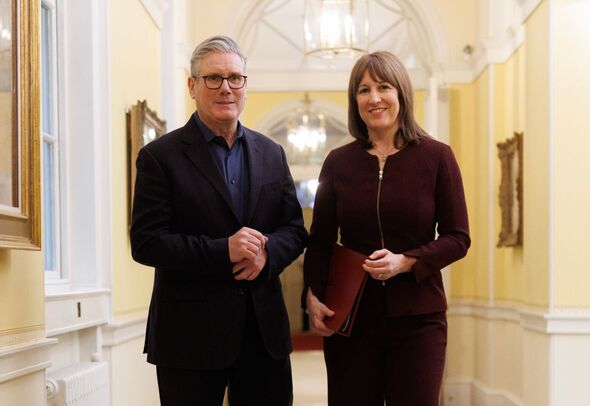
Rachel Reeves, the Chancellor of the Exchequer, faces significant political pressure as she prepares to announce critical fiscal measures in the upcoming Budget on March 5, 2025. According to reports, proposed changes could lead to a two-year freeze on tax thresholds, a move that might ultimately disadvantage pensioners by as much as £800 annually. This measure risks pulling an additional half a million older individuals into the income tax bracket, intensifying dissatisfaction among the electorate.
The potential tax adjustments would challenge Labour’s manifesto commitment, which pledges not to raise taxes for working individuals. Critics, including Conservative Party leader Kemi Badenoch, have condemned the implications of these proposals. Badenoch stated, “Last year, Rachel Reeves broke her pre-election promise and snatched away the winter fuel allowance, leaving millions of vulnerable pensioners facing an uncertain winter.” She further warned that the current plan could mark the first time the state pension is subjected to income tax, directly impacting the savings of pensioners.
A petition with nearly 200,000 signatures urges Reeves to reconsider these proposed changes, reflecting public sentiment. One of the petition supporters, Colette Rogers, a 75-year-old widow, highlights the distress caused by her combined pension exceeding the tax threshold for the first time. “Why should the state pension, which has been paid for through a lifetime of National Insurance contributions, be taxed again?” asked Dennis Reed, director of the Silver Voices campaign group for seniors.
The ramifications of these tax changes could see approximately 9.3 million pensioners, more than three-quarters of the older population, facing taxation, a stark increase from the current 8.7 million. Former pensions minister Baroness Ros Altmann cautioned against any surprise tax implications for older citizens, noting that hidden reductions in income could lead to severe hardship for many. She suggested the Chancellor should consider revising proposals that would impose inheritance tax on unused pension funds, which could further complicate financial matters for bereaved families.
As Labour grapples with these challenges, Reeves and party leader Sir Keir Starmer have consistently emphasized their commitment not to raise taxes for working people during their campaign. Yet, the Chancellor is faced with the daunting task of addressing a projected £25 billion deficit, prompting speculation about alternative revenue sources ranging from minor taxes on gambling to larger proposals like a mansion tax, which could yield around £400 million.
Despite the backlash, Reeves aims to deliver a Budget that prioritizes “fair and necessary choices.” Planned initiatives include measures to alleviate NHS waiting lists, reduce public debt, and address the rising cost of living. Furthermore, she has committed to freezing rail fares for the first time in three decades, increasing the National Minimum Wage, and investing in essential infrastructure projects.
Reeves has stated, “I will take action to help families with the cost of living, cut hospital waiting lists, and push ahead with the biggest drive for growth in a generation.” This ambitious agenda seeks to foster a fair, strong, and secure future for Britain.
As the announcement approaches, the political ramifications of Reeves’ decisions are expected to reverberate through the electorate, with many watching closely to see how these fiscal strategies will impact the nation’s most vulnerable citizens.