
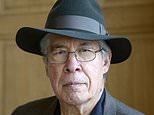
Acclaimed author Thomas King, known for his exploration of Indigenous themes, has revealed he does not possess any Native American heritage. This revelation surfaced after he consulted with a genealogist from the Tribal Alliance Against Frauds, an organization dedicated to uncovering false claims of Indigenous ancestry. The disclosure has left King in a state of shock, as he has identified as part-Cherokee throughout his 40-year writing career.
Genealogical Findings Spark Shock
During a video call earlier this month, King learned from the genealogist that extensive research into his family history found no evidence of Cherokee lineage. “It’s been a couple of weeks since that video call, and I’m still reeling,” King stated in an article for The Globe and Mail. “At 82, I feel as though I’ve been ripped in half, a one-legged man in a two-legged story. Not the Indian I had in mind. Not an Indian at all.”
King’s journey began when he sought to clarify rumors about his ancestry that had circulated for years. He had always believed his mother’s assertion that his biological father had Cherokee roots. After reaching out to the Tribal Alliance in October, he hoped to validate his family’s claims. The genealogist, along with a professor of Indigenous studies, meticulously traced his family tree, but ultimately found no connection to the Cherokee.
Impact on Career and Identity
King’s father left the family when he was just three years old, which complicated his understanding of his heritage. In his search for answers, he had previously spoken with an aunt on his father’s side who also claimed Cherokee ancestry, leading him to believe that his familial narrative was credible. Despite his extensive body of work—more than 20 books addressing Native American experiences—King now grapples with the implications of his newfound reality.
“As you might expect, I didn’t want to believe her. I was sure she had made an error in her research,” he wrote. “But it became clear that the one piece missing was any connection to the Cherokee.”
King has received significant recognition for his contributions to literature, including being named Companion of the Order of Canada in 2020. His work has been praised for presenting the “hard truths” of Indigenous injustices and reshaping perceptions of Canadian history. However, he now faces difficult questions about whether he unwittingly benefited from his claimed heritage and how this may have impacted opportunities for other Indigenous authors.
While King refrained from issuing an apology—suggesting that doing so would imply he had knowingly misrepresented himself—he acknowledged that Indigenous communities might choose to distance themselves from him in light of this revelation. His experience reflects a growing scrutiny concerning claims of Indigenous heritage among public figures, including accusations against others like Canadian singer Buffy Sainte-Marie and University of California professor Andrea Smith.
As discussions about identity and representation continue, King’s revelation serves as a reminder of the complexities surrounding heritage and the responsibilities of those who engage with Indigenous narratives. The impact of this incident on his career and personal identity remains to be seen, but it has undoubtedly sparked a broader conversation about authenticity within the literary community.


