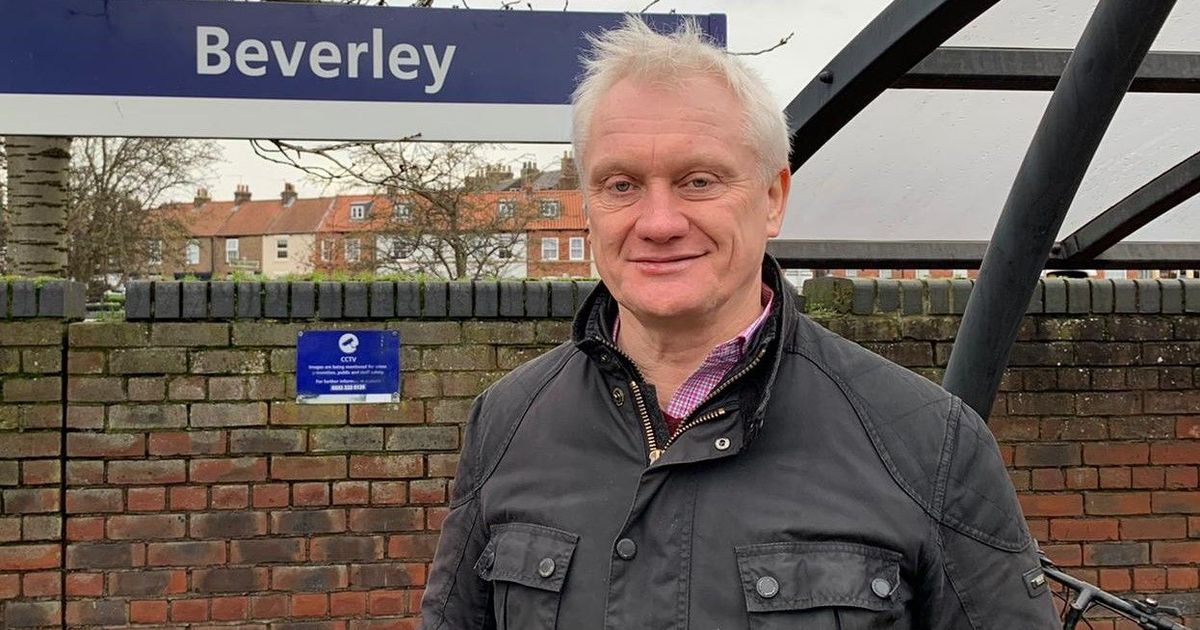
URGENT UPDATE: Following the announcement of the Labour Party’s second Budget, MP Graham Stuart has sharply criticized Chancellor Rachel Reeves, claiming the new measures will make it “harder to work, save and succeed” for ordinary Britons. Just revealed on November 1, 2023, the Budget includes several tax increases aimed at addressing a substantial black hole in public finances while attempting to alleviate the rising cost of living.
Reeves opted against an income tax rise but introduced a suite of smaller taxes, including a new pay-per-mile tax on electric vehicles, increased taxation on online betting, and a controversial “mansion tax” on homes valued over £2 million. While the Chancellor insists these measures maintain minimal tax burdens on working people, critics, including Stuart, argue this represents a breach of Labour’s promise not to impose higher taxes on workers.
In a scathing statement, Stuart emphasized, “The Chancellor shows she has learned nothing from last year’s Budget of Broken Promises, which resulted in fewer jobs and lower growth.” He highlighted that under Labour’s leadership, the country has seen an increase of 280,000 unemployed individuals and the closure of over 200,000 businesses.
Stuart’s comments reflect widespread concern over the impact of Labour’s fiscal strategy on the economy. He stated, “Today’s changes will do more of the same. Conservatives back hard work; Labour punishes it.” This sentiment resonates with many who feel the new policies could exacerbate existing financial struggles.
Reeves has set ambitious goals, including reducing living costs, decreasing NHS waiting lists, and tackling national debt. However, critics claim her approach lacks practicality. “A government can only support those who need it if it encourages work, not welfare dependency,” Stuart noted, further asserting that Labour’s tax policies hinder business growth and job creation.
As the political landscape shifts, the implications of this Budget on local economies and individual livelihoods become increasingly significant. The impact of the new tax regulations is expected to be felt across the country, raising questions about the future of employment and business in regions like Hull.
Looking ahead, stakeholders are urged to monitor the effects of these changes closely. With further reactions from local MPs and constituents anticipated, the debate over Labour’s fiscal policies is far from over. As Stuart concluded, “Labour has chosen welfare over work, and everyone who strives to be better will pay the price.”
For continuous updates on this developing story, stay tuned and engage with our coverage on the latest news impacting Hull and East Yorkshire.