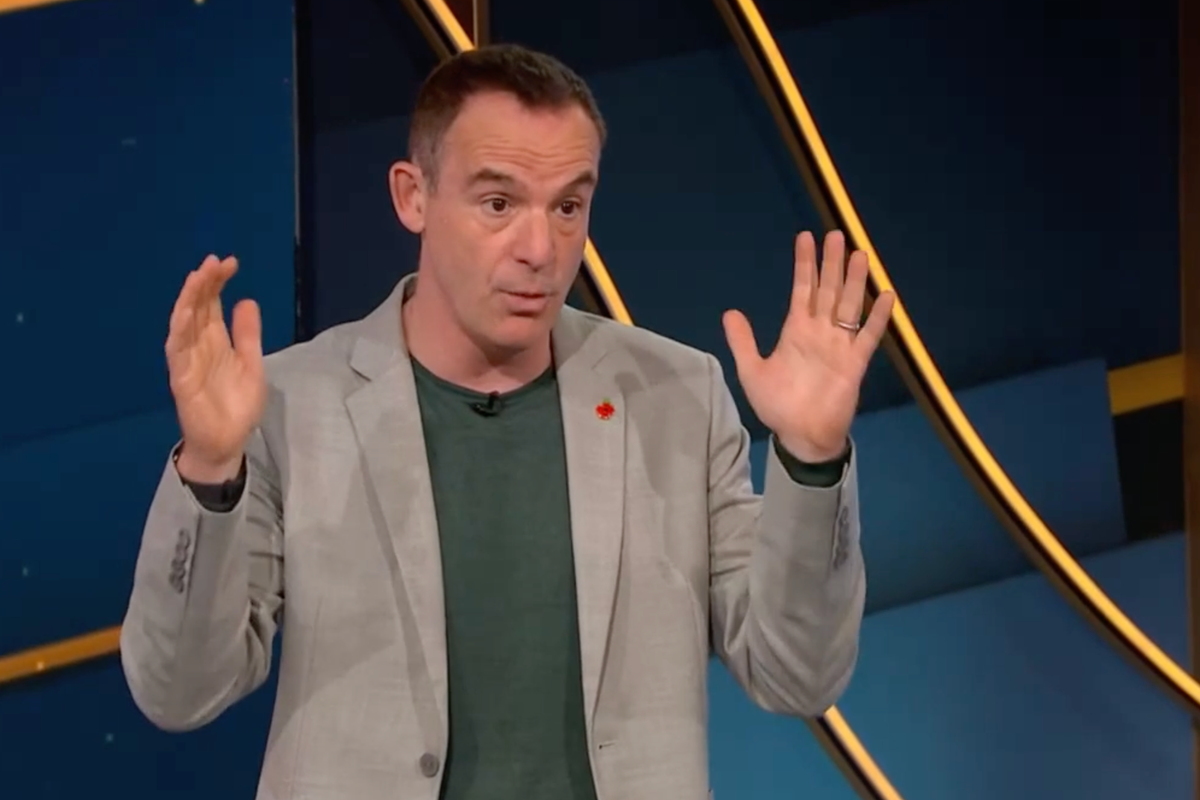
Martin Lewis, founder of Money Saving Expert, has provided critical insights into the recent budget announcement made by Rachel Reeves, the Chancellor of the Exchequer. During her Autumn budget reveal, Reeves outlined a series of policy changes aimed at addressing a significant gap in the country’s public finances, amounting to £26 billion. Lewis described the decision to freeze income tax thresholds starting in 2028/29 as a “stealth tax” that would ultimately leave many earners financially worse off.
The Chancellor’s strategy includes freezing tax thresholds, a measure intended to help mitigate a £20 billion deficit. This freeze is projected to generate an additional £8 billion in revenue by the fiscal year 2029-30, which could push approximately one in four workers into the highest income tax bracket. Additionally, around 780,000 individuals will be liable for income tax for the first time due to these changes.
Lewis explained on the BBC’s Martin Lewis Podcast that freezing tax thresholds effectively means that individuals will pay a higher percentage of their income in taxes over time. “You will be worse off,” he stated. “Freezing tax thresholds means that in real terms, people are actually paying a higher proportion of their income as tax. You’re still taking home more money as you have an income rise. But the spending power of the money you’re taking home can be reduced because of stealth taxes.”
Despite his critical stance on the tax freeze, Lewis acknowledged some positive outcomes from his discussions with Treasury officials before the budget announcement. He expressed satisfaction with the government’s decision to revise energy levies, which is expected to lower household energy bills by an average of £150. He noted that the government plans to transfer some costs associated with energy policy into general taxation, thereby reducing the unit rate of electricity by approximately 3.4p and gas by 0.3p per kWh.
“The big question is ‘will this apply to fixes?’” Lewis queried, indicating that he had been informed that the government intends for energy companies to pass these savings directly to consumers. The success of this initiative will depend on how effectively companies implement the changes.
In another aspect of the budget, the Chancellor announced a reduction in the cash ISA limit, which will fall from £20,000 to £12,000 for individuals under 65. Lewis remarked that while the cut was not as severe as it could have been, he preferred a more encouraging approach to savings. He stated, “The £12,000 per year is still reasonable for many people, and the aim was not to raise revenue but to encourage young people to invest rather than save.”
He commended the government for its decision to exempt individuals over 65 from the ISA limit reduction, emphasizing the importance of investment education and access to guidance for younger generations. “What needs to happen along with this is better investment education, easier access to guidance, and better investment incentives for young people,” he added.
In a notable incident, Lewis criticized the Office for Budget Responsibility (OBR) for inadvertently releasing its economic forecast prior to the budget presentation. He described this as a significant oversight, stating, “This looks like staggering fat fingers from the OBR publishing budget outcome before the budget; the government will be fuming.”
As the implications of Reeves’s budget unfold, it remains to be seen how these changes will affect consumers and the broader economy in the coming years.