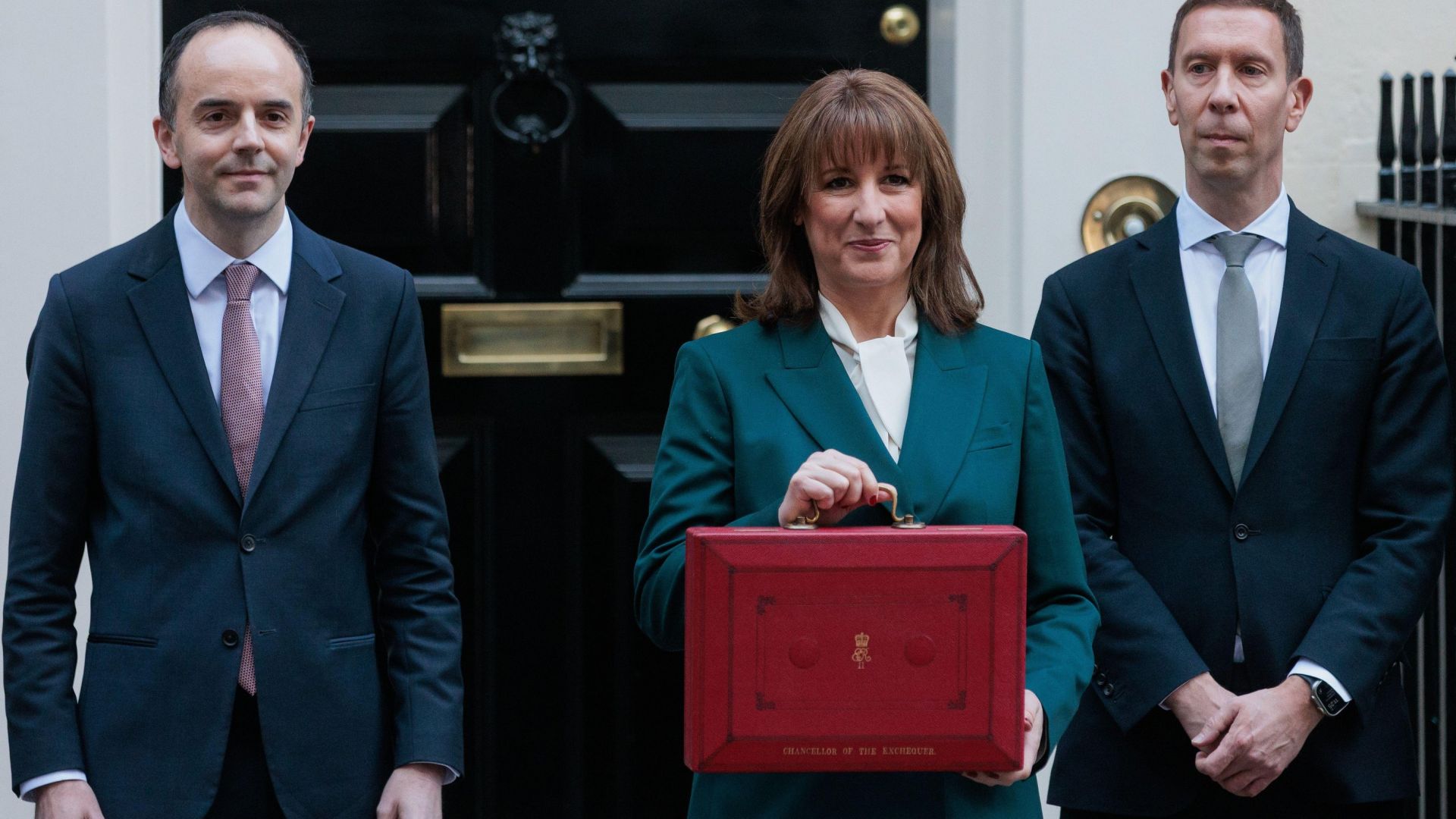
The British public is expressing frustration over recent statements made by Chancellor Rachel Reeves regarding the country’s fiscal health. This backlash follows revelations that her claims about a significant financial deficit were misleading. In her address earlier this month, Reeves warned of challenging budget decisions, a narrative now under scrutiny as new information from the Office for Budget Responsibility (OBR) contradicts her assertions.
On October 31, 2023, the OBR reportedly informed the Treasury that the UK was not facing the anticipated deficit. In fact, the Treasury was in a fiscal surplus of £4.2 billion. Critics argue that Reeves’s decision to frame the financial situation as dire was a strategic move to justify potential tax increases, which would appease her party’s backbenchers.
The situation escalated when a spokesperson from Downing Street claimed that Reeves had not misled the public. The spokesperson characterized her November 4 speech, which cautioned against forthcoming “tough decisions,” as fair and reasonable. This defense has drawn skepticism, with many viewing it as an attempt to downplay the gravity of the Chancellor’s misrepresentation.
Political analysts suggest that Reeves’s narrative may have been influenced by a desire to maintain a perception of crisis, allowing her to later pivot away from proposed tax hikes without losing favor among constituents. The approach has raised ethical concerns, as voters expect transparency and honesty from their leaders.
Public sentiment is shifting, and many are voicing their discontent. Voters feel that they have been treated as uninformed, leading to calls for Reeves to clarify her statements and the rationale behind her budgetary decisions. Misleading the public, especially regarding financial matters, is seen as crossing a serious line.
The Chancellor’s credibility is now at stake, and she faces mounting pressure to address the discrepancies in her statements and restore public trust. As the situation develops, the implications of this controversy might influence the government’s broader fiscal strategy and the political landscape leading up to future elections.