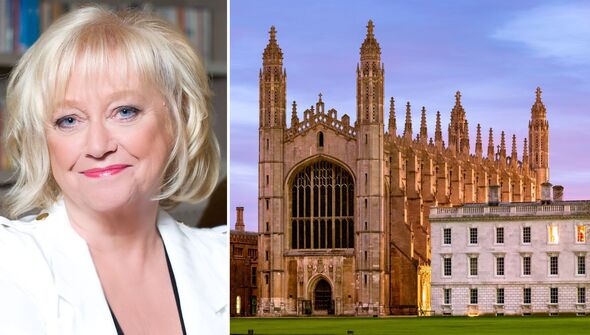
Recent research from Cambridge University has introduced a framework for understanding brain development and aging, but not everyone is convinced by its findings. The study, which analyzed brain scans from nearly 4,000 individuals aged between birth and 90, claims to have identified five distinct stages of aging, marked by four significant transition points: childhood, adolescence, adulthood, and late aging.
While the findings might appear comprehensive, the rigid age definitions for each stage have raised eyebrows. For example, the study suggests that individuals transition from childhood to adolescence at age nine, and remain in that stage until age 32. Critics question whether it is accurate to label someone as an adolescent until their early thirties. The research indicates that cognitive deterioration begins at 66 and accelerates significantly after age 83.
Such a formulaic approach to aging contradicts personal observations from many, including those with decades of life experience. As noted by a reflective observer, people age both mentally and physically at vastly different rates. Some individuals maintain youthful characteristics well into their later years, while others may display signs of maturity much earlier.
The Cambridge researchers based their conclusions on tangible physical changes in the brain observed through scans. Yet, the validity of such sweeping generalizations is challenged by extraordinary cases documented in medical literature. A notable example is the case published in The Lancet in 2007, detailing a 44-year-old French man who led a normal life despite having an unusually significant absence of brain matter.
During routine medical examinations, doctors were astonished to find that the majority of the space typically occupied by brain tissue was filled with cerebrospinal fluid. Remarkably, this individual managed to maintain a family, a job, and an IQ of 84, which is slightly below the average range. Medical experts remain perplexed by his ability to lead a seemingly unremarkable yet functional life despite such a striking anatomical anomaly.
This case has prompted skepticism regarding the conclusions drawn from the Cambridge study. While the researchers provide a structured approach to understanding aging, the complexities of human growth and decline cannot be easily categorized into rigid age brackets.
In light of this, the findings from Cambridge may not fully capture the nuances of cognitive and emotional development throughout the human lifespan. Personal and anecdotal evidence suggests that aging is a deeply individual experience, shaped by a myriad of factors beyond the scope of a single study. As the dialogue around brain health continues, it remains essential to consider both scientific findings and the rich tapestry of human experiences that challenge conventional wisdom.