
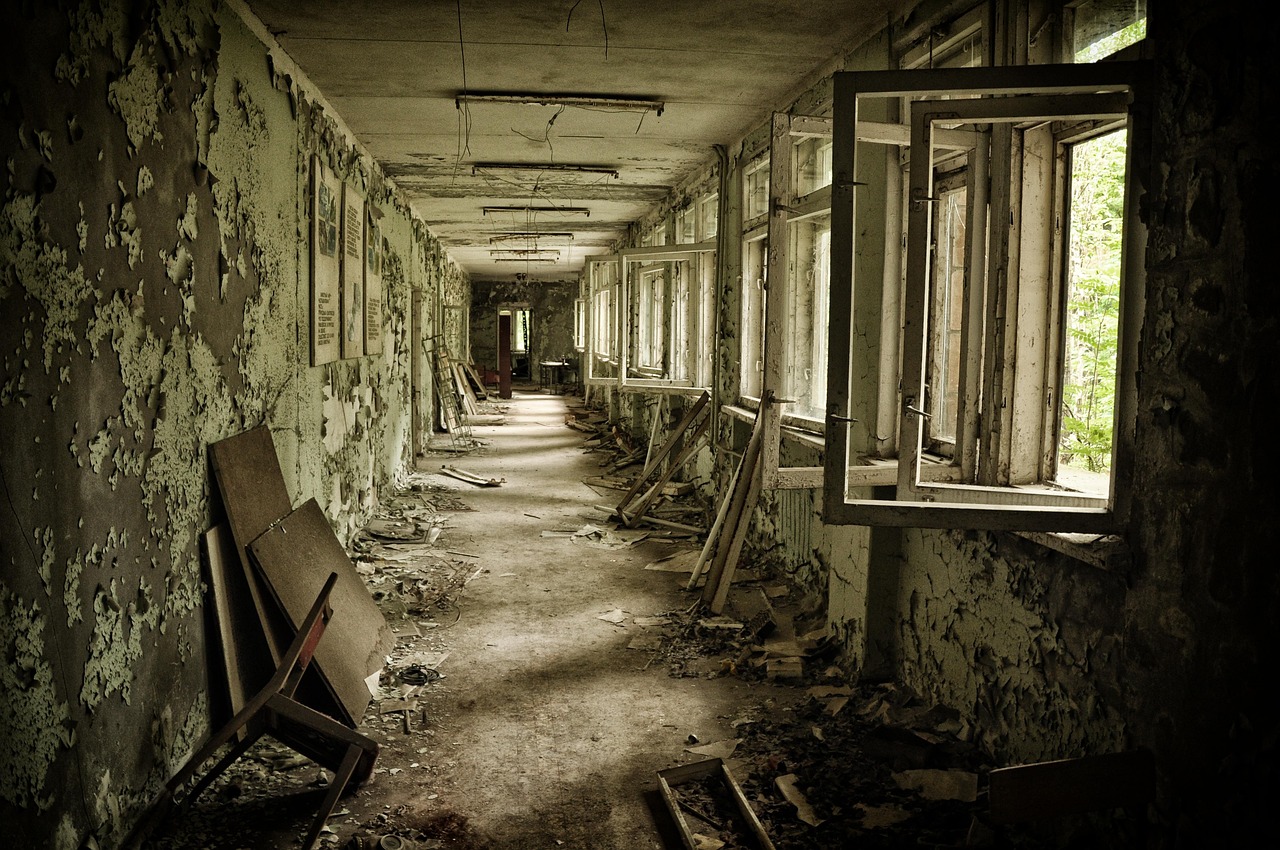
A species of fungus discovered in the Chernobyl Exclusion Zone is capturing the attention of space scientists who are exploring its potential to shield astronauts from cosmic radiation. Known as Cladosporium sphaerospermum, this unique fungus has shown a surprising ability to thrive in one of the most radioactive environments on Earth. Researchers are investigating whether its resilience could be harnessed for future space missions.
The fungi were first identified in the aftermath of the 1986 reactor explosion, where they clung to surfaces near the destroyed reactor. These melanised organisms exhibit a remarkable trait: they appear to feed on gamma radiation. Their cell walls contain melanin, a pigment that absorbs and dissipates ionising radiation. Laboratory studies suggest that melanin can help protect fungal cells by neutralising free radicals generated during radiation exposure.
Initial experiments, including a trial aboard the International Space Station (ISS) in 2022, demonstrated that the fungus can endure elevated radiation levels. Although the results confirmed its durability, the concept of using such fungi as effective radiation shields remains in the early research phase.
In the years following the Chernobyl disaster, biologists observed that the black fungi often grew towards sources of gamma radiation, a phenomenon known as radiotropism. This led to investigations into whether these organisms were not merely surviving radiation but actively utilising it. Subsequent tests exposed these melanised fungi to radiation levels hundreds of times higher than normal background levels. The results showed that these strains consistently outperformed non-melanised varieties, leading to the hypothesis of a process termed radiosynthesis. This suggests that the fungi may convert radiation energy into usable chemical energy, akin to how plants use sunlight in photosynthesis.
Interest in practical applications of C. sphaerospermum surged when the fungus was cultivated aboard the ISS. Over a 30-day period, researchers found that the fungal layer reduced detected radiation by approximately two percent compared to a control group. While this effect is limited, it indicates that melanised fungi could play a role in a broader strategy for radiation shielding in space.
Some projections suggest that a layer of the fungus approximately 21 centimetres thick could significantly reduce radiation exposure on the Martian surface. Yet, significant challenges remain. Developing a biological layer that provides meaningful protection would require considerable volume and maintaining fungal growth in microgravity presents unique engineering obstacles.
Researchers highlight that melanin offers only partial shielding compared to conventional materials like metals. Therefore, fungi may complement but not replace traditional radiation shielding methods. Advocates for bio-hybrid space systems propose that integrating fungal shielding with traditional materials or Martian regolith could reduce payload mass and potentially provide self-repairing capabilities, contributing to more sustainable habitat construction.
The exploration of the Chernobyl fungus is part of a broader movement in space science aimed at utilising biological processes to address engineering challenges. While the fungi are far from a ready-to-use solution, their unique ability to thrive in high radiation environments continues to capture the interest of scientists. As research advances, C. sphaerospermum may offer valuable insights into protecting astronauts as humanity ventures deeper into space.


