UPDATE: A shocking incident in Washington, DC, has left thousands of Afghans grappling with uncertainty. Rahmanullah Lakanwal, an Afghan national and former CIA operative, has been arrested after allegedly shooting two National Guard members, resulting in one fatality. This incident has ignited intense discussions about the treatment and perception of Afghan refugees in the United States.
Lakanwal, who arrived in the US in 2021 through the Operation Allies Welcome program, was a pivotal member of the CIA’s Zero Unit during the Afghanistan conflict. His asylum was granted just this past April. However, the transition to life in America proved challenging. Lakanwal faced culture shock, isolation, and the pressure of starting anew after serving in a prestigious role back home. Shawn VanDiver, founder of the advocacy group #AfghanEvac, emphasizes the need to separate Lakanwal’s actions from the broader Afghan community: “This is not indicative of a larger problem with Afghans,” he stated.
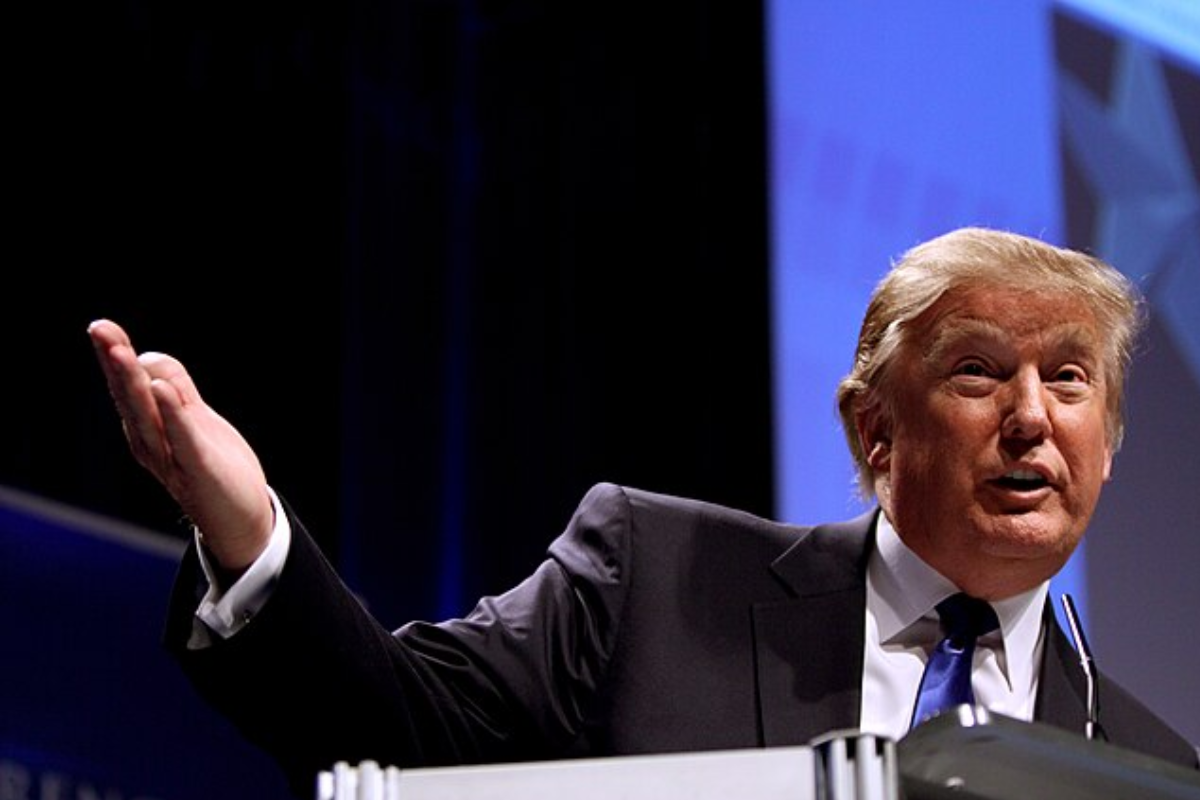
In a swift response to the shooting, former President Donald Trump declared that immigrants who do not “love our country” will face stricter scrutiny. He called for a thorough review of all Afghan refugees admitted under President Biden’s administration. This statement has raised alarms among Afghan advocates, who argue that the incident should not be politicized.
Concerns are mounting as the Trump administration has already tightened immigration policies affecting Afghans. Recent reports indicate that tens of thousands of Afghan refugees could be at risk, with SIV processing significantly slowed. As of now, there are approximately 70,000 Afghans who have resettled in the US since the chaotic withdrawal in August 2021, while an additional 180,000 await processing under the SIV program.
Senators Mark Kelly and Chris Van Hollen have publicly criticized the government’s approach, arguing that targeting entire communities based on the actions of one individual is unjust. “There’s no evidence that there was something that escaped the vetting,” Van Hollen noted, pointing to the extensive background checks conducted on Afghan refugees.
Moreover, the situation has catalyzed fears within the Afghan community already facing legal challenges. Laila Ayub, an Afghan-American lawyer, highlighted the emotional toll: “They’ve been worried about gathering in the community and how they’re going to be impacted.” The backlash from the shooting may lead to increased surveillance and law enforcement activity targeting Afghans, which could further alienate and destabilize these communities.
As the discourse continues, organizations like Project ANAR are mobilizing to provide legal support and push back against what they see as collective punishment for the Afghan population. The legal status of over 11,000 Afghans remains precarious, as many face deportation or loss of Temporary Protected Status.
The emotional impact of this incident resonates deeply within the Afghan community, which has already endured significant trauma. Former Afghan diplomat Omar Samad stated, “We owe it to those who have lost their lives, whether American or Afghans,” urging for a broader understanding of the complexities involved in resettling Afghan allies.
The situation remains fluid, and advocates are calling for urgent action to protect Afghan refugees from further harm. As lawmakers debate the implications of this shooting, the future of thousands of Afghans in the US hangs in the balance.
Stay tuned for updates as this developing story unfolds.