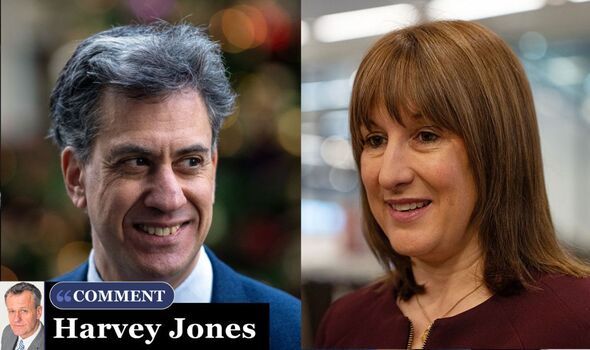
The recent Budget announcement has exposed deep divisions within the Labour Party, shifting media attention away from the controversial actions of Ed Miliband. Chancellor Rachel Reeves delivered the budget while grappling with internal dissent and a series of policy reversals that have put her leadership under scrutiny.
Reeves faced significant pressure from Labour’s rebellious backbenchers, who are emboldened after successfully blocking welfare reforms in her previous budget. The Chancellor has already made four major U-turns this year on key issues, including the winter fuel payment, welfare reform, income tax, and the two-child benefit cap. Tensions within the party became evident as two teams, one appointed by No 10 and the other by the Treasury, clashed during the budget preparations.
In a particularly vivid display of frustration, Torsten Bell, parliamentary secretary for the Treasury, reportedly delivered an expletive-laden tirade that left colleagues taken aback. The atmosphere within the Labour Party resembles a battleground, with prominent figures like Andy Burnham, Wes Streeting, and Angela Rayner vying for influence and potentially undermining the leadership of Keir Starmer.
While Labour grapples with its internal turmoil, the fallout from the Budget has shifted public focus away from Miliband’s controversial policies as energy secretary. Despite the uproar surrounding the budget, Miliband has continued to push his agenda for net-zero emissions, investing heavily in energy initiatives that critics argue lack clear purpose.
The government has pledged tens of billions into various energy projects, including carbon capture technology that has yet to prove effective. This spending spree has resulted in significant financial commitments, such as the £20 billion allocated for the Sizewell C nuclear plant. Critics assert that these investments could lead to rising energy costs for consumers, undermining Miliband’s promise to reduce household bills.
In a recent setback, oil giant BP cancelled plans for its H2Teeside hydrogen plant, which was intended to power approximately one million homes. The decision followed delays caused by a conflict between Miliband and Starmer, who is pushing for the establishment of Europe’s largest data centre. Industry insiders suggest that BP’s withdrawal reflects broader frustrations with the government’s management of the North Sea oil and gas sector.
As Miliband’s department faces increasing scrutiny, the media spotlight on the Budget has provided him with a temporary shield from criticism. While the Labour Party continues to engage in infighting, the consequences of Miliband’s policies will likely emerge as a pressing issue in the near future.
For now, the chaos within Labour offers Miliband a brief reprieve, allowing him to navigate his controversial initiatives without the glare of public scrutiny. Nevertheless, it is clear that the party’s internal strife and budgeting missteps could have lasting implications for its leadership and public perception. As the situation develops, the pressure on Miliband and his colleagues is bound to intensify.